
How Mold Inspection Helps Homes in Cocoa Beach During Rainy Season
Rainy season in Cocoa Beach is predictable. Afternoon storms roll in quickly, humidity stays high, and coastal air keeps everything slightly damp. While most homeowners focus on roof checks and hurricane prep, one issue often develops quietly inside the home — mold growth.
In Florida’s humid climate, mold does not require major flooding to develop. Repeated rain, high moisture levels, and small leaks can create ideal conditions behind walls, inside attics, and within HVAC systems. Mold inspection during rainy season helps homeowners catch problems early and prevent larger structural damage.
This guide explains how mold inspection works and why it is especially important for Cocoa Beach homes during extended rain periods.
Why Rainy Season Increases Mold Risk in Cocoa Beach
Cocoa Beach sits directly along the Atlantic coastline. During rainy season, the area experiences:
- Frequent afternoon thunderstorms
- Wind-driven rain
- Elevated humidity levels
- Slower drying conditions
- Storm-related roof stress
Even minor roof vulnerabilities allow water intrusion during heavy rain.
Homes in nearby Cape Canaveral, Satellite Beach, and Merritt Island experience similar coastal exposure.
Because humidity remains high between storms, moisture lingers longer inside building materials.
Common Rainy Season Moisture Sources
Several moisture pathways contribute to mold growth during rainy months.
Roof Leaks
Damaged shingles or flashing may allow water into attic spaces.
Window and Door Seals
Wind-driven rain can enter through weakened seals.
Slab Foundation Moisture
Saturated soil increases hydrostatic pressure beneath concrete slabs.
AC Condensation
High humidity increases condensation production inside HVAC systems.
Poor Ventilation
Trapped attic heat and moisture slow evaporation.
Identifying the source is essential before mold spreads.
Early Warning Signs You Should Not Ignore
During rainy season, subtle changes inside your home may signal hidden moisture.
Watch for:
- Musty odors after storms
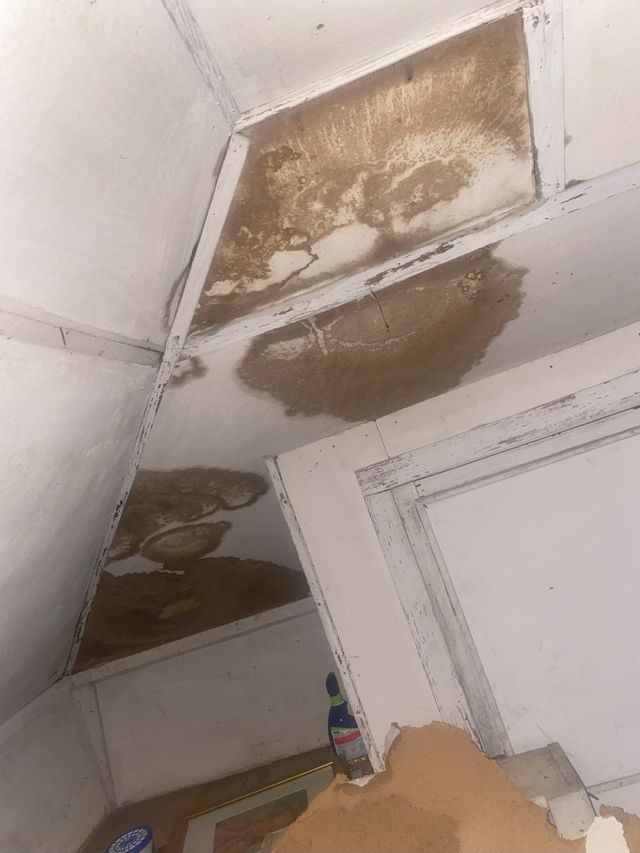
- Ceiling discoloration
- Warped baseboards
- Peeling paint
- Condensation around vents
- Increased indoor humidity
Even slight discoloration may indicate deeper moisture behind surfaces.
Prompt inspection prevents escalation.
What Mold Inspection Involves
Mold inspection is a structured process designed to locate moisture and assess contamination risk.
Visual Evaluation
Inspectors examine ceilings, baseboards, attic spaces, and mechanical rooms.
Moisture Detection
Moisture meters and thermal imaging tools identify hidden dampness in walls and ceilings.
Humidity Measurement
Indoor humidity levels are recorded to determine environmental conditions.
Attic Assessment
Roof decking and insulation are checked for rain intrusion.
Air Sampling (When Needed)
Air samples compare indoor and outdoor spore levels.
Palm Bay Mold Removal provides mold inspection services throughout Cocoa Beach, focusing on moisture detection specific to coastal rainy conditions.
The Importance of Attic Inspection
Attics are especially vulnerable during rainy season.
Heavy rain combined with coastal winds can force water under shingles. Because attic spaces are hot and poorly ventilated, moisture may remain trapped.
Inspection ensures:
- Roof decking is dry
- Insulation is not saturated
- Ductwork insulation remains intact
- No microbial growth is present
Attic issues often go unnoticed without professional evaluation.
HVAC Systems and Rainy Season Mold
During rainy months, air conditioning systems work harder to remove moisture from indoor air.
Common issues include:
- Clogged condensate lines
- Overflowing drain pans
- Duct sweating in hot attics
- Elevated indoor humidity
If condensation is not draining properly, mold may develop inside air handlers or ductwork.
Inspection ensures HVAC systems are not contributing to indoor contamination.
Slab Foundations and Ground Moisture
Many Cocoa Beach homes are built on slab foundations.
During extended rain, saturated soil increases moisture migration through concrete. This may affect:
- Flooring
- Baseboards
- Lower drywall
- Indoor humidity levels
Moisture detection confirms whether slab-related dampness is contributing to mold risk.
Preventing Mold During Rainy Season
Mold inspection is only part of prevention.
Homeowners can reduce risk by:
- Inspecting roofs annually
- Cleaning gutters regularly
- Sealing exterior cracks
- Monitoring indoor humidity
- Servicing HVAC systems
- Addressing minor leaks immediately
Homes in Rockledge and Palm Bay benefit from similar preventative measures during Florida’s rainy months.
Financial Benefits of Early Inspection
Ignoring small moisture problems often leads to:
- Mold remediation costs
- Drywall replacement
- Flooring damage
- Structural wood repair
- Insulation replacement
Early mold inspection helps avoid these larger expenses.
Preventative inspection typically costs far less than full remediation.
Why Local Coastal Experience Matters
Cocoa Beach’s proximity to the ocean creates specific environmental conditions:
- Salt air corrosion
- Wind-driven rain
- Elevated humidity
- Seasonal storm frequency
- Attic ventilation challenges
Local professionals understand where moisture typically accumulates in Brevard County coastal homes.
Palm Bay Mold Removal serves Cocoa Beach and surrounding communities with inspection strategies tailored to Florida’s climate.
Local knowledge improves detection accuracy and prevention planning.
A Practical Approach for Cocoa Beach Homeowners
Rainy season is predictable in Cocoa Beach. Mold growth does not have to be.
The most effective strategy includes:
- Monitoring humidity levels
- Investigating musty odors immediately
- Scheduling mold inspection after heavy storms
- Maintaining roofing and ventilation
- Correcting moisture sources promptly
In Florida’s humid coastal environment, moisture control is ongoing. Mold inspection during rainy season helps homeowners stay ahead of hidden water intrusion and protect the long-term integrity of their residential properties.