
Emergency Water Removal in Titusville in Humid Summers: Inspection and Repair Guide
Humid summers in Titusville bring more than heat. Afternoon thunderstorms, stalled rain systems, and constant moisture in the air create ideal conditions for water intrusion. When water enters a home during peak summer humidity, the situation escalates quickly.
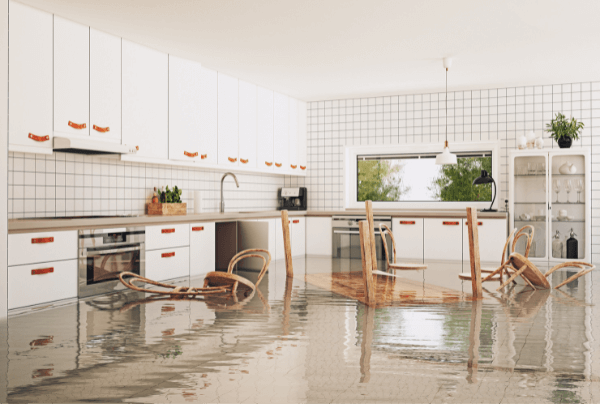
Emergency water removal is not simply about clearing visible puddles. In Florida’s climate, moisture spreads fast, lingers longer, and increases the risk of mold and structural damage within days. A structured inspection and repair approach protects homes from long-term complications.
This guide explains how emergency water removal works in Titusville and what homeowners should expect during humid summer conditions.
Why Humid Summers Increase Water Damage Risk
Titusville’s proximity to the Indian River Lagoon keeps humidity elevated throughout summer. Combine that with frequent heavy rain and warm temperatures, and you have ideal conditions for moisture-related damage.
Common summer water sources include:
- Intense afternoon storms
- Roof leaks during wind-driven rain
- Overflowing gutters
- AC condensate line clogs
- Slab foundation seepage
- Plumbing failures
Homes in nearby Mims, Port St. John, and Merritt Island experience similar seasonal patterns.
Because the air is already saturated with moisture, natural drying slows significantly.
Early Warning Signs You Should Not Ignore
Water intrusion is not always dramatic. Many issues begin subtly.
Watch for:
- Ceiling stains after storms
- Soft or bubbling drywall
- Warped baseboards
- Damp carpet or padding
- Musty odors
- High indoor humidity despite AC use
During humid summers, even small leaks can escalate quickly.
Immediate inspection prevents larger repair costs.
Step 1: Identify and Stop the Water Source
Before removal begins, the source must be identified.
Common sources in Titusville include:
- Damaged shingles or flashing
- Clogged AC drain lines
- Broken supply lines
- Foundation cracks
- Faulty window seals
Stopping the water intrusion prevents continued saturation.
Without correcting the source, restoration efforts will fail.
Step 2: Immediate Water Extraction
Rapid extraction is critical in humid conditions.
High-powered equipment:
- Removes standing water quickly
- Reduces absorption into materials
- Limits structural damage
- Shortens drying time
In humid summers, every hour matters. Delayed extraction increases mold risk significantly.
Palm Bay Mold Removal provides emergency water extraction services throughout Titusville during peak summer months.
Step 3: Moisture Detection and Inspection
Visible water is only part of the problem.
Moisture detection tools identify dampness in:
- Wall cavities
- Under tile flooring
- Attic insulation
- Subflooring
- HVAC systems
Thermal imaging and moisture meters ensure hidden areas are not overlooked.
Humid air slows evaporation, allowing damp materials to remain saturated longer.
Step 4: Removal of Saturated Materials
Some materials cannot be salvaged if heavily soaked.
These may include:
- Drywall
- Carpet padding
- Insulation
- Baseboards
Removing severely saturated materials prevents mold colonization.
Salt-laden coastal air can also accelerate material breakdown.
Step 5: Structural Drying and Dehumidification
Drying is the most critical step during humid summers.
Commercial air movers and dehumidifiers:
- Lower indoor humidity
- Accelerate evaporation
- Stabilize moisture levels
- Protect structural framing
Moisture levels are monitored daily to confirm safe drying thresholds.
Without proper dehumidification, water damage lingers.
Step 6: HVAC Inspection
Summer humidity places additional strain on HVAC systems.
Common post-flood issues include:
- Clogged condensate lines
- Mold inside air handlers
- Wet duct insulation
- Increased humidity circulation
Inspection ensures the HVAC system does not spread moisture or contaminants throughout the home.
Mold Prevention in Humid Summers
Titusville’s warm climate allows mold to begin forming within 24 to 48 hours.
Emergency water removal reduces mold risk by:
- Removing moisture quickly
- Lowering humidity
- Identifying hidden dampness
- Correcting ventilation issues
If water exposure lasted longer than a day, mold inspection may be recommended as a precaution.
Repair and Restoration
After drying is complete, repairs begin.
Restoration may include:
- Replacing drywall
- Installing new insulation
- Repairing flooring
- Repainting
- Sealing exterior entry points
Reconstruction should only occur after moisture levels are verified safe.
Rebuilding too soon traps dampness behind new materials.
Preventing Future Summer Water Damage
Titusville homeowners can reduce risk by:
- Inspecting roofs annually
- Cleaning gutters before storm season
- Flushing AC drain lines regularly
- Sealing exterior cracks
- Monitoring indoor humidity
- Improving attic ventilation
Homes in Rockledge, Viera, and Palm Bay benefit from similar preventative maintenance.
Proactive steps reduce emergency situations later.
Why Local Experience Matters
Titusville’s humid summers create moisture patterns different from inland regions.
Local professionals understand:
- Seasonal rainfall intensity
- Slab foundation moisture behavior
- Attic heat and humidity buildup
- AC condensation trends
- Drainage challenges in Brevard County neighborhoods
Palm Bay Mold Removal serves Titusville and surrounding communities with restoration strategies tailored to Florida’s humid coastal climate.
Local knowledge improves both inspection accuracy and long-term prevention planning.
A Practical Inspection and Repair Strategy
Emergency water removal in humid summers requires speed and structure.
The essential process includes:
- Identify and stop the water source
- Immediate water extraction
- Comprehensive moisture detection
- Removal of unsalvageable materials
- Controlled drying and dehumidification
- HVAC inspection
- Verified repairs
In Titusville’s summer climate, moisture control is not optional. Acting quickly protects structural integrity, prevents mold growth, and reduces long-term repair costs.
With proper inspection and repair, homes can recover fully — even during Florida’s most humid months.