
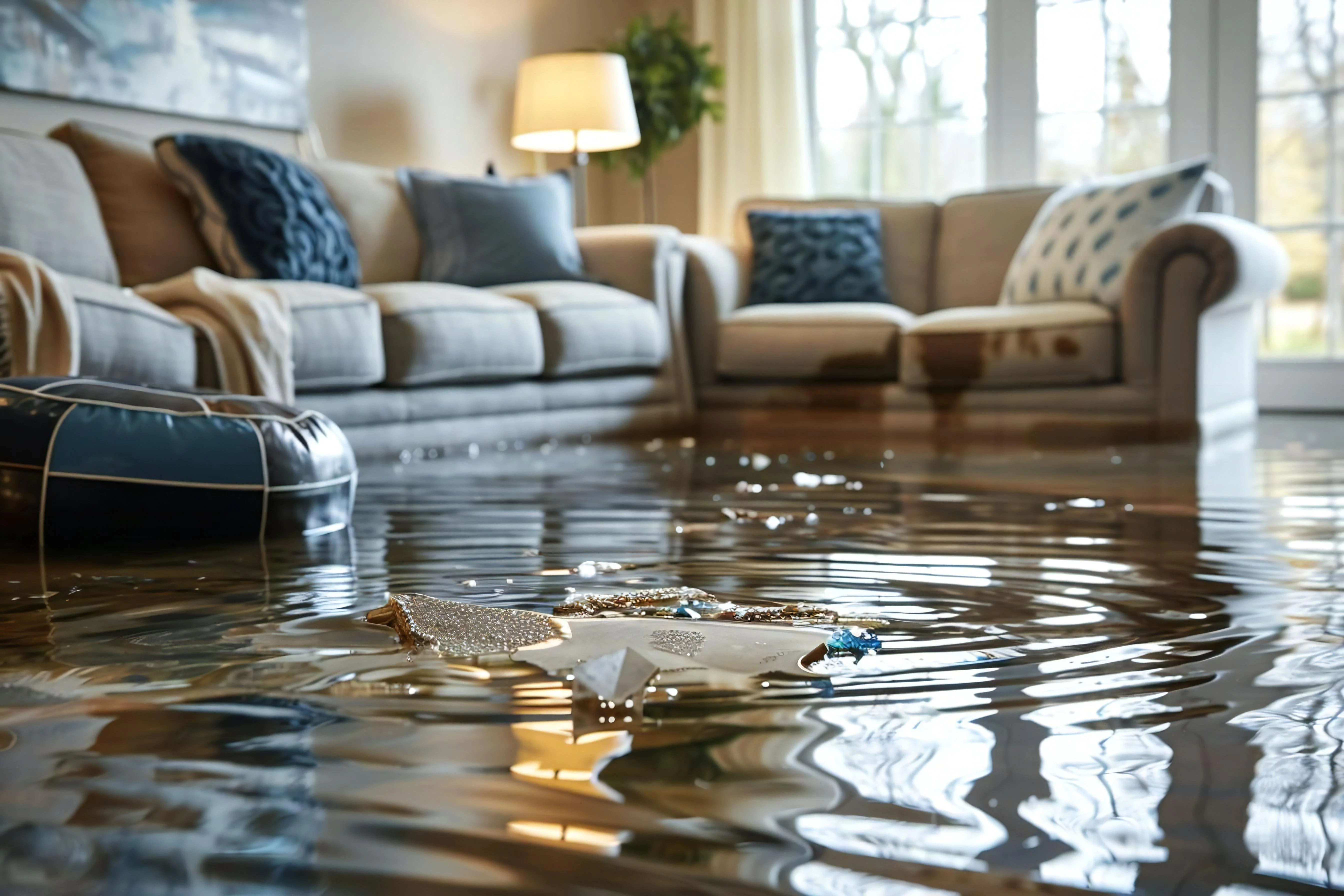
Emergency Water Removal in West Melbourne in Rental Properties: Early Signs You Should Not Ignore
Water damage in rental properties moves fast — especially in West Melbourne’s humid climate. What starts as a small leak under a sink or a ceiling stain after a storm can quickly turn into saturated drywall, warped flooring, and mold growth. For landlords and property managers, emergency water removal is not just about cleanup. It is about protecting the structure, maintaining tenant safety, and preventing long-term repair costs.
Rental homes and multi-unit properties in West Melbourne face unique risks due to frequent occupancy changes, varied maintenance habits, and heavy seasonal rain. Recognizing early warning signs allows property owners to act before minor moisture problems escalate into major restoration projects.
This guide explains what to watch for and how emergency water removal protects rental properties.
Why Rental Properties in West Melbourne Are More Vulnerable
West Melbourne experiences:
- Heavy summer rainstorms
- High year-round humidity
- Occasional tropical systems
- AC systems running continuously
- Slab foundation moisture issues
In rental properties, additional risk factors include:
- Delayed reporting of small leaks
- Inconsistent filter replacement
- Plumbing strain from high usage
- Turnover-related repairs that disturb plumbing or fixtures
Homes in nearby Palm Bay, Melbourne, and Rockledge experience similar environmental pressures.
Because tenants may not always recognize early signs of water intrusion, property owners must stay proactive.
Early Signs You Should Not Ignore
Water damage often begins quietly. The earliest indicators are easy to overlook.
1. Ceiling Discoloration
Light brown or yellow stains after heavy rain may indicate roof leaks.
2. Soft or Bubbling Drywall
Moisture trapped behind paint causes surface distortion.
3. Warped Baseboards
Swelling at the bottom of walls suggests moisture migration.
4. Musty Odors
Persistent damp smells often signal hidden water intrusion.
5. Damp or Cool Flooring
Tile over slab foundations may feel unusually cool if groundwater pressure increases.
6. Increased Indoor Humidity
If the AC runs continuously but humidity remains high, moisture may be accumulating inside walls or ducts.
Catching these signs early allows faster intervention.
Common Water Sources in Rental Properties
In West Melbourne rental homes, water intrusion typically comes from:
Roof Leaks
Storm damage or aging shingles allow rainwater penetration.
Plumbing Failures
Burst pipes, slow leaks, or appliance malfunctions can release significant water.
AC Condensate Line Clogs
Blocked drain lines cause overflow near air handler closets.
Slab Foundation Seepage
Saturated soil during rainy season increases hydrostatic pressure.
Upstairs Unit Leaks (In Multi-Family Buildings)
Water may travel downward into lower units.
Identifying the source is essential for effective emergency removal.
What Happens If Water Is Not Removed Quickly
Florida’s warm temperatures accelerate damage.
Within 24 to 48 hours:
- Mold growth may begin
- Drywall weakens
- Insulation becomes saturated
- Flooring adhesives break down
- Odors develop
In rental properties, delays increase liability and repair costs.
Fast response protects both the structure and tenant satisfaction.
Emergency Water Removal: What It Involves
Professional emergency water removal in West Melbourne follows a structured process.
Immediate Water Extraction
High-powered equipment removes standing water quickly.
Moisture Detection
Moisture meters and thermal imaging tools locate hidden dampness behind walls and under flooring.
Removal of Saturated Materials
Severely damaged drywall or padding may need removal.
Structural Drying
Air movers and dehumidifiers reduce moisture content throughout the property.
Monitoring
Moisture levels are tracked until materials reach safe thresholds.
Palm Bay Mold Removal frequently assists rental property owners in West Melbourne with rapid water extraction and complete structural drying services.
The Importance of Moisture Detection
Visible water is only part of the issue.
Hidden moisture often remains in:
- Wall cavities
- Under tile flooring
- Behind cabinets
- Attic insulation
- HVAC systems
Without proper detection, damp areas may continue developing mold even after surfaces appear dry.
Moisture mapping ensures complete restoration.
Preventing Mold in Rental Properties
Mold remediation costs far exceed early water removal expenses.
Preventative measures include:
- Prompt leak repair
- Scheduled HVAC maintenance
- Regular roof inspections
- Humidity monitoring
- Tenant education on reporting leaks immediately
In humid regions like West Melbourne, prevention must be ongoing.
HVAC Systems and Water Intrusion
Rental properties often rely heavily on AC systems.
Common issues include:
- Overflowing condensate pans
- Clogged drain lines
- Duct sweating in attics
- High indoor humidity
HVAC inspection should follow any water damage event to prevent moisture circulation throughout the unit.
Financial Impact for Property Owners
Ignoring early signs increases long-term costs.
Potential expenses include:
- Drywall replacement
- Flooring repair
- Mold remediation
- Tenant relocation
- Insurance claims complications
Prompt emergency water removal reduces these risks significantly.
Routine inspection is less expensive than full restoration.
Why Local Experience Matters
West Melbourne’s climate, soil conditions, and storm patterns create region-specific moisture challenges.
Local professionals understand:
- Slab foundation moisture behavior
- Typical attic ventilation issues
- Seasonal rainfall intensity
- AC condensation trends
- Drainage patterns in Brevard County neighborhoods
Palm Bay Mold Removal serves West Melbourne and surrounding communities with restoration strategies tailored to Florida’s environment.
Local knowledge improves both response time and prevention planning.
A Practical Approach for Rental Property Owners
Water damage in rental properties requires immediate, structured action.
The essential steps are:
- Identify and stop the water source
- Extract standing water immediately
- Perform comprehensive moisture detection
- Dry all materials thoroughly
- Inspect for mold if necessary
- Implement preventative measures
In West Melbourne’s humid climate, moisture management is continuous. By recognizing early warning signs and responding quickly, property owners can protect their investment, reduce liability, and maintain safe living conditions for tenants.