
Rockledge Mold Testing in Residential Homes: Early Signs You Should Not Ignore
Rockledge homeowners are no strangers to Florida humidity. Between heavy summer rains, year-round moisture in the air, and constant AC use, homes in Brevard County face ongoing mold risk. What makes mold especially challenging is that it often develops quietly.
By the time mold becomes clearly visible, contamination may already be widespread behind walls, under flooring, or inside attic spaces. That is why mold testing plays such an important role in residential homes. Recognizing early warning signs and responding quickly can prevent major structural damage and costly remediation.
This guide explains what to watch for and how professional mold testing protects Rockledge homes.
Why Mold Is Common in Rockledge Homes
Rockledge sits along the Indian River Lagoon, where humidity levels remain elevated most of the year. Combined with frequent rainfall and warm temperatures, the environment naturally supports mold growth.
Common local contributors include:
- Roof leaks during heavy storms
- Slab foundation moisture
- AC condensation issues
- Poor attic ventilation
- Clogged gutters
- Aging plumbing systems
Homes in nearby Viera, Cocoa, and Merritt Island experience similar conditions, especially during rainy season.
Even newer homes can develop mold if moisture control is inadequate.
Early Signs You Should Not Ignore
Mold does not always start as a large black patch on the wall. The earliest signs are often subtle.
1. Persistent Musty Odor
If certain rooms smell damp or earthy, especially after rain, hidden moisture may be present.
2. Discoloration on Walls or Ceilings
Light brown or yellow stains may indicate water intrusion behind drywall.
3. Peeling or Bubbling Paint
Moisture trapped behind painted surfaces causes paint to lift.
4. Warped Baseboards
Swelling along the bottom of walls often signals moisture migration.
5. Increased Indoor Humidity
If your home feels damp even with the AC running, humidity may be contributing to mold growth.
6. Allergy-Like Irritation Indoors
Airborne mold spores may cause mild respiratory irritation that improves outside the home.
Ignoring these signs allows mold colonies to expand.
Where Mold Commonly Develops in Residential Homes
In Rockledge homes, mold often grows in concealed areas.
Attics
Roof leaks soak insulation and roof decking. Poor ventilation slows drying.
Wall Cavities
Water entering through siding or window frames may travel downward inside walls.
Under Flooring
Moisture trapped beneath tile or laminate on slab foundations can go unnoticed.
HVAC Systems
Clogged condensate lines and duct sweating create hidden dampness.
Bathrooms and Kitchens
High humidity and limited ventilation encourage mold growth.
Professional mold testing identifies contamination in these hidden spaces.
What Mold Testing Actually Involves
Mold testing is more than a visual check. It is a structured inspection process.
Visual Assessment
Inspectors evaluate ceilings, baseboards, vents, and attic spaces for moisture indicators.
Moisture Detection
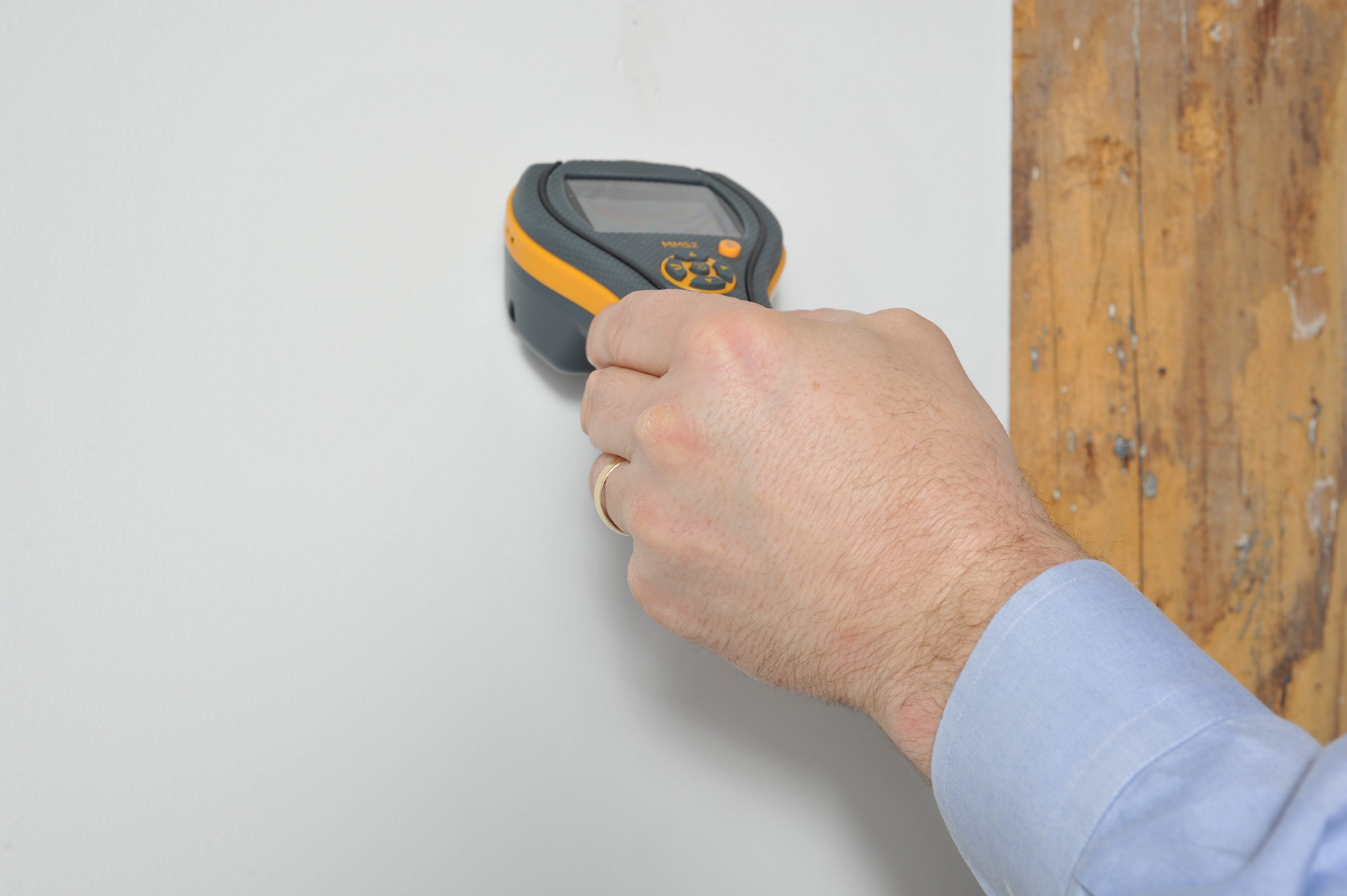
Moisture meters and thermal imaging tools locate damp areas behind walls and ceilings.
Humidity Measurement
Indoor humidity levels are recorded to assess environmental risk.
Air Sampling
Air samples compare indoor and outdoor spore levels to determine if contamination is elevated.
Surface Sampling (When Needed)
If visible growth exists, surface samples may confirm severity.
Palm Bay Mold Removal performs mold inspection and testing throughout Rockledge and surrounding Brevard County communities, focusing on accurate diagnosis and moisture source identification.
Why Early Testing Matters
Testing early provides several advantages:
- Identifies hidden moisture
- Prevents widespread mold colonization
- Reduces the need for extensive material removal
- Protects indoor air quality
- Preserves structural integrity
In Florida’s climate, waiting often makes problems worse.
Early detection keeps remediation manageable.
The Role of Humidity in Mold Growth
Rockledge’s humidity often exceeds 60 percent during summer months.
Mold thrives in damp environments. Maintaining indoor humidity between 45 and 55 percent significantly reduces risk.
Strategies include:
- Whole-home dehumidifiers
- Proper HVAC maintenance
- Sealing attic air leaks
- Using exhaust fans in bathrooms and kitchens
Humidity control is ongoing in coastal Florida.
Common Moisture Sources in Rockledge Homes
Identifying moisture sources is critical to preventing mold recurrence.
Typical sources include:
- Minor roof damage after storms
- Slab moisture migration
- Plumbing leaks inside walls
- AC drain line clogs
- Poor exterior drainage
Testing helps determine which of these factors is active.
Removing mold without correcting the moisture source guarantees future problems.
When Mold Remediation May Be Needed
If testing confirms active growth, professional remediation may follow.
This may include:
- Containment of affected areas
- HEPA air filtration
- Removal of contaminated drywall or insulation
- Cleaning structural framing
- Addressing moisture sources
- Post-remediation verification
The goal is complete removal and prevention of recurrence.
Preventative Steps for Homeowners
Rockledge homeowners can reduce mold risk with routine maintenance.
Recommended steps include:
- Inspect roofing annually
- Clean gutters regularly
- Monitor indoor humidity
- Service HVAC systems
- Address minor leaks immediately
- Schedule inspections after major storms
Preventative action is always less costly than major remediation.
Why Local Experience Makes a Difference
Rockledge homes face specific environmental pressures tied to Brevard County’s coastal climate.
Local professionals understand:
- Seasonal rain patterns
- Slab foundation moisture behavior
- Attic ventilation challenges
- AC condensation trends
- Humidity fluctuations near the river
Palm Bay Mold Removal serves Rockledge, Palm Bay, Melbourne, and surrounding communities with region-specific knowledge that improves accuracy in testing and prevention strategies.
A Practical Approach for Rockledge Homeowners
Mold growth is common in humid climates, but it is manageable with early detection.
If your Rockledge home shows subtle warning signs — musty odors, ceiling stains, rising humidity — do not ignore them. Mold testing provides clarity and helps prevent larger structural problems.
By combining professional inspection, humidity control, and proactive maintenance, homeowners can protect indoor air quality and preserve the value of their residential properties.
In Florida’s environment, early attention always leads to better outcomes.