
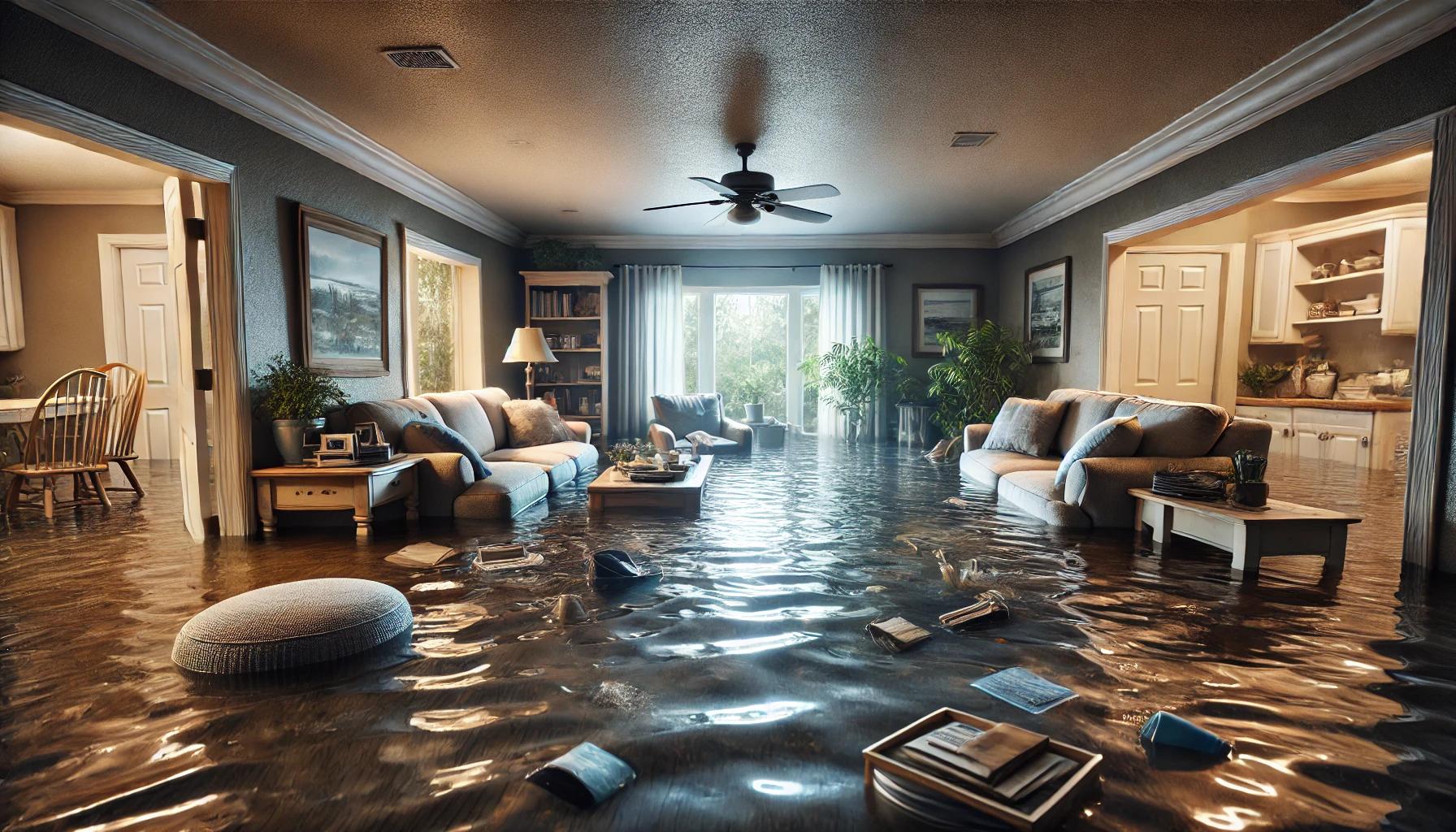
Water Damage Restoration in Palm Bay in Residential Homes: Complete Guide for Homeowners
Water damage in Palm Bay homes happens more often than most homeowners expect. Between heavy summer rain, tropical systems, plumbing failures, and AC condensation issues, moisture intrusion is a year-round concern in Brevard County. What starts as a small leak can quickly turn into structural damage if not handled properly.
Water damage restoration is not simply about drying what you can see. In Florida’s humid climate, the real risk lies in hidden moisture that lingers behind walls, beneath flooring, and inside attic insulation. This complete guide explains how restoration works, why quick action matters, and how Palm Bay homeowners can prevent future damage.
Why Water Damage Is Common in Palm Bay
Palm Bay’s environment creates ideal conditions for moisture problems. Long rainy seasons, high humidity, and occasional hurricanes place constant stress on residential structures.
Common local causes include:
- Roof leaks during heavy storms
- Wind-driven rain entering soffits
- Clogged gutters overflowing
- Slab foundation moisture
- AC drain line clogs
- Burst or leaking plumbing lines
Homes in nearby Melbourne, West Melbourne, and Rockledge experience similar conditions. Even newer construction can develop water damage if drainage or ventilation is inadequate.
Early Warning Signs of Water Damage
Water damage does not always appear dramatic. Often, the early signs are subtle.
Homeowners may notice:
- Ceiling discoloration
- Bubbling paint
- Warped baseboards
- Damp carpet
- Musty odors
- Soft drywall
- Rising indoor humidity
In slab foundation homes, moisture may wick upward from saturated soil after extended rainfall.
Catching these signs early reduces repair costs and prevents mold growth.
Why Acting Quickly Matters
In Palm Bay’s warm climate, moisture can begin affecting materials almost immediately.
Within 24 to 48 hours:
- Mold may begin forming
- Drywall weakens
- Insulation absorbs moisture
- Wood framing swells
- Odors develop
The longer water remains trapped, the greater the structural damage. Quick response often means materials can be saved instead of replaced.
The Water Damage Restoration Process Explained
Professional water damage restoration follows a structured approach.
1. Inspection and Assessment
Technicians evaluate:
- Source of water intrusion
- Extent of damage
- Moisture levels in materials
- Areas requiring removal
Identifying the source is critical. Without correcting it, damage will recur.
2. Water Extraction
High-powered pumps and vacuums remove standing water from flooring and surfaces.
3. Moisture Detection
Moisture meters and thermal imaging tools identify dampness behind walls, under flooring, and inside ceilings.
This step prevents hidden mold growth.
4. Removal of Damaged Materials
Severely saturated drywall, insulation, or carpet padding may require removal.
5. Structural Drying
Commercial air movers and dehumidifiers reduce moisture content throughout the home.
6. Monitoring and Verification
Moisture levels are measured daily until materials reach safe thresholds.
Palm Bay Mold Removal provides comprehensive water damage restoration services in Palm Bay and surrounding Brevard County communities, focusing on complete drying and long-term prevention.
Hidden Areas Where Moisture Lingers
Water does not stay where it first appears. It travels.
Common hidden moisture locations include:
- Wall cavities
- Under tile flooring
- Behind cabinets
- Inside air handler closets
- Attic insulation
- Subflooring
Without proper moisture detection, these areas remain damp and vulnerable to mold.
Mold Risk After Water Damage
Palm Bay’s humidity accelerates mold growth. Even minor leaks can create ideal conditions.
If water remains for more than 24 hours, mold inspection may be recommended.
Signs mold may be developing include:
- Persistent musty odor
- Dark spotting on drywall
- Increased allergy-like symptoms indoors
- Discoloration near vents
Early intervention prevents larger remediation projects.
The Role of HVAC Systems
HVAC systems often contribute to water damage in Florida homes.
Common issues include:
- Clogged condensate lines
- Rusted drain pans
- Duct sweating in hot attics
- Improper system sizing
After water damage, HVAC inspection ensures no secondary moisture issues are present.
Proper airflow and humidity control are essential for preventing recurrence.
Slab Foundations and Groundwater
Many Palm Bay homes are built on slab foundations. During heavy rain, saturated soil increases hydrostatic pressure beneath the slab.
Moisture can migrate upward, causing:
- Flooring damage
- Baseboard staining
- Mold beneath tile
- Musty odors
Moisture detection helps confirm whether slab-related dampness is contributing to indoor issues.
Preventing Future Water Damage
Restoration addresses current damage. Prevention protects the future.
Palm Bay homeowners can reduce risk by:
- Inspecting roofing annually
- Cleaning gutters before storm season
- Sealing window and door frames
- Improving exterior drainage
- Maintaining HVAC systems
- Monitoring indoor humidity levels
Proactive maintenance significantly reduces long-term risk.
Why Local Experience Matters
Palm Bay’s climate, construction styles, and seasonal storm patterns create specific restoration challenges.
Local professionals understand:
- Coastal humidity fluctuations
- Typical attic ventilation setups
- Slab moisture behavior
- Common roof leak patterns
- AC condensation trends
Palm Bay Mold Removal serves Palm Bay, Melbourne, Viera, Merritt Island, and Titusville with restoration strategies tailored to Florida’s environment.
Regional knowledge improves accuracy in both assessment and prevention.
Insurance and Documentation
After significant water damage, proper documentation is important.
Professional restoration services often provide:
- Moisture readings
- Damage assessment reports
- Photographic documentation
- Drying logs
Clear documentation supports insurance claims and ensures repairs are completed correctly.
A Practical Guide for Homeowners
Water damage in Palm Bay is manageable when handled quickly and professionally.
The essential steps are:
- Stop the source of water
- Extract standing water immediately
- Perform thorough moisture detection
- Dry all materials completely
- Inspect for mold
- Implement preventative measures
In Florida’s humid environment, moisture control is ongoing. With structured restoration and proactive maintenance, residential homes in Palm Bay can remain protected through rainy seasons and storm events.
Early action saves money, preserves structural integrity, and prevents long-term complications.