
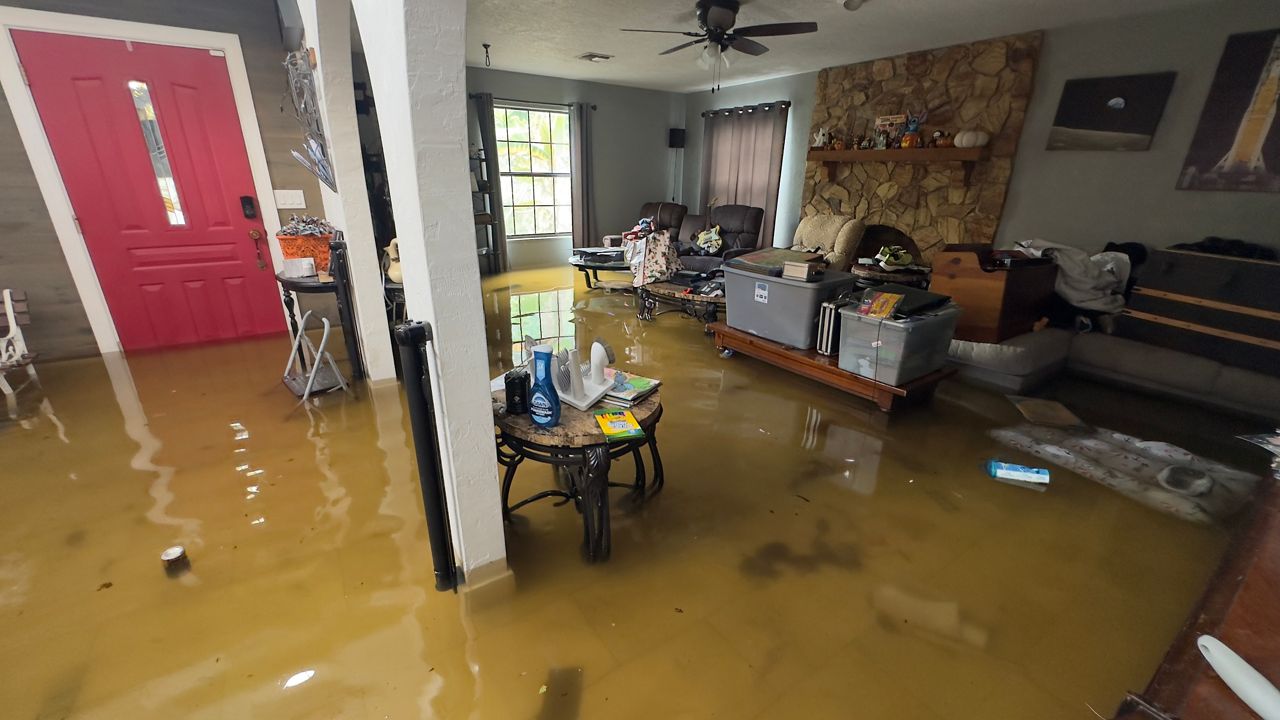
Water Damage Restoration in Merritt Island During Rainy Season: Complete Guide for Homeowners
Rainy season in Merritt Island is predictable. Long stretches of heavy afternoon storms, tropical systems moving up the coast, and consistently high humidity levels are part of life in Brevard County. What many homeowners underestimate is how quickly water intrusion can turn into structural damage if restoration does not begin immediately.
Water damage restoration during rainy season is not just about removing visible water. It involves moisture detection, controlled drying, structural repair, and mold prevention. In a coastal, humid environment like Merritt Island, proper restoration is critical to protecting your home long-term.
Why Rainy Season Creates Higher Water Damage Risk
Merritt Island sits between the Indian River and the Banana River, surrounded by coastal moisture. During rainy months:
- Soil remains saturated
- Roof systems are repeatedly stressed
- Wind-driven rain penetrates small gaps
- Indoor humidity rises
- HVAC systems work continuously
Even homes without obvious flooding can experience water intrusion through roof leaks, window seals, attic vents, or foundation seepage.
Homes in nearby Cocoa Beach, Rockledge, Cape Canaveral, and Satellite Beach face similar conditions during prolonged rain.
Early Warning Signs of Water Damage
Water damage does not always begin with standing water. Many Merritt Island homeowners notice smaller indicators first.
Common warning signs include:
- Ceiling stains after heavy rain
- Soft or bubbling drywall
- Warped baseboards
- Musty odors
- Damp carpet or padding
- Peeling paint
- Increased indoor humidity
Ignoring these early signs allows moisture to remain trapped inside walls, ceilings, and flooring.
What Happens If Water Is Not Addressed Quickly
In Florida’s warm climate, moisture begins damaging materials almost immediately.
Within 24 to 48 hours:
- Mold growth may begin
- Drywall loses structural strength
- Insulation becomes saturated
- Wood framing starts swelling
- Odors develop
Extended dampness weakens structural components and increases repair costs significantly.
Fast response reduces the likelihood of large-scale material removal later.
The Water Damage Restoration Process Explained
Professional restoration follows a structured process designed to return materials to safe moisture levels.
1. Immediate Water Extraction
High-capacity extraction equipment removes standing water from floors and surfaces.
2. Moisture Detection
Moisture meters and infrared cameras identify hidden dampness behind walls and under flooring.
3. Removal of Unsalvageable Materials
Severely damaged drywall, insulation, and carpet padding may require removal to prevent mold development.
4. Structural Drying
Commercial air movers and dehumidifiers circulate air and remove excess moisture from materials.
5. Monitoring and Verification
Moisture levels are tracked daily to confirm complete drying before reconstruction begins.
Palm Bay Mold Removal assists Merritt Island homeowners during rainy season with comprehensive water damage restoration services focused on thorough drying and long-term moisture control.
Hidden Areas That Often Retain Moisture
Rainy season water damage frequently affects concealed areas.
Attics
Roof leaks soak insulation and roof decking. Poor ventilation slows drying.
Wall Cavities
Water entering through siding or windows travels downward inside framing.
Under Tile Flooring
Moisture trapped beneath tile on slab foundations may not be visible.
HVAC Systems
High humidity increases condensation inside air handlers and ductwork.
Professional moisture mapping ensures these hidden spaces are not overlooked.
Mold Risk During Rainy Season
Merritt Island’s warm, humid environment accelerates mold growth. If materials remain damp, colonies may develop quickly.
Preventative mold inspection after water damage is often recommended, especially if:
- Water remained for more than 24 hours
- Musty odors persist
- Visible staining spreads
- Indoor humidity stays elevated
Early detection prevents larger remediation projects later.
The Role of Humidity Control
Rainy season humidity often exceeds safe indoor thresholds.
Maintaining indoor humidity between 45 and 55 percent reduces the risk of mold growth and secondary damage.
Strategies include:
- Whole-home dehumidifiers
- Proper HVAC maintenance
- Sealing attic air leaks
- Using exhaust fans during cooking and showering
Humidity control is a long-term protection measure in coastal Florida.
Common Rainy Season Water Sources
Merritt Island homes experience water intrusion from several predictable sources.
Roof Leaks
Wind-driven rain penetrates flashing and shingle gaps.
Window and Door Seals
Weather exposure degrades seals over time.
Groundwater Seepage
Saturated soil increases pressure against foundations.
AC Condensation
Continuous operation during humid months increases condensate production.
Identifying the source prevents recurrence.
Preventative Steps Before the Next Storm
Water damage restoration is only part of the solution. Prevention reduces future risk.
Homeowners should:
- Inspect roofing annually
- Clean gutters before storm season
- Check attic ventilation
- Seal exterior cracks
- Maintain proper drainage around foundations
- Service HVAC systems regularly
Proactive maintenance protects homes throughout rainy months.
Structural Considerations in Coastal Homes
Many Merritt Island homes are built on slab foundations or elevated designs to accommodate flood zones.
Each construction type presents unique moisture challenges:
- Slab foundations can trap moisture
- Elevated homes may experience wind-driven rain intrusion
- Older properties may lack modern vapor barriers
Local experience helps identify construction-specific vulnerabilities.
Why Acting Within 48 Hours Matters
The first two days after water intrusion are critical.
Quick action can:
- Prevent mold growth
- Save drywall and flooring
- Reduce odor development
- Minimize structural damage
- Lower restoration costs
Delayed response often results in more extensive repairs.
Why Local Experience Makes a Difference
Merritt Island’s coastal climate, high humidity, and seasonal storm patterns require region-specific restoration knowledge.
Local professionals understand:
- How coastal wind affects roofing systems
- Typical drainage challenges in Brevard County
- Attic ventilation patterns
- Humidity fluctuations during rainy season
Palm Bay Mold Removal serves Merritt Island and surrounding communities with restoration strategies tailored to Florida’s environmental conditions.
Local familiarity improves accuracy in both assessment and prevention.
A Practical Guide for Homeowners
Rainy season water damage is common in Merritt Island, but long-term damage is preventable.
The key steps are:
- Immediate water extraction
- Complete moisture detection
- Structured drying
- Mold inspection when needed
- Preventative maintenance before the next storm
By responding quickly and implementing preventative measures, homeowners protect their investment and reduce the likelihood of recurring water damage.
In a coastal environment like Merritt Island, moisture management is ongoing. With proper restoration and proactive care, homes can remain structurally sound and protected throughout Florida’s rainy season.