
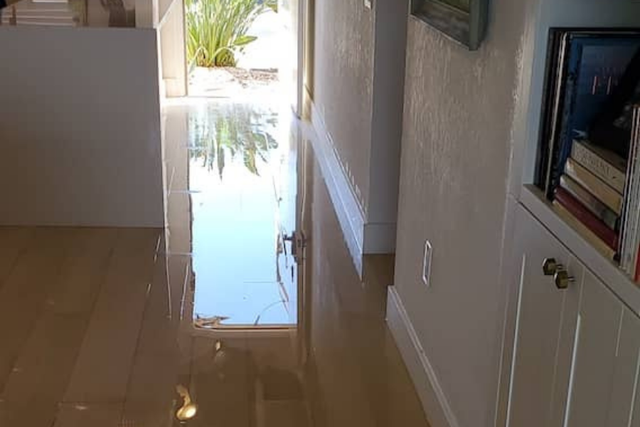
Warning Signs and Prevention: Emergency Water Removal in Cocoa Beach Coastal Homes
Living in Cocoa Beach means ocean views, coastal breezes, and unfortunately, increased exposure to heavy rain, storm surge, and high groundwater levels. Coastal homes face unique moisture challenges that inland properties rarely experience. When water intrusion happens, immediate action is critical. Emergency water removal is not just about clearing visible water — it is about protecting the structure from long-term damage and preventing mold growth in Florida’s humid climate.
Understanding the warning signs and prevention strategies helps Cocoa Beach homeowners act quickly and minimize repair costs.
Why Coastal Homes in Cocoa Beach Are at Higher Risk
Cocoa Beach properties sit close to the Atlantic Ocean and the Banana River. That proximity brings:
- Storm surge during tropical systems
- Wind-driven rain
- Elevated groundwater levels
- Salt air corrosion of building materials
- Constant high humidity
Even without hurricanes, daily coastal humidity stresses roofing systems, window seals, and exterior siding. During heavy summer storms, water can enter homes through small vulnerabilities that might go unnoticed in drier regions.
Homes in nearby Satellite Beach, Cape Canaveral, and Merritt Island experience similar coastal exposure.
Early Warning Signs of Water Intrusion
Water damage does not always begin with visible flooding. In many Cocoa Beach homes, the first signs are subtle.
Common warning indicators include:
- Damp or soft drywall near windows
- Ceiling stains after heavy rain
- Warped baseboards
- Bubbling paint
- Musty odors
- Flooring that feels uneven
- Condensation around vents
In slab foundation homes, moisture may wick upward from saturated soil. In elevated coastal properties, wind-driven rain can enter through soffits or roof penetrations.
Recognizing early signs allows faster emergency response.
What Happens When Water Is Not Removed Quickly
In Florida’s warm environment, standing water accelerates structural deterioration. Within 24 to 48 hours:
- Mold may begin forming
- Drywall weakens
- Insulation absorbs moisture
- Wood framing starts to swell
- Odors develop
Saltwater exposure, common during storm surge events, adds another layer of concern. Salt residue can corrode metal components and compromise structural integrity over time.
Delaying water removal increases repair costs and raises the likelihood of mold remediation.
Emergency Water Removal: What It Involves
Professional emergency water removal in Cocoa Beach follows a structured process designed to stabilize the property quickly.
Immediate Water Extraction
High-capacity extraction equipment removes standing water from flooring and surfaces.
Moisture Detection
Moisture meters and thermal imaging identify damp areas behind walls, under flooring, and inside insulation.
Structural Drying
Commercial air movers and dehumidifiers reduce moisture levels throughout the property.
Removal of Saturated Materials
Severely damaged drywall, insulation, or carpet padding may need removal.
Monitoring Moisture Levels
Drying progress is tracked until materials return to safe moisture content.
Palm Bay Mold Removal frequently assists coastal homeowners in Cocoa Beach and surrounding Brevard County communities with emergency water removal following heavy rain and storm events.
Common Sources of Water Intrusion in Coastal Homes
Cocoa Beach homes face specific vulnerabilities.
Roof Damage
High winds loosen shingles and flashing. Even small gaps allow rain penetration.
Window and Door Seals
Salt air and sun exposure degrade seals over time.
Groundwater Seepage
Prolonged rain saturates soil, increasing hydrostatic pressure against foundations.
HVAC Condensation
During storms, AC systems run continuously, producing excess condensation that may overflow.
Plumbing Failures
Corrosion from salt air can accelerate pipe wear.
Identifying the source is just as important as removing water.
The Role of Mold Prevention After Water Removal
Emergency water removal does not automatically prevent mold. Complete drying is essential.
Hidden moisture behind walls or under flooring creates ideal conditions for mold growth.
Professional inspections may include:
- Air sampling
- Surface testing
- Humidity measurement
- Attic inspection
If mold is detected, structured remediation may follow.
Maintaining indoor humidity below 60 percent significantly reduces post-flood mold risk.
Preventative Strategies for Cocoa Beach Homeowners
Coastal prevention requires year-round attention.
Inspect Roofing Before Storm Season
Address minor damage early to avoid major leaks later.
Maintain Gutters and Drainage
Ensure water flows away from the foundation.
Seal Exterior Openings
Regularly inspect window and door seals.
Elevate Electrical Components
In flood-prone zones, ensure critical systems are protected.
Service HVAC Systems
Clean drain lines and inspect condensate pans regularly.
Monitor Indoor Humidity
Use hygrometers to track levels, especially during prolonged rain.
Homes in Rockledge, Melbourne Beach, and Viera can benefit from similar preventative measures, even if they are slightly inland.
The Importance of Acting Within 48 Hours
The first two days after water intrusion are critical.
If water removal begins quickly:
- Mold risk decreases
- Structural materials may be salvageable
- Odor development is minimized
- Repair costs remain lower
Delayed response often results in drywall removal, insulation replacement, and extended remediation.
Coastal humidity makes fast action even more important in Cocoa Beach.
Long-Term Structural Considerations
Repeated water intrusion weakens building materials over time.
Salt exposure compounds the problem by accelerating corrosion of fasteners and metal components.
Periodic inspections after major storms help ensure small issues do not become structural failures.
Moisture barriers, proper ventilation, and drainage improvements offer long-term protection.
Why Local Experience Matters
Cocoa Beach homes face environmental conditions that differ from inland Florida areas.
Local professionals understand:
- Coastal wind patterns
- Storm surge behavior
- Elevated groundwater risks
- Salt air impact on materials
- Typical construction styles in Brevard County
Palm Bay Mold Removal works throughout Cocoa Beach, Palm Bay, Satellite Beach, and surrounding coastal communities with experience specific to Florida’s coastal moisture challenges.
Local knowledge leads to faster diagnosis and more effective prevention strategies.
A Practical Approach to Emergency Water Removal
Water intrusion is stressful, especially in coastal areas where storms are common. However, with prompt action and structured drying, long-term damage can be minimized.
The key steps are:
- Immediate water extraction
- Thorough moisture detection
- Complete structural drying
- Mold inspection if needed
- Preventative maintenance before the next storm
Cocoa Beach homeowners who act quickly and implement preventative measures protect not only their property value but also the long-term durability of their coastal homes.