
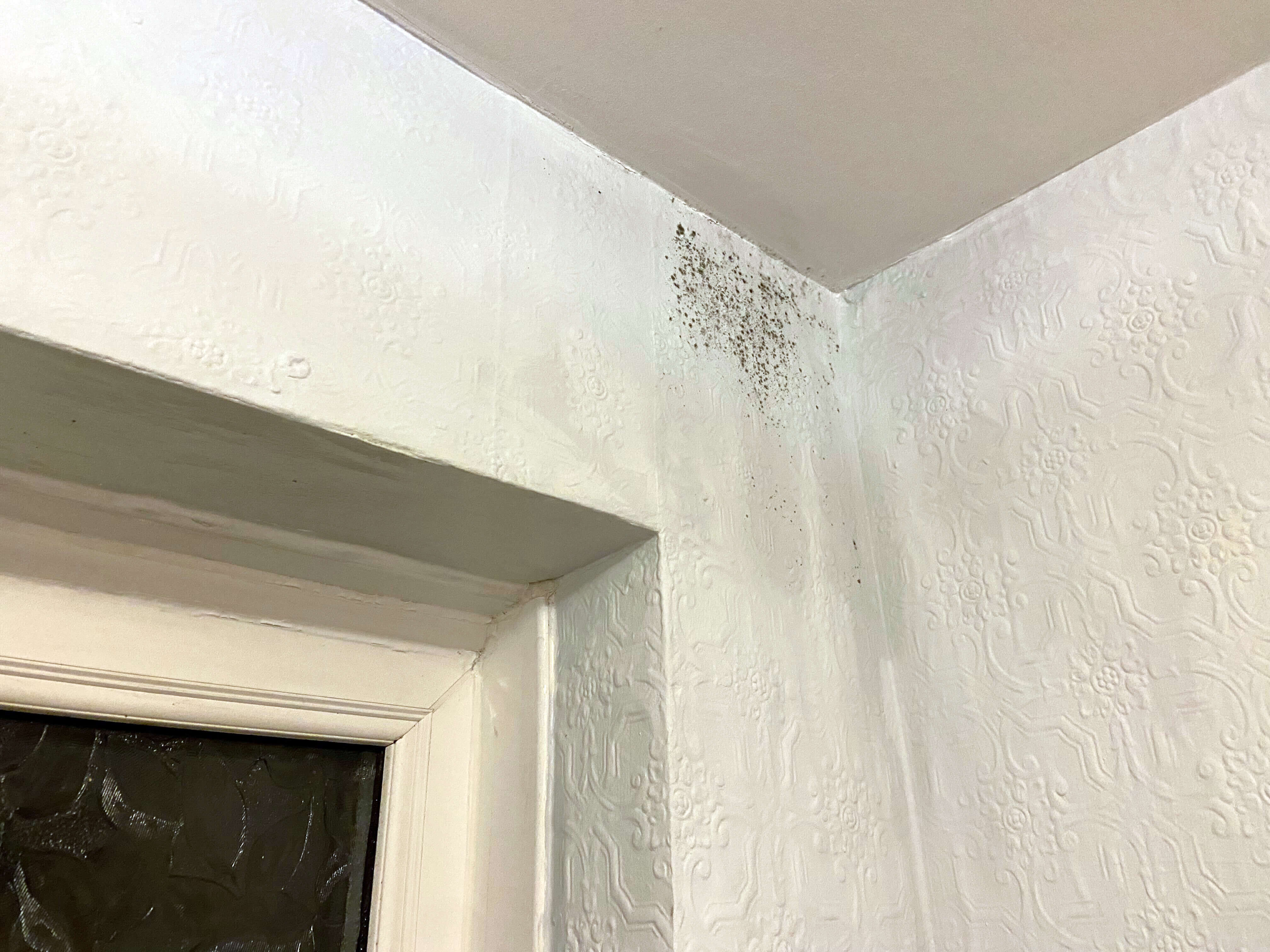
Merritt Island Mold Testing from AC Condensation: A Local Homeowner Guide
On Merritt Island, air conditioning runs most of the year. Between coastal humidity, long summers, and mild winters, AC systems rarely get a break. While they keep homes comfortable, they also create one of the most common hidden moisture problems in Brevard County: condensation.
When AC condensation is not draining or ventilating properly, it can quietly create the perfect environment for mold growth. Many homeowners do not connect musty odors or minor wall staining to their cooling system. This guide explains how AC condensation leads to mold issues, how professional mold testing works, and how Merritt Island homeowners can prevent long-term damage.
Why AC Condensation Is a Bigger Issue on Merritt Island
Merritt Island sits between the Indian River and the Banana River. That surrounding water keeps outdoor humidity consistently high. When humid air enters your home and meets cold evaporator coils inside your AC system, condensation forms naturally.
Under normal conditions, that moisture flows into a drain pan and exits through a condensate line.
Problems develop when:
- Drain lines clog with algae buildup
- Drain pans crack or overflow
- Air filters restrict airflow
- Ductwork lacks insulation
- Systems are oversized and short-cycle
Instead of draining safely, moisture accumulates inside air handlers, duct boots, wall cavities, or attic spaces.
Florida’s warm temperatures allow mold to begin forming quickly when moisture remains trapped.
How Mold Develops from AC Moisture
Condensation from AC systems often collects in concealed areas, which makes detection difficult.
Inside Air Handler Closets
Air handlers installed in interior closets or garages may leak water slowly over time. Even minor overflow can soak nearby drywall and baseboards.
In Attics
Ductwork in hot attic spaces often “sweats” when insulation is thin or damaged. Warm humid attic air contacts cold metal ducts, forming water droplets.
Around Ceiling Registers
Improperly sealed vent boots allow cool air to escape into attic spaces. This creates condensation at ceiling drywall openings.
Behind Walls
Drain line leaks hidden inside walls may go unnoticed for months.
By the time visible mold appears, the issue has usually been developing for some time.
Signs Merritt Island Homeowners Notice
AC-related mold problems do not always start with visible black patches. More often, homeowners report subtle warning signs.
Common indicators include:
- Musty smell near vents
- Damp or soft drywall near air handler closets
- Visible moisture on vent covers
- Water stains on ceilings
- High indoor humidity readings
- Increased dust accumulation
Some homeowners notice that allergy-like irritation improves when they leave the house.
If any of these occur during peak cooling months, mold testing may be necessary.
What Professional Mold Testing Involves
Mold testing is not simply checking visible spots. It is a structured diagnostic process.
1. Visual Inspection
A thorough assessment includes:
- Air handler units
- Condensate drain lines
- Drain pans
- Duct connections
- Ceiling registers
- Attic insulation
Technicians look for both moisture damage and ventilation issues.
2. Moisture Detection
Moisture meters and thermal imaging tools detect hidden dampness behind drywall and ceilings.
3. Humidity Measurement
Indoor humidity levels are recorded. Consistently elevated levels increase mold risk.
4. Air Sampling
Air samples measure indoor spore concentrations and compare them to outdoor control samples.
5. Surface Sampling (If Needed)
Visible growth may be sampled to determine severity.
Palm Bay Mold Removal provides mold inspection and testing services throughout Merritt Island and surrounding communities, focusing on identifying moisture-driven contamination before it spreads.
Why Testing Matters Before Visible Damage Appears
By the time mold is visible, material removal may be required. Testing during early stages allows homeowners to correct moisture issues before structural damage occurs.
If condensation is detected but mold has not yet colonized, corrective actions such as drain line cleaning, duct sealing, or humidity control can prevent larger remediation projects.
Preventative testing saves both time and repair costs.
The Role of Indoor Humidity in Mold Growth
Humidity is one of the most important factors in mold development.
In Merritt Island homes, indoor humidity often exceeds 60 percent during summer months. Mold growth becomes more likely above this threshold.
Maintaining indoor humidity between 45 and 55 percent significantly reduces risk.
Strategies include:
- Installing whole-home dehumidifiers
- Running exhaust fans in bathrooms and kitchens
- Sealing attic air leaks
- Servicing HVAC systems annually
- Monitoring humidity with digital hygrometers
Humidity management is essential in coastal Florida.
AC Maintenance as Prevention
Routine HVAC maintenance reduces condensation problems.
Homeowners should:
- Replace filters regularly
- Flush condensate drain lines
- Inspect drain pans for cracks
- Ensure duct insulation is intact
- Confirm airflow is balanced
Oversized systems that short-cycle can increase humidity levels because they cool air quickly without removing enough moisture. Proper system sizing matters.
Addressing minor condensation issues early prevents larger mold concerns later.
What Happens If Mold Is Found
If testing confirms mold growth, professional remediation may be required.
Remediation typically includes:
- Containment of affected areas
- HEPA air filtration
- Removal of contaminated drywall or insulation
- Cleaning structural framing
- Addressing the condensation source
- Post-remediation verification
Removing mold without correcting the AC moisture problem leads to recurrence.
The focus must always include eliminating the cause.
Long-Term Protection for Merritt Island Homes
Living near water means managing moisture is an ongoing responsibility.
To reduce risk:
- Inspect attic ductwork annually
- Keep condensate lines clear
- Seal vent boots properly
- Monitor humidity during peak summer
- Schedule periodic mold inspections if past issues occurred
Homes in neighboring areas like Cocoa Beach, Rockledge, and Cape Canaveral face similar humidity challenges.
Proactive care keeps minor condensation from turning into structural mold damage.
Why Local Experience Matters
Merritt Island’s coastal climate, sandy soil, and elevated humidity create conditions that differ from inland Florida regions.
Local professionals understand:
- Seasonal humidity fluctuations
- Common AC installation configurations
- Attic ventilation patterns
- Drain line clogging trends
Palm Bay Mold Removal works throughout Merritt Island, Palm Bay, Melbourne, and Titusville with region-specific knowledge that improves diagnosis and prevention strategies.
Understanding local environmental pressures ensures accurate testing and effective solutions.
A Practical Approach for Homeowners
AC condensation is normal. Mold growth is not inevitable.
The key is awareness, early detection, and proper moisture control.
If your Merritt Island home shows signs of excess humidity, water staining near vents, or persistent musty odors, mold testing provides clarity. It identifies whether condensation is causing hidden growth and allows corrective steps before damage spreads.
With consistent HVAC maintenance, humidity monitoring, and professional inspection when needed, homeowners can protect their indoor air quality and prevent long-term mold damage in Florida’s coastal climate.