
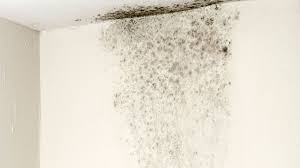
Black Mold Removal Services in Titusville After Water Damage: Professional Tips for Property Owners
Water damage in Titusville homes rarely ends when the visible water is gone. In Florida’s humid climate, lingering moisture often leads to black mold growth within days. For property owners, this creates a second wave of damage that can be more expensive and harder to detect than the original water intrusion.
Whether the source was storm flooding, a roof leak, a broken pipe, or AC condensation, professional black mold removal requires careful assessment and structured remediation. Acting quickly and correctly protects both the property and its long-term value.
What Black Mold After Water Damage Really Means
Black mold is not a specific single species. It is a general term property owners use to describe dark-colored mold growth that appears on walls, ceilings, wood framing, or insulation.
After water damage in Titusville, mold can begin developing in as little as 24 to 48 hours when materials remain damp. Drywall, carpet padding, and insulation are especially vulnerable.
Water intrusion provides three things mold needs:
- Moisture
- Organic material (wood, drywall paper, dust)
- Warm temperatures
Florida’s year-round warmth accelerates this process.
When mold colonies establish themselves, spores spread through air currents, especially if HVAC systems are running. That is why prompt removal is critical.
Why Titusville Properties Face Higher Risk
Titusville’s coastal proximity and heavy seasonal rains increase water intrusion risk. Hurricanes and tropical storms frequently impact Brevard County, bringing intense rainfall and wind-driven leaks.
Several local factors contribute to post-water damage mold growth:
- Slab foundations that retain moisture
- Older roofing systems in established neighborhoods
- Attic-installed air handlers
- High outdoor humidity
- Flood-prone low elevations
Properties in nearby communities like Mims, Port St. John, and Cocoa face similar environmental challenges.
When water damage occurs, natural drying takes longer in humid climates, allowing mold growth to accelerate.
Common Areas Where Black Mold Develops
After water damage, black mold often appears in predictable locations.
Behind Drywall
Water entering through roof leaks or window frames travels downward inside walls. By the time staining appears, internal growth may already be extensive.
Under Flooring
Carpet padding and subfloors absorb water quickly. Even if carpet feels dry, moisture can remain trapped below.
In Attics
Roof leaks soak insulation and roof decking. Poor attic ventilation slows drying.
Around HVAC Systems
Air handler closets frequently experience condensation and water overflow, creating ideal mold conditions.
Inside Cabinets and Closets
Enclosed spaces trap humidity and slow evaporation.
Professional inspection helps identify hidden contamination that visual checks may miss.
Professional Tips for Property Owners After Water Damage
1. Act Within the First 48 Hours
The first two days after water damage are critical. Immediate water extraction and drying dramatically reduce mold growth risk.
If standing water is present, removal should begin immediately.
2. Do Not Rely on Surface Dryness
Surfaces may feel dry while internal moisture remains. Moisture meters and thermal imaging tools are necessary to confirm materials are fully dry.
3. Avoid Disturbing Visible Mold
Scrubbing or spraying mold without containment can spread spores throughout the home. Improper cleaning may worsen contamination.
4. Isolate the Affected Area
If mold is visible, limit airflow from the affected space to prevent spore distribution.
5. Schedule Professional Inspection
A structured mold inspection identifies the full extent of contamination and moisture sources.
Palm Bay Mold Removal frequently assists property owners in Titusville with black mold removal following flood and storm-related water damage, focusing on safe containment and long-term prevention.
What Professional Black Mold Removal Involves
Proper remediation follows a systematic process.
Inspection and Testing
Professionals evaluate visible growth, measure moisture levels, and may perform air or surface sampling to confirm contamination levels.
Containment
Affected areas are sealed with plastic barriers and negative air pressure to prevent spore spread.
Removal of Contaminated Materials
Drywall, insulation, or flooring that cannot be salvaged is carefully removed.
HEPA Filtration
Air scrubbers with HEPA filters capture airborne spores during the process.
Structural Cleaning
Exposed framing and structural components are cleaned using professional-grade solutions.
Drying and Dehumidification
Commercial drying equipment ensures all materials return to safe moisture levels.
Post-Remediation Verification
Follow-up testing confirms that spore levels have returned to normal conditions.
This structured approach prevents recurrence.
The Importance of Addressing the Moisture Source
Removing mold without correcting the moisture issue guarantees future problems.
After water damage, professionals investigate:
- Roof integrity
- Plumbing leaks
- Foundation cracks
- Drainage around the property
- HVAC drain lines
In Titusville’s humid environment, ongoing moisture control is just as important as mold removal itself.
Flood Restoration and Structural Repair
Water damage often extends beyond mold concerns.
Flood restoration services may include:
- Carpet removal and cleaning
- Subfloor drying
- Drywall replacement
- Baseboard and trim repair
- Insulation replacement
- Structural framing evaluation
Proper drying before rebuilding prevents hidden mold growth later.
Properties near the Indian River Lagoon or low-lying areas may require more extensive drying due to groundwater intrusion.
Preventing Future Mold After Water Damage
Property owners can reduce recurrence risk by implementing preventative measures.
Maintain Roofing Systems
Annual roof inspections catch minor damage before storms worsen it.
Improve Drainage
Ensure gutters and downspouts direct water away from foundations.
Monitor Indoor Humidity
Keep indoor humidity between 45 and 55 percent.
Service HVAC Systems
Regular AC maintenance reduces condensation buildup.
Inspect After Major Storms
Even if no obvious leaks appear, post-storm inspections can catch early issues.
Preventative action saves significant repair costs over time.
Why Local Experience Matters
Black mold removal in Titusville requires understanding local weather patterns, construction styles, and humidity levels.
Homes built decades ago may lack modern vapor barriers. Attic ventilation may be insufficient for today’s climate demands. Slab foundations may wick moisture upward during prolonged rainfall.
Palm Bay Mold Removal serves Titusville and surrounding Brevard County communities with experience specific to Florida’s moisture challenges.
Local knowledge ensures more accurate diagnosis and more effective solutions.
A Practical Approach for Property Owners
Water damage is stressful, but black mold does not need to become a long-term problem.
The key steps are:
- Act quickly
- Confirm full drying
- Use professional inspection
- Remove contamination properly
- Correct the moisture source
By taking a structured, informed approach, Titusville property owners can protect their homes from long-term mold damage and preserve property value.
Early intervention is always more effective than delayed remediation.