Step-by-Step Process Explained: Air Duct Cleaning in Titusville after Flooding
Flooding is something many homeowners in Titusville and nearby Brevard County communities deal with at some point. Heavy rains, storm surge, or even a plumbing failure can send water where it doesn’t belong. Most people focus on flooring, drywall, and furniture first—which makes sense—but air ducts often get overlooked. And honestly, that’s where hidden problems can quietly start.
Let’s walk through how air duct cleaning works after flooding, why it matters, and what homeowners in Titusville should realistically expect.
What Happens to Air Ducts After Flooding
When floodwater enters a home, moisture doesn’t stay in one place. It spreads through insulation, framing, and sometimes into HVAC ductwork. Even if ducts aren’t completely submerged, humid air and damp insulation can create the perfect environment for mold growth.
In Florida’s climate, moisture trapped inside ducts can linger longer than most people realize. Without proper cleaning and drying, those damp conditions can affect air quality and spread contaminants through the system whenever the AC runs.
Why This Happens So Often in Titusville
Titusville sits in an area where humidity levels stay high much of the year. Add seasonal storms, heavy rainfall, and occasional flooding, and you’ve got a combination that keeps moisture levels elevated in homes.
Several local factors make duct issues more common:
- Older duct insulation that absorbs moisture
- Crawl spaces and attics with limited ventilation
- AC systems running frequently in humid weather
- Storm-driven rain entering roof or soffit areas
Homes in nearby areas like Merritt Island, Cocoa Beach, and Rockledge face similar conditions, especially after tropical storms.
Common Signs Homeowners Notice
After flooding, homeowners sometimes notice subtle changes before realizing the ducts are involved.
Typical signs include:
- Musty or damp odors when the AC runs
- Uneven cooling or airflow
- Dust or debris appearing around vents
- Increased humidity indoors
- Allergy-like irritation indoors that improves outside
These signs don’t always mean severe contamination, but they do suggest moisture may still be present somewhere in the HVAC system.
Hidden or Overlooked Sources of Moisture
Not all duct problems come directly from floodwater entering vents. Sometimes moisture finds its way in indirectly.
Common hidden sources include:
- Wet insulation surrounding ducts
- Condensation forming on metal duct surfaces
- Water trapped inside return plenums
- Damp attic air circulating through the system
In homes across Titusville and Viera, it’s common to find moisture lingering in attic ductwork weeks after a flooding event—even when living areas look completely dry.
Why DIY Air Duct Cleaning Usually Falls Short
It’s tempting to vacuum vents or spray disinfectants and assume the problem is handled. Unfortunately, duct systems are long, enclosed, and difficult to access without specialized equipment.
DIY attempts often:
- Clean only the visible vent openings
- Leave moisture trapped deeper in the system
- Miss contaminated insulation
- Fail to remove fine debris or microbial growth
Airflow inside ducts can also spread contaminants further if cleaning isn’t done correctly. That’s why professional inspection is usually the first step.
Professional Mold Inspection & Testing Explained
A proper inspection focuses on locating moisture and determining whether contamination is present.
The process typically includes:
- Visual inspection of accessible ductwork
- Moisture readings in surrounding materials
- Checking air handler and return sections
- Identifying areas of restricted airflow
- Evaluating insulation condition
In some cases, air or surface sampling helps confirm whether mold growth is present inside the system.
Experienced technicians understand where problems typically occur in Florida homes—especially after flooding. That local knowledge often makes a big difference in finding issues quickly.
Proper Air Duct Cleaning & Remediation Process
Once inspection confirms contamination or debris, cleaning begins in stages.
A typical step-by-step process looks like this:
- System Isolation
Sections of ductwork are sealed to prevent debris from spreading during cleaning. - Negative Air Setup
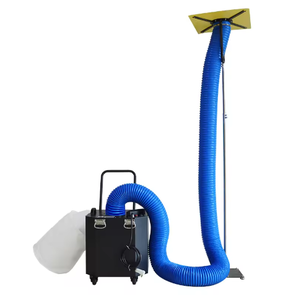
Specialized equipment creates suction to pull contaminants out safely. - Mechanical Cleaning
Brushes and air tools remove buildup from interior duct surfaces. - Debris Removal
Particles are collected using filtration equipment designed for HVAC systems. - Sanitization (when appropriate)
Approved treatments may be used in specific situations to address microbial growth. - Drying and Moisture Control
Ensuring ducts and surrounding areas are fully dry is critical before restoring operation.
This process restores airflow and helps prevent future problems from developing.
Flood Restoration & Water Damage Repair
Air duct cleaning often happens alongside broader flood restoration work. Drying structural materials, removing wet insulation, and repairing water-damaged components all help prevent recurring issues.
Homes in Titusville and Satellite Beach frequently require:
- Water extraction
- Structural drying
- Moisture monitoring
- Insulation replacement
- Leak detection and correction
Addressing the entire moisture problem—not just the ducts—is the key to lasting results.
Air Ducts, AC Systems & Mold
Air ducts and AC systems are closely connected. If one component holds moisture, the entire system can be affected.
Common HVAC-related moisture sources include:
- Condensation from evaporator coils
- Blocked drain lines
- Improperly insulated ducts
- Air leaks in return ducts
When these issues combine with flood damage, mold can develop faster than many homeowners expect.
Professionals who regularly work in Palm Bay, Melbourne, and Titusville understand how quickly Florida humidity accelerates these problems.
How to Prevent Mold in Titusville Homes
Preventing duct contamination after flooding isn’t complicated, but it does require attention to detail.
Practical steps include:
- Drying the home quickly after water intrusion
- Running dehumidifiers during restoration
- Scheduling HVAC inspections after flooding
- Replacing wet insulation promptly
- Keeping AC drain lines clear
Regular maintenance also helps reduce long-term moisture buildup.
Why Local Experience Matters
Flooding and humidity behave differently in Florida than in many other regions. Materials dry at different rates, and moisture often lingers in unexpected places.
Technicians familiar with Brevard County homes know:
- Where moisture hides in attic duct systems
- How coastal humidity affects drying times
- Which construction styles are most vulnerable
- How AC systems operate under high humidity conditions
Companies like Palm Bay Mold Removal have seen these patterns repeatedly across Palm Bay, Merritt Island, and Titusville, which helps inspections and restoration move more efficiently.
A Calm, Practical Next Step
If your home in Titusville has experienced flooding, checking the HVAC system is simply part of protecting the property. Air ducts are easy to overlook, but they play a big role in indoor air quality and overall comfort.
A thorough inspection, proper drying, and professional cleaning when needed usually resolve issues before they become larger problems. Taking action early tends to be easier, less disruptive, and more effective in the long run.