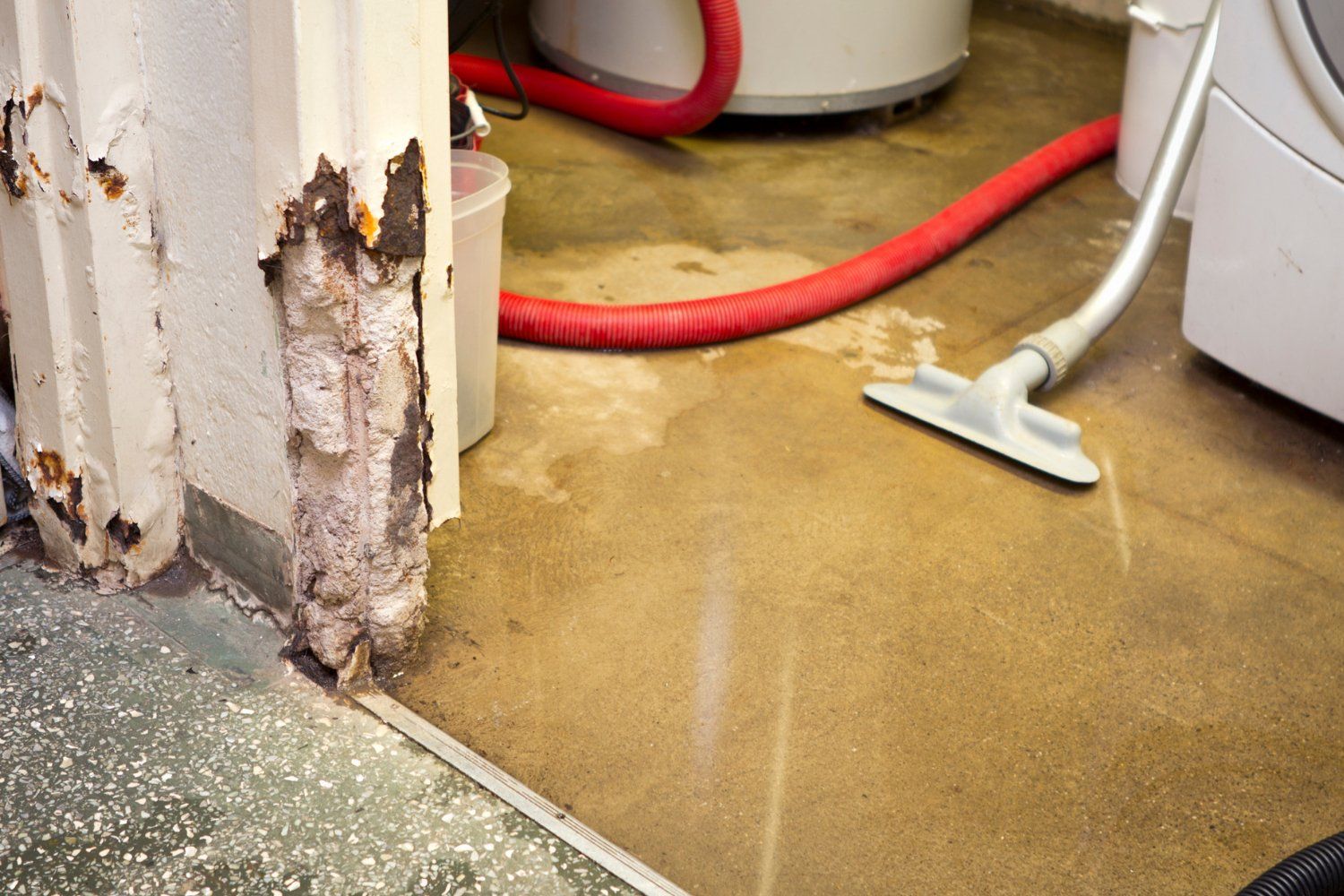
Melbourne Emergency Water Removal After Flooding: Costs, Causes, and Solutions
Flooding is something many homeowners in Melbourne hope they never deal with—but heavy rain, plumbing failures, and storm surges make it a real possibility. When water enters a home, the first priority isn’t repairs or cleaning—it’s removing the water as quickly as possible. The longer water sits, the more damage it causes to flooring, walls, insulation, and even structural components.
Emergency water removal is designed to stop that damage from spreading. Whether the flooding comes from a storm, a broken pipe, or drainage problems, fast action can make a significant difference in both repair costs and recovery time.
Across Melbourne, Palm Bay, Rockledge, and nearby Brevard County communities, homeowners who act quickly after flooding often prevent mold growth and major structural damage.
What Emergency Water Removal Really Means
Emergency water removal is the process of extracting standing water and beginning the drying process immediately after flooding occurs.
This process typically involves:
- Removing standing water
- Extracting moisture from flooring and carpets
- Drying structural materials
- Monitoring moisture levels
The goal is simple: stop water from soaking deeper into materials where damage becomes harder and more expensive to repair.
Floodwater doesn’t stay in one place. It travels into baseboards, drywall, subfloors, and insulation, sometimes within hours.
Common Causes of Flooding in Melbourne Homes
Flooding can happen in several ways, and not all of them are dramatic.
Common causes include:
- Heavy rainfall and storms
- Roof leaks during severe weather
- Overflowing gutters or drainage systems
- Broken plumbing lines
- Appliance failures such as water heaters or washing machines
- Poor grading or drainage around foundations
Homes in coastal or low-lying areas near Satellite Beach and Cocoa Beach may also experience flooding from storm surges or prolonged rainfall.
Even a small amount of water intrusion can cause significant damage if it isn’t addressed quickly.
Why Flood Damage Happens So Quickly in Florida
Melbourne’s climate plays a major role in how quickly water damage develops.
Factors include:
- Warm temperatures that accelerate material deterioration
- High humidity that slows drying
- Air conditioning systems that may circulate moist air
- Porous building materials that absorb water quickly
In humid conditions, mold can begin developing within 24 to 48 hours. That’s why emergency water removal is often considered the most important step in restoration.
The faster water is removed, the lower the risk of mold and structural damage.
Warning Signs That Immediate Water Removal Is Needed
Some flooding situations are obvious, but others are less visible.
Signs water removal may be necessary include:
- Wet carpets or flooring
- Musty odors after a leak
- Discoloration on walls or ceilings
- Warped or swollen baseboards
- Persistent indoor humidity
Another important sign is water pooling in hidden areas, such as closets, corners, or beneath furniture.
Water tends to spread farther than homeowners expect, especially on flat flooring surfaces.
The Emergency Water Removal Process: Step by Step
A structured approach ensures water is removed efficiently and safely.
Step 1: Inspection and Assessment
Technicians evaluate the extent of flooding and identify affected materials.
Moisture meters help determine how far water has spread beyond visible areas.
Step 2: Water Extraction
High-powered pumps and extraction equipment remove standing water quickly.
This step prevents water from soaking deeper into structural materials.
Step 3: Drying and Dehumidification
Air movers and dehumidifiers are placed strategically to remove moisture from:
- Carpets and flooring
- Walls and drywall
- Subfloors
- Structural framing
Drying continues until moisture levels return to normal ranges.
Step 4: Cleaning and Sanitizing
Floodwater can leave behind contaminants, odors, and residues.
Cleaning helps restore safe indoor conditions and improve air quality.
Step 5: Moisture Monitoring
Technicians monitor drying progress to ensure materials are fully dry before repairs begin.
Stopping drying too early is one of the most common causes of recurring problems.
Understanding the Costs of Water Removal
Costs vary depending on several factors, including:
- The amount of water involved
- Size of the affected area
- Type of materials damaged
- How long water remained in the home
- Equipment and drying time required
Minor water removal jobs may involve only a few rooms, while larger flooding events may require several days of drying and monitoring.
Early action almost always reduces costs. Water that sits longer penetrates deeper into materials, increasing the amount of restoration needed.
Mold Risks After Flooding
One of the biggest concerns after flooding is mold growth.
Mold thrives in:
- Damp carpets and padding
- Wet drywall
- Insulation
- Ceiling cavities
Mold inspection and testing may be recommended if:
- Floodwater remained for more than a day
- Musty odors appear
- Moisture readings remain elevated
Preventing mold usually comes down to one factor: drying the structure thoroughly and quickly.
Air Ducts and HVAC Systems After Flooding
Flooding can also affect HVAC systems, especially when humidity levels rise indoors.
Potential issues include:
- Duct condensation
- Moisture inside air handlers
- Odors circulating through vents
Air duct inspections may be recommended if musty smells appear throughout the home rather than in just one room.
Homes in Palm Bay and Rockledge often experience similar HVAC-related moisture issues after flooding or storms.
Practical Solutions for Preventing Future Flood Damage
While flooding isn’t always avoidable, several steps can reduce damage:
- Keep gutters and downspouts clear
- Inspect roofs regularly
- Seal doors and windows properly
- Maintain sump pumps and drainage systems
- Address plumbing leaks immediately
Monitoring humidity and scheduling routine inspections also help detect problems early.
Prevention is often far less expensive than restoration.
Why Local Experience Matters
Flooding and drying behave differently in Florida compared to cooler climates. Homes in Melbourne and surrounding Brevard County communities face:
- Long humid drying periods
- Frequent storms and heavy rainfall
- Coastal moisture conditions
- Continuous AC usage
Professionals familiar with local conditions understand how to dry structures effectively in humid environments and how to prevent moisture from returning.
Palm Bay Mold Removal has assisted homeowners across Melbourne, Palm Bay, Merritt Island, and Titusville, helping restore properties after flooding and prevent long-term moisture problems.
A Practical Next Step for Homeowners
Flooding is stressful, but quick action can prevent long-term damage. Emergency water removal removes standing water, speeds up drying, and reduces the risk of mold and structural problems.
If your home in Melbourne experiences flooding, having water removed and moisture levels checked promptly is one of the most effective ways to protect your property and avoid larger repairs.
Acting early keeps a difficult situation manageable—and helps restore comfort and safety to your home as quickly as possible.