Palm Bay Water Damage Restoration from Poor Ventilation: A Local Homeowner Guide
Most homeowners in Palm Bay think of water damage as something caused by storms, plumbing leaks, or flooding. But there’s another cause that shows up more often than people expect: poor ventilation. When air doesn’t circulate properly, moisture builds up quietly in walls, ceilings, ducts, and flooring. Over time, that trapped humidity can lead to condensation, material damage, and eventually mold growth.
In Palm Bay and nearby communities like Melbourne, Rockledge, and Merritt Island, poor ventilation is one of the most overlooked contributors to water damage. Understanding how it happens—and how restoration works—can help homeowners prevent costly repairs and protect their homes long-term.
What Water Damage from Poor Ventilation Really Is
Water damage doesn’t always come from visible leaks. In many homes, it begins with moisture that forms gradually.
Poor ventilation allows:
- Humid air to remain trapped indoors
- Condensation to form on cooler surfaces
- Moisture to accumulate in attics and crawl spaces
- Dampness to develop in ducts and insulation
Over time, these conditions can lead to:
- Warped drywall
- Ceiling staining
- Soft or swollen wood
- Musty odors
- Mold growth in hidden areas
Because the process is gradual, many homeowners don’t realize what’s happening until damage becomes noticeable.
Why Ventilation-Related Moisture Happens So Often in Palm Bay
Palm Bay’s climate plays a major role in ventilation-related problems. Homes in this area experience:
- High humidity for much of the year
- Warm temperatures that accelerate moisture buildup
- Frequent afternoon storms increasing indoor humidity
- Air conditioning systems running constantly
- Attic temperatures rising well above outdoor levels
Nearby areas like Satellite Beach and Cocoa Beach face similar conditions, especially during summer when humid air remains trapped inside homes with limited airflow.
In some homes, insulation, duct placement, or attic design can further restrict airflow, allowing moisture to accumulate over time.
Common Signs Homeowners Notice
Ventilation-related water damage often starts subtly. Early signs may include:
- A musty or damp smell in certain rooms
- Peeling paint or bubbling drywall
- Condensation on vents or windows
- Uneven indoor humidity levels
- Ceiling discoloration
Another common symptom is rooms that feel humid even when the AC is running normally. This often indicates moisture buildup in attic spaces or duct systems.
Recognizing these signs early allows restoration and drying to begin before structural damage spreads.
Hidden or Overlooked Sources of Moisture
Poor ventilation can affect parts of a home that are rarely inspected.
Common hidden sources include:
- Attic insulation retaining moisture
- Ductwork condensation
- Closet or storage room humidity buildup
- Crawl spaces with limited airflow
- Wall cavities near exterior surfaces
In Palm Bay homes, attic moisture is one of the most frequent causes of hidden water damage. Warm air trapped in attics can condense on cooler surfaces, especially around ducts and roof decking.
Homes in Viera and Melbourne often show similar patterns, particularly when ventilation systems are undersized or blocked.
Why DIY Solutions Usually Don’t Fix the Problem
Many homeowners try to solve humidity or moisture problems by:
- Running fans
- Opening windows
- Using portable dehumidifiers
While these steps can help temporarily, they rarely address the underlying cause of ventilation-related moisture.
DIY limitations include:
- Inability to detect hidden moisture
- No evaluation of airflow problems
- Moisture remaining inside structural materials
- Mold growth beginning in unseen areas
Professional inspections focus on identifying both moisture and airflow conditions so the problem can be corrected properly.
Professional Inspection and Moisture Detection Explained
A proper moisture and ventilation assessment typically includes several steps.
Visual Inspection
Areas prone to moisture—attics, ducts, ceilings, and closets—are examined for staining, dampness, or airflow issues.
Moisture Measurements
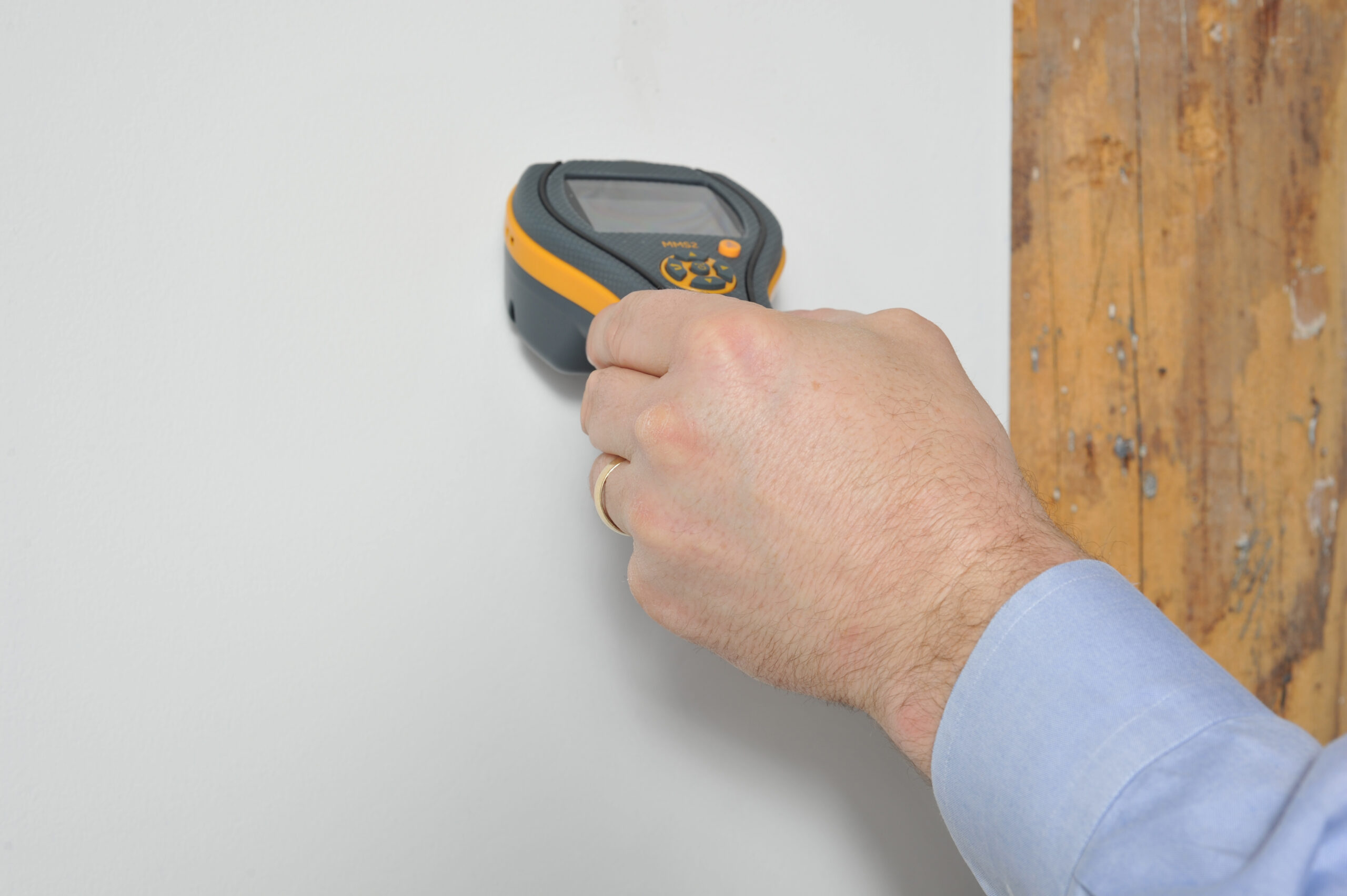
Moisture meters help identify damp materials behind walls or under flooring.
Thermal Imaging
Infrared tools can detect temperature differences that indicate hidden moisture.
Ventilation Evaluation
Airflow patterns, attic ventilation, and HVAC performance are reviewed to determine why moisture is accumulating.
This process helps pinpoint the root cause rather than treating only the visible damage.
Water Damage Restoration Process
When moisture damage is confirmed, restoration follows a structured approach.
Step 1: Source Correction
Ventilation problems are addressed first. This may involve improving attic airflow, repairing duct insulation, or correcting drainage or condensation issues.
Step 2: Drying and Dehumidification
Industrial air movers and dehumidifiers remove moisture from structural materials such as:
- Drywall
- Wood framing
- Insulation
- Flooring
Drying continues until moisture levels return to normal ranges.
Step 3: Cleaning and Treatment
Affected surfaces are cleaned and treated to prevent microbial growth and remove odors.
Step 4: Repairs and Restoration
If materials were damaged, repairs may include replacing drywall, insulation, or flooring in affected areas.
This step-by-step process ensures the home is not only dry but also protected from recurring problems.
Mold Risks When Ventilation Is Poor
Moisture that remains trapped inside walls or ducts can lead to mold growth within days in Florida’s climate.
Areas most at risk include:
- Attic spaces
- Duct insulation
- Closet corners
- Ceiling cavities
Mold inspection and testing may be recommended when odors or moisture readings suggest contamination.
Preventing mold often comes down to one key factor: removing moisture quickly and improving airflow.
HVAC Systems, Air Ducts, and Moisture
Air conditioning systems play a major role in ventilation and humidity control.
When ventilation is poor, HVAC systems may develop:
- Condensation buildup
- Clogged drain lines
- Damp duct insulation
- Reduced airflow
Air duct cleaning and system inspections are sometimes recommended when moisture or debris buildup affects performance or indoor air quality.
Homes across Rockledge and Merritt Island often experience similar HVAC-related moisture issues, especially during humid summers.
Preventing Ventilation-Related Water Damage
Homeowners can reduce the risk of moisture problems with a few practical steps:
- Inspect attic ventilation annually
- Replace HVAC filters regularly
- Check condensate drain lines
- Monitor indoor humidity levels
- Address condensation or odors promptly
Routine inspections help identify small problems before they become major repairs.
Prevention is often far less expensive than restoration.
Why Local Experience Matters
Water damage caused by poor ventilation behaves differently in Florida than in cooler climates. Homes in Palm Bay and surrounding Brevard County communities face:
- Long humid drying periods
- Frequent storms and moisture intrusion
- High attic temperatures
- Continuous AC usage
Professionals familiar with local conditions understand how these factors affect building materials and drying times.
Palm Bay Mold Removal has assisted homeowners across Palm Bay, Melbourne, Rockledge, and Titusville, addressing ventilation-related moisture problems and restoring homes affected by hidden water damage.
A Practical Next Step for Homeowners
Poor ventilation is easy to overlook, but its effects can become serious over time. If your home has persistent humidity, musty odors, or unexplained staining, a moisture inspection can help identify the cause early.
Addressing ventilation and moisture issues promptly protects your home, improves indoor air quality, and prevents costly structural repairs in the future.
Taking action early keeps small moisture problems from turning into major restoration projects—and helps ensure your home remains comfortable and healthy year-round.