How Moisture Detection Helps Homes in Melbourne in Commercial Buildings
Moisture problems don’t always make a dramatic entrance. In many commercial buildings around Melbourne, Florida, moisture builds quietly—behind walls, beneath flooring, or inside HVAC systems—long before anyone notices a visible stain or smell. By the time damage appears, repairs can be far more extensive than expected.
That’s where moisture detection becomes essential. Whether it’s an office building, retail space, medical facility, or multi-unit property, finding moisture early can prevent structural damage, mold growth, and costly disruptions.
Across Melbourne, Palm Bay, Rockledge, and nearby areas, property owners and managers rely on moisture detection as a practical step to protect buildings, maintain indoor air quality, and keep operations running smoothly.
What Moisture Detection Really Means
Moisture detection is the process of identifying hidden water or dampness inside building materials before it becomes visible damage.
Water can accumulate in:
- Drywall and insulation
- Concrete slabs
- Carpeting and padding
- Ceiling tiles
- HVAC systems and ductwork
In commercial buildings, moisture problems often go unnoticed because large spaces, ceiling cavities, and mechanical systems hide early warning signs.
Moisture detection tools help locate damp areas so they can be dried or repaired before mold or structural issues develop.
Why Moisture Problems Are Common in Melbourne Commercial Buildings
Melbourne’s climate plays a major role in moisture issues. Commercial properties in this region experience:
- High humidity throughout much of the year
- Heavy seasonal rains and tropical storms
- Air conditioning systems running constantly
- Large roof areas exposed to intense weather
- Frequent door openings that introduce humid air
Buildings in nearby Viera, Satellite Beach, and Cocoa Beach often deal with similar conditions, especially those close to the coast where salt air and humidity can affect materials and mechanical systems.
Flat roofs, common in commercial construction, are particularly vulnerable to slow leaks that allow water to enter gradually.
Common Signs Property Owners Notice
Moisture problems often start subtly. Early signs in commercial buildings may include:
- Musty odors in certain areas
- Ceiling stains or discoloration
- Warped baseboards or trim
- Peeling paint or bubbling drywall
- Increased indoor humidity
Another sign is air conditioning systems struggling to maintain comfortable humidity levels. This can indicate hidden moisture or airflow problems.
If these signs appear, moisture detection helps confirm the source and extent of the issue.
Hidden Sources of Moisture in Commercial Properties
Some moisture sources are easy to overlook, especially in larger buildings.
Common hidden causes include:
- Roof membrane leaks
- HVAC condensation problems
- Plumbing leaks inside walls
- Poorly sealed windows or doors
- Drainage issues around foundations
- Wet insulation in ceiling cavities
In Melbourne commercial spaces, air handlers and ductwork are frequent contributors to moisture problems, especially when condensate lines clog or airflow is restricted.
These issues can persist for months without visible symptoms.
Why DIY Moisture Checks Usually Miss the Problem
Property managers sometimes try to locate moisture by checking visible areas or using basic handheld tools. While helpful in some cases, this approach often misses deeper issues.
DIY limitations include:
- Inability to detect moisture behind walls
- No mapping of moisture spread
- Difficulty identifying entry points
- Inconsistent readings
Moisture often travels beyond the visible wet area, especially in concrete floors and wall cavities.
Professional moisture detection provides a more complete picture of the situation.
Professional Moisture Detection Explained
A thorough moisture inspection in commercial buildings usually follows a structured process.
Visual Inspection
Inspectors begin by examining areas where moisture commonly develops, including ceilings, mechanical rooms, and exterior walls.
Moisture Meter Testing
Meters measure moisture levels in drywall, flooring, and other materials to identify damp areas.
Thermal Imaging
Infrared imaging helps locate temperature differences caused by moisture behind surfaces.
HVAC and Duct Inspection
Air handlers, condensate lines, and duct systems are checked for moisture buildup or leaks.
Documentation and Recommendations
Findings are recorded so property owners know exactly where problems exist and what steps are needed to correct them.
This process allows targeted repairs rather than unnecessary demolition or guesswork.
Mold Risks When Moisture Goes Undetected
Moisture alone can damage building materials, but mold growth is often the bigger concern.
Mold can begin developing within 24 to 48 hours when moisture remains trapped in warm environments. In commercial buildings, mold growth may occur in:
- Ceiling cavities
- Carpeted offices
- Storage rooms
- HVAC systems
Once mold develops, spores can spread through ventilation systems, affecting multiple areas.
Moisture detection helps prevent these conditions before contamination spreads.
Water Damage Repair and Restoration
When moisture detection reveals significant water intrusion, restoration steps may be necessary.
These may include:
- Structural drying
- Dehumidification
- Removal of damaged materials
- Repairing leaks or drainage issues
Commercial properties benefit from early detection because repairs can often be limited to small areas instead of large sections of the building.
This reduces downtime and protects tenant operations.
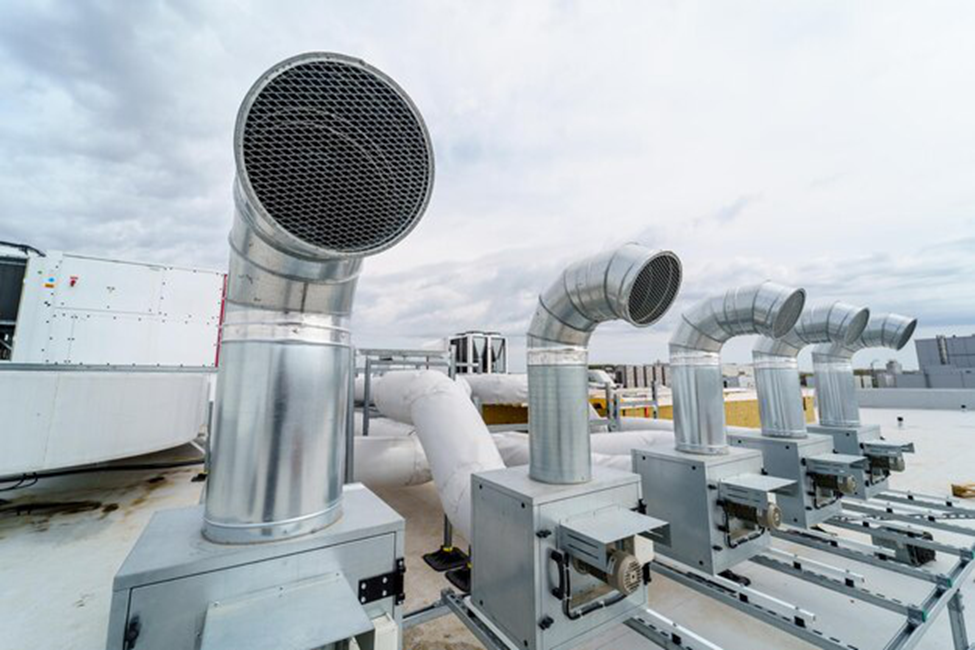
HVAC Systems and Moisture in Commercial Buildings
Air conditioning systems play a major role in moisture management.
In Melbourne commercial buildings, common HVAC-related moisture issues include:
- Condensate drain clogs
- Coil condensation buildup
- Duct insulation becoming damp
- Air leaks pulling humid air into systems
These conditions can lead to mold growth or indoor air quality complaints if not addressed promptly.
Routine inspections and moisture detection help keep HVAC systems operating efficiently.
How Moisture Detection Helps Prevent Future Problems
Moisture detection is not only useful after a leak—it’s also valuable as a preventive measure.
Regular inspections can help:
- Identify small roof leaks early
- Detect plumbing issues before damage spreads
- Monitor humidity in mechanical rooms
- Ensure HVAC systems are draining properly
Preventive detection is especially helpful in large commercial properties where problems may go unnoticed for long periods.
Why Local Experience Matters
Moisture problems in Florida behave differently than in cooler climates. Buildings in Melbourne and Palm Bay face:
- Long humid drying periods
- Frequent storms and heavy rainfall
- Continuous HVAC operation
- Coastal moisture conditions
Professionals familiar with Brevard County understand how these factors affect buildings and how to identify moisture sources quickly.
Palm Bay Mold Removal has assisted property owners across Melbourne, Rockledge, Viera, and surrounding communities, helping detect moisture issues early and prevent larger structural or mold-related problems.
A Practical Next Step for Property Owners
Moisture issues rarely improve on their own. Small leaks and condensation problems tend to grow worse over time, especially in humid environments like Melbourne.
Scheduling moisture detection after storms, roof repairs, or unexplained humidity changes helps ensure that hidden water doesn’t become a major repair project later.
Taking action early protects the building, reduces maintenance costs, and helps maintain a safe, comfortable environment for employees, tenants, and visitors.