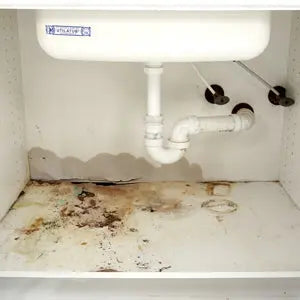
Mold Testing Services in Palm Bay After Plumbing Leaks: Warning Signs and Prevention
Plumbing leaks are one of the most common causes of mold problems in Palm Bay homes. A slow drip under a sink, a leaking supply line behind a wall, or a pipe that sweats in humid weather can quietly create enough moisture for mold to grow. Many homeowners don’t notice the issue until there’s a smell, staining, or damage that’s hard to ignore.
Over the years, properties across Palm Bay, Melbourne, and nearby areas like Rockledge and Merritt Island have shown the same pattern: a minor leak goes unnoticed, moisture builds up, and mold begins forming in hidden areas. Understanding the warning signs—and how mold testing works—helps homeowners take action before damage spreads.
What Mold Growth After Plumbing Leaks Really Means
When plumbing leaks occur, moisture often seeps into materials that hold water longer than people expect. Drywall, cabinets, insulation, and subflooring can stay damp for days or even weeks, especially in Florida’s humid climate.
Mold spores are naturally present in indoor air. Once surfaces stay damp, spores settle and begin growing. The growth may start in places you can’t easily see:
- Behind walls
- Under flooring
- Inside cabinets
- Beneath sinks
- Around baseboards
Mold testing helps confirm whether mold is present, how far it has spread, and what steps are needed to address it properly.
Why Plumbing Leaks Cause Mold So Often in Palm Bay
Palm Bay homes face several environmental factors that make leaks more likely to lead to mold:
- High humidity slows drying
- Warm temperatures speed mold growth
- Seasonal storms increase indoor moisture levels
- Air conditioning systems create condensation in enclosed spaces
In areas like Satellite Beach and Cocoa Beach, salt air and humidity can also accelerate corrosion in pipes and fittings, increasing the likelihood of small leaks developing over time.
Even newer homes in Viera sometimes experience mold problems when small plumbing issues go unnoticed in bathrooms, laundry rooms, or kitchens.
Warning Signs Homeowners Should Never Ignore
Mold caused by plumbing leaks often starts quietly, but there are early clues if you know what to look for.
Common warning signs include:
- Musty or damp odors near sinks or bathrooms
- Warped or swollen cabinets
- Peeling paint or bubbling drywall
- Discoloration near baseboards
- Persistent humidity in one area of the home
Another sign many homeowners notice is flooring that feels slightly soft or uneven near a plumbing fixture. That often indicates moisture has reached subfloor materials.
If any of these symptoms appear, testing can confirm whether mold is already developing behind surfaces.
Hidden or Overlooked Sources of Moisture
Not all plumbing leaks are obvious. Some of the most common hidden sources include:
- Slow drips inside walls
- Leaking dishwasher or refrigerator lines
- Washing machine hose seepage
- Shower pan leaks
- Pipe condensation in humid utility rooms
Homes in Titusville and Melbourne often have plumbing routed through attics or crawl spaces, where small leaks can go unnoticed for long periods.
Moisture detection during inspections helps locate these hidden issues before mold spreads further.
Why DIY Mold Testing Often Leads to Confusion
Store-bought mold testing kits seem simple, but they rarely give clear or useful answers.
Here’s why:
- Mold spores exist everywhere, so results can be misleading
- Kits don’t identify moisture sources
- Samples can be contaminated easily
- Interpretation requires experience
In many cases, homeowners end up unsure what the results mean or what steps to take next. Professional mold testing focuses not just on whether mold is present, but why it developed and how far it has spread.
Professional Mold Inspection and Testing Explained
Mold testing typically begins with a thorough inspection of the affected area.
A proper evaluation may include:
- Visual inspection of suspected leak areas
- Moisture readings in walls and flooring
- Thermal imaging to detect hidden damp areas
- Air or surface sampling when necessary
- Assessment of ventilation and humidity levels
Testing is especially helpful when mold isn’t visible but odors or moisture indicators suggest growth may be hidden behind surfaces.
Professionals familiar with Palm Bay conditions understand how humidity and building materials affect drying times and mold growth patterns.
Proper Mold Removal and Remediation Process
If testing confirms mold, remediation focuses on removing contamination and preventing recurrence.
The process generally includes:
- Containing affected areas
- Removing damaged materials when necessary
- Cleaning and treating surfaces
- Drying the structure thoroughly
- Addressing the original plumbing issue
Moisture control is the most important step. Without fixing the source, mold can return even after cleaning.
Flood Restoration and Water Damage Repair When Plumbing Leaks Spread
Some plumbing failures release large amounts of water quickly, especially in:
- Broken supply lines
- Water heater failures
- Washing machine hose bursts
When this happens, restoration steps may include:
- Water extraction
- Structural drying
- Dehumidification
- Monitoring moisture levels
- Repairing damaged flooring or drywall
Quick action is critical because mold can begin developing within 24–48 hours in warm, humid environments.
Air Ducts, AC Systems, and Secondary Mold Problems
One issue many homeowners don’t expect is how plumbing leaks can affect HVAC systems.
Moisture in walls or ceilings can migrate into:
- Return air cavities
- Duct insulation
- Air handler compartments
Once mold reaches these areas, spores can circulate through the home.
Air duct inspections may be recommended if mold contamination is suspected near HVAC components or if musty odors spread beyond the original leak area.
How to Prevent Mold After Plumbing Leaks
Prevention starts with early detection and routine maintenance.
Helpful steps include:
- Checking under sinks monthly
- Inspecting washing machine hoses regularly
- Replacing old supply lines proactively
- Monitoring humidity levels indoors
- Addressing leaks immediately
Installing water leak detection devices can also provide early alerts, especially in vacation homes or rental properties across Palm Bay and Merritt Island.
Drying affected areas thoroughly after any leak is one of the most effective ways to stop mold before it starts.
Why Local Experience Matters
Mold and moisture problems behave differently in Florida than in cooler climates.
Local professionals understand:
- How humidity affects drying time
- Which building materials are most vulnerable
- Common plumbing issues in regional home construction
- Seasonal moisture patterns across Brevard County
Palm Bay Mold Removal has worked with homeowners throughout Palm Bay, Melbourne, Rockledge, and surrounding communities, where similar plumbing-related mold issues appear year after year. That regional experience helps identify problems faster and recommend practical solutions that last.
A Practical Next Step for Homeowners
Plumbing leaks are one of those problems that seem small—until they aren’t. Catching moisture early, confirming conditions through proper testing, and drying materials thoroughly can prevent major repairs later.
If you notice odors, discoloration, or dampness near plumbing areas, having the situation inspected is often the safest course. Mold testing provides clarity, helps guide decisions, and ensures problems are handled correctly from the start.
Staying attentive to moisture is one of the simplest ways to protect a home in Palm Bay’s climate.