How Flood Restoration Helps Homes in Satellite Beach from AC Condensation
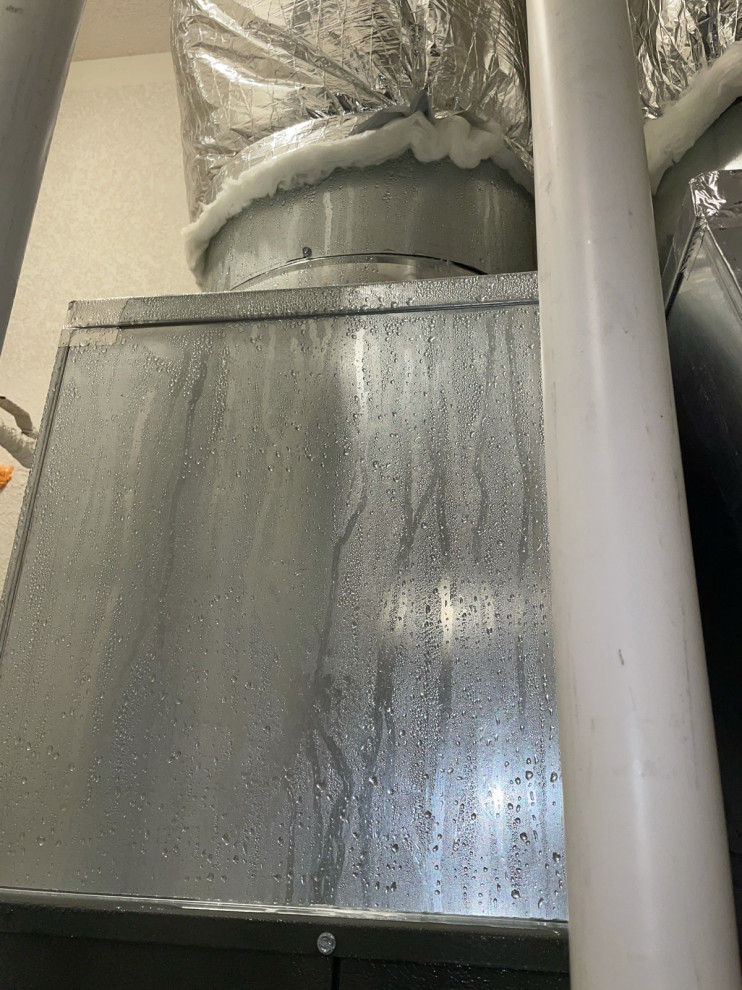
Most homeowners in Satellite Beach think of flooding as something that comes from storms or rising water, but in reality, some of the most common moisture damage starts indoors. Air conditioning systems run almost nonstop in coastal Florida, and condensation is a normal part of how they work. The problem begins when that moisture doesn’t drain properly.
Over time, slow condensation leaks can soak drywall, flooring, insulation, and even structural materials. That’s where flood restoration techniques—drying, moisture detection, and controlled remediation—play an important role in protecting homes from long-term damage.
Let’s walk through how this works and what homeowners should know.
What AC Condensation Damage Really Is
Air conditioners remove humidity from indoor air. Moisture collects on cold coils and drains through a condensate line. When everything works correctly, this process is harmless.
But when something goes wrong—like a clogged drain line or restricted airflow—water can begin to accumulate. Instead of dripping safely outside, moisture may:
- Collect in drain pans
- Leak into closets or wall cavities
- Soak insulation around air handlers
- Spread beneath flooring
Because this happens slowly, homeowners often don’t notice until odors or staining appear.
Why This Happens So Often in Satellite Beach
Satellite Beach homes face unique environmental conditions that increase condensation problems.
Common contributing factors include:
- High coastal humidity year-round
- Salt air affecting HVAC components
- AC systems running for long periods
- Warm attic spaces surrounding cold ducts
- Older duct insulation absorbing moisture
Nearby communities such as Melbourne, Palm Bay, and Rockledge experience similar issues, but coastal properties often dry more slowly because of constant humidity in the air.
Common Signs Homeowners Notice
Condensation-related water damage rarely begins with dramatic flooding. Instead, the warning signs are subtle at first.
Homeowners often notice:
- Musty smells near the AC closet
- Damp or soft drywall around air handlers
- Slight staining on ceilings near vents
- Warped baseboards or flooring
- Indoor humidity that feels unusually high
These early signs are important. Addressing them quickly often prevents larger repairs later.
Hidden or Overlooked Sources of Moisture
One of the biggest challenges with condensation problems is that moisture spreads behind surfaces.
Common hidden areas include:
- Under flooring near AC units
- Inside wall cavities around drain lines
- Attic insulation around ductwork
- Return air cavities pulling humid air
In coastal homes, condensation inside ductwork can also contribute to moisture problems, especially when ducts pass through hot attic spaces.
Why DIY Drying Usually Falls Short
It’s understandable to want to handle small leaks with towels, fans, or portable dehumidifiers. While these can help with surface moisture, they rarely solve deeper problems.
DIY drying often misses:
- Moisture trapped inside drywall
- Damp insulation
- Wet subfloors
- Hidden condensation inside ducts
Without proper moisture detection, materials may appear dry but still contain enough moisture to support mold growth.
Professional Mold Inspection and Testing Explained
When condensation damage is suspected, inspection is often the first step before restoration begins.
A proper inspection may include:
- Moisture mapping of walls and floors
- Infrared scanning to locate hidden damp areas
- Checking drain lines and air handler components
- Inspecting ductwork for condensation
Testing may be recommended if odors persist or if moisture has been present for an extended period. The goal is simply to understand the extent of the problem so it can be handled correctly.
How Flood Restoration Helps After AC Condensation
Flood restoration isn’t just for major storms. The same drying and moisture-control methods are extremely effective for condensation-related damage.
A typical restoration process includes:
Step 1: Moisture Detection
Technicians locate all damp areas using specialized meters and thermal imaging.
Step 2: Identifying the Source
Drain lines, duct insulation, and airflow issues are evaluated to stop the moisture at its origin.
Step 3: Water Removal and Drying
Air movers and dehumidifiers are used to remove trapped moisture from:
- Flooring
- Drywall
- Structural materials
Step 4: Monitoring
Moisture readings are checked regularly to confirm materials are drying properly.
Step 5: Final Verification
Once materials reach normal moisture levels, equipment is removed and repairs can begin if needed.
This process prevents long-term structural damage and reduces the risk of mold growth.
Air Ducts, AC Systems, and Mold Risk
Ductwork is one of the most common areas where condensation problems begin.
Risk factors include:
- Poorly insulated ducts
- Sagging flexible ducts where moisture collects
- Air leaks pulling humid attic air inside
- Restricted airflow causing cold spots
If ducts remain damp, dust and organic material can allow mold to develop. Air duct cleaning may be recommended when contamination is found.
Flood Restoration and Water Damage Repair
If condensation damage goes unnoticed, it can eventually lead to repairs beyond drying alone.
Restoration may include:
- Removing damaged drywall
- Replacing saturated insulation
- Repairing flooring or baseboards
- Treating affected surfaces
Homes in Satellite Beach sometimes require more thorough drying because coastal humidity slows evaporation compared to inland areas.
How to Prevent Future Damage in Coastal Homes
Preventing condensation damage is much easier than repairing it.
Homeowners can reduce risk by:
- Keeping AC drain lines clear
- Scheduling periodic HVAC inspections
- Ensuring attic ventilation is adequate
- Using dehumidifiers during humid months
- Addressing small leaks immediately
Simple maintenance steps often prevent larger problems from developing.
Why Local Experience Matters
Moisture behaves differently in coastal Florida than in many other parts of the country. High humidity, salt air, and long cooling seasons all influence how condensation forms and spreads.
Professionals familiar with Satellite Beach and surrounding areas like Palm Bay, Viera, and Cocoa Beach understand where problems typically occur and how to detect them early. Many homeowners rely on experienced local providers such as Palm Bay Mold Removal because familiarity with local conditions leads to more accurate inspections and effective restoration.
A Calm, Practical Next Step
AC condensation is normal, but lingering moisture isn’t. Paying attention to early warning signs and acting quickly helps homeowners avoid structural damage and mold issues.
Flood restoration techniques—especially moisture detection and controlled drying—provide a reliable way to restore affected areas and protect the home long-term. With proper maintenance and timely inspections, Satellite Beach homeowners can keep their homes dry, comfortable, and well protected despite the challenges of coastal humidity.