Melbourne Moisture Detection from AC Condensation: How to Prevent Future Damage
Air conditioning keeps Melbourne homes comfortable year-round, but it also produces something homeowners rarely think about—condensation. Most of the time, that moisture drains away harmlessly. But when it doesn’t, small hidden moisture problems can quietly develop into larger issues affecting flooring, drywall, ducts, and even indoor air quality.
Moisture detection is one of the most effective ways to prevent long-term damage. Understanding how condensation problems develop—and how they’re identified—helps homeowners act early and avoid costly repairs later.
What Moisture from AC Condensation Really Is
Every air conditioning system removes humidity from indoor air. As warm air passes over cold evaporator coils, moisture forms and is supposed to drain through a condensate line.
Problems begin when:
- Drain lines clog or slow down
- Drain pans overflow
- Airflow becomes restricted
- Humidity levels stay high for extended periods
When water doesn’t drain properly, it can soak nearby materials, including drywall, insulation, subfloors, and duct insulation. Because this moisture is often hidden, homeowners may not realize anything is wrong until odors or damage appear.
Why This Happens So Often in Melbourne Homes
Melbourne and nearby areas like Palm Bay, Rockledge, and Viera share environmental conditions that make condensation problems more common.
Key contributing factors include:
- High humidity for much of the year
- AC systems running daily for long hours
- Attics reaching high temperatures while ducts stay cold
- Older insulation or aging HVAC components
- Sudden storms increasing indoor humidity
Homes near the coast, including Satellite Beach and Cocoa Beach, often experience slower drying times because the air itself contains more moisture.
Common Signs Homeowners Notice
Condensation-related moisture problems often begin with subtle warning signs.
Homeowners frequently notice:
- A faint musty smell near vents or AC closets
- Slight discoloration around ceiling vents
- Walls or baseboards feeling cool or damp
- Humidity indoors that feels higher than usual
- Airflow that seems weaker in certain rooms
These signs don’t always indicate mold, but they do suggest moisture is present—and moisture is what leads to damage over time.
Hidden or Overlooked Sources of Moisture
One of the biggest challenges with condensation issues is that moisture is often hidden from view.
Common overlooked areas include:
- Behind air handler units
- Inside wall cavities near drain lines
- Beneath flooring near AC closets
- Around duct boots in ceilings
- Inside return air cavities
Slow leaks or condensation can go unnoticed for weeks, especially in areas that aren’t frequently inspected.
Why DIY Detection Usually Falls Short
It’s easy to assume that if you don’t see water, everything is fine. Unfortunately, moisture often spreads beneath surfaces where it isn’t visible.
DIY detection typically misses:
- Moisture trapped in insulation
- Damp drywall behind paint
- Wet subfloors under tile or carpet
- Condensation forming inside ducts
Professional moisture detection tools measure moisture levels inside materials, not just on surfaces. That difference often determines whether a problem is caught early or discovered after damage spreads.
Professional Mold Inspection and Testing Explained
When moisture is discovered, inspection helps determine whether mold growth is present or likely to develop.
A professional inspection may include:
- Moisture mapping of walls, ceilings, and floors
- Infrared scanning to locate hidden damp areas
- Checking HVAC components and ductwork
- Measuring indoor humidity levels
Testing is sometimes recommended when:
- Odors are present without visible growth
- Previous water damage occurred
- A property transaction requires documentation
The purpose is to understand the full picture so the right corrective steps can be taken.
Proper Moisture Detection and Drying Process
Moisture detection isn’t just about finding water—it’s about confirming that materials are completely dry before problems develop.
A typical process includes:
Step 1: Inspection and Moisture Mapping
Meters are used to identify damp areas and determine how far moisture has spread.
Step 2: Identifying the Source
Drain lines, ducts, insulation, or airflow issues are evaluated to locate the root cause.
Step 3: Drying and Dehumidification
Air movers and dehumidifiers may be used to dry affected areas.
Step 4: Monitoring Moisture Levels
Readings are taken over time to ensure materials return to normal moisture levels.
Step 5: Follow-Up Inspection
Final verification confirms that drying is complete and conditions are stable.
This structured approach prevents lingering moisture that can later lead to mold growth.
Flood Restoration and Water Damage Connections
Condensation problems sometimes develop after storms or water intrusion events. Elevated indoor humidity can remain long after visible water is gone.
In Melbourne and Titusville, heavy rains sometimes lead to:
- Attic moisture affecting ducts
- Elevated humidity indoors
- Damp insulation around HVAC components
Flood restoration, water removal, and drying often work together with moisture detection to ensure homes are fully restored.
Air Ducts, AC Systems, and Mold Risk
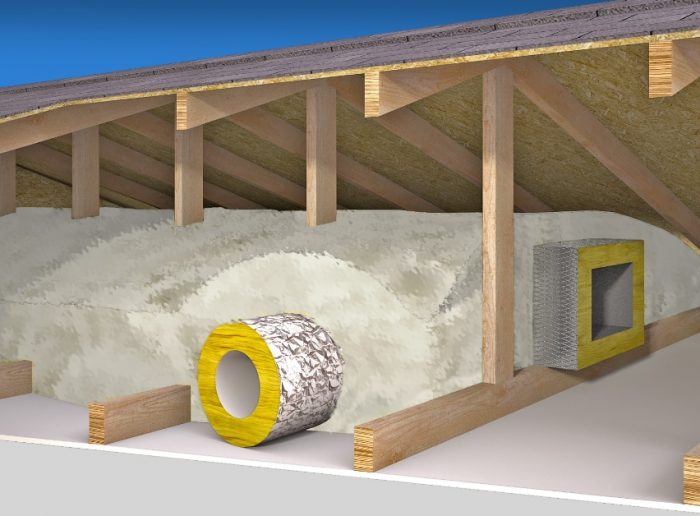
Ductwork is one of the most common places where condensation develops.
Areas most at risk include:
- Flexible ducts in hot attics
- Poorly insulated metal ducts
- Low spots where moisture collects
- Return air cavities near humid spaces
If ducts remain damp, mold spores can circulate through the home, affecting indoor air quality. Air duct cleaning may be recommended when contamination or buildup is present.
How to Prevent Future Moisture Damage in Melbourne Homes
Preventing condensation damage is usually straightforward when addressed early.
Helpful steps include:
- Keeping AC drain lines clean and clear
- Changing filters regularly
- Ensuring attic ventilation is adequate
- Scheduling periodic HVAC inspections
- Using dehumidifiers during extremely humid periods
Many homeowners are surprised how much difference simple humidity control makes in maintaining a dry, comfortable home.
Why Local Experience Matters
Moisture behavior in Florida homes is different from drier climates. High humidity, long cooling seasons, and coastal weather patterns all influence how condensation forms and spreads.
Professionals familiar with Melbourne and surrounding Brevard County communities understand these conditions and know where to look for early signs. Many homeowners rely on experienced local providers such as Palm Bay Mold Removal because familiarity with local construction styles and environmental conditions helps prevent recurring issues.
A Calm, Practical Next Step
Condensation inside AC systems is normal—but lingering moisture isn’t. Paying attention to early signs, scheduling inspections when needed, and ensuring proper drying after any water event helps prevent larger problems.
Moisture detection provides clarity. It identifies hidden dampness, confirms when materials are dry, and helps homeowners protect their property before minor issues turn into major repairs. With regular maintenance and attention to humidity levels, Melbourne homes can remain comfortable, dry, and healthy year-round.