Satellite Beach Mold Removal from Poor Ventilation: Costs, Causes, and Solutions
Poor ventilation is one of the most common reasons mold develops in coastal homes. In Satellite Beach, where warm air and humidity are part of everyday life, homes rely heavily on airflow to stay dry. When ventilation is limited—or stops working effectively—moisture begins to build up quietly in walls, ceilings, ducts, and crawl spaces.
Many homeowners are surprised to learn that mold problems often start not from flooding or leaks, but simply from trapped humid air. Understanding why this happens, what it costs to fix, and how to prevent it can make a significant difference in protecting a home.
What Mold from Poor Ventilation Really Means
Ventilation allows moist air to escape. Without it, humidity collects in enclosed spaces, creating ideal conditions for mold.
This often happens in:
- Bathrooms without proper exhaust fans
- Attics with blocked or insufficient vents
- Crawl spaces with poor airflow
- Closets on exterior walls
- Air ducts with restricted circulation
Over time, condensation forms on cooler surfaces such as drywall, wood framing, or duct insulation. Once moisture stays long enough, mold can begin to grow.
Why Poor Ventilation Is Common in Satellite Beach
Homes in Satellite Beach and nearby Cocoa Beach face a unique combination of environmental factors.
These include:
- High outdoor humidity year-round
- Salt air that accelerates wear on vents and seals
- Frequent storms that keep structures damp
- Tight building designs that reduce airflow
- Air conditioning systems running constantly
Even newer homes can develop ventilation issues if attic airflow or duct circulation isn’t balanced correctly.
Older homes in Merritt Island, Melbourne, and Rockledge often experience similar conditions, especially if original ventilation systems haven’t been upgraded.
Common Signs Homeowners Notice
Ventilation-related mold problems usually begin subtly. Many homeowners first notice changes that don’t immediately suggest mold.
Typical warning signs include:
- A musty smell in certain rooms
- Condensation on vents or windows
- Peeling paint in bathrooms or closets
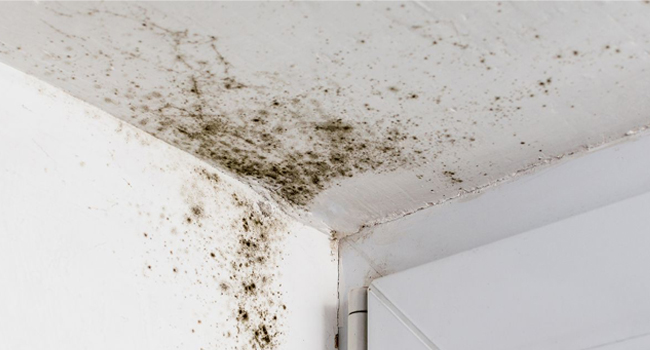
- Dark spotting near ceiling corners
- Rooms that feel humid even with AC running
These signs often appear gradually, which is why ventilation issues are easy to overlook.
Hidden or Overlooked Sources of Moisture
Poor ventilation affects areas homeowners rarely inspect.
Some of the most common hidden problem areas include:
- Attic insulation near roof decking
- Inside air ducts and returns
- Behind furniture placed against exterior walls
- Under flooring in enclosed rooms
- Inside wall cavities near bathrooms
In coastal climates, warm air carrying moisture moves into cooler parts of the home, causing condensation in unexpected places.
Without proper airflow, these damp areas remain wet for long periods.
Why DIY Mold Removal Usually Fails
Many homeowners attempt to clean visible mold themselves. While surface cleaning may improve appearance temporarily, it rarely solves the underlying issue.
DIY methods often fail because:
- The ventilation problem remains
- Moisture levels are not measured
- Hidden growth goes untreated
- Cleaning agents don’t reach porous materials
Unless airflow and humidity levels are corrected, mold tends to return.
Addressing the cause is always more important than cleaning the symptoms.
Professional Mold Inspection and Testing Explained
When ventilation-related mold is suspected, inspections focus on both moisture and airflow.
A thorough inspection typically includes:
- Measuring humidity levels in rooms and attics
- Checking air ducts and HVAC components
- Inspecting insulation and structural materials
- Identifying areas with restricted airflow
- Testing when growth is suspected
Moisture detection tools often reveal damp areas that aren’t visible to the eye.
In many homes across Satellite Beach and Palm Bay, inspections uncover ventilation problems that have existed for years without being noticed.
Proper Mold Removal and Remediation Process
When mold removal is necessary, the process is designed to remove contamination and prevent recurrence.
A typical remediation approach includes:
- Isolating affected areas
- Removing contaminated materials when needed
- Cleaning structural surfaces
- Drying the environment thoroughly
- Improving ventilation or airflow
Correcting ventilation issues is a critical step. Without it, mold can return even after thorough cleaning.
Flood Restoration and Water Damage Repair Considerations
While poor ventilation alone can cause mold, many homes experience a combination of humidity and past water intrusion.
Flood restoration and water damage repair may involve:
- Structural drying
- Moisture monitoring
- Flooring or drywall repair
- Leak detection
Homes in Titusville and Viera often experience similar recovery needs after heavy rains, particularly when ventilation is already limited.
Drying and airflow improvements often work together to restore indoor conditions.
Air Ducts, AC Systems, and Ventilation
Air conditioning systems play a major role in ventilation and humidity control.
Problems often develop when:
- Air filters are clogged
- Ducts are partially blocked
- Drain lines are restricted
- Airflow is unbalanced
When ducts remain damp or airflow is weak, humidity builds up and circulates through the home.
Routine duct inspections and cleaning can significantly improve indoor air conditions.
Costs Associated with Mold Removal and Ventilation Repairs
Costs vary depending on the extent of the problem, but homeowners should understand what influences pricing.
Factors include:
- Size of affected area
- Location of mold growth
- Materials requiring removal or repair
- Ventilation improvements needed
- Drying and inspection requirements
Minor issues may involve limited cleaning and ventilation adjustments, while larger problems may require more extensive remediation and repairs.
Early detection almost always reduces costs.
How to Prevent Ventilation-Related Mold
Preventive steps are straightforward and effective when done consistently.
Homeowners can reduce risk by:
- Running exhaust fans in bathrooms and kitchens
- Checking attic vents annually
- Replacing HVAC filters regularly
- Inspecting crawl spaces after storms
- Keeping indoor humidity under control
Improving airflow is one of the simplest and most effective ways to prevent mold growth.
Why Local Experience Matters
Coastal Florida homes behave differently than homes in dry climates. Humidity patterns, construction materials, and storm exposure all influence how moisture moves through a structure.
Professionals familiar with Satellite Beach, Cocoa Beach, Melbourne, and Merritt Island understand:
- Where ventilation problems typically develop
- How coastal humidity affects attics and ducts
- Which construction types are most vulnerable
Companies like Palm Bay Mold Removal often recognize these patterns quickly, helping homeowners identify issues early and avoid larger repairs.
A Calm, Practical Next Step
If you’ve noticed humidity, musty odors, or condensation in your Satellite Beach home, it’s worth taking a closer look at ventilation and moisture levels.
Mold caused by poor airflow often develops slowly, but it rarely stops on its own. Early inspection, proper drying, and improved ventilation can protect both your home and indoor air quality.
A careful, measured approach is usually all it takes to prevent small problems from turning into larger ones.