Moisture Detection in Merritt Island in Older Homes: What Homeowners Should Know
Older homes in Merritt Island have a lot of charm—solid construction, mature neighborhoods, and often larger lots than newer developments. But they also come with a reality many homeowners eventually face: hidden moisture.
Moisture problems don’t always show up as obvious leaks or puddles. Sometimes they develop slowly behind walls, under flooring, or inside attic spaces. By the time visible signs appear, the issue has often been present for months.
Understanding how moisture detection works and why it matters can help homeowners protect both their property and indoor air quality.
What Moisture Problems Really Are
Moisture intrusion isn’t always dramatic. In many homes, it begins with small issues:
- Condensation forming on ductwork
- Minor roof seepage during storms
- Slow plumbing leaks
- Humidity trapped in crawl spaces
In older homes especially, building materials may absorb moisture more easily than modern materials. Wood framing, insulation, and drywall can all hold moisture long after a leak stops.
This lingering dampness is what often leads to structural deterioration or mold growth.
Why This Happens So Often in Merritt Island
Merritt Island’s environment plays a major role in moisture problems.
Homes in this area deal with:
- High humidity most of the year
- Heavy seasonal rainfall
- Coastal air and salt exposure
- Storm-driven water intrusion
- Aging roofs, plumbing, and seals
Older homes in nearby Cocoa Beach, Rockledge, and Satellite Beach often share similar construction methods, which means they can develop similar moisture patterns.
Humidity alone can create problems even when there’s no active leak.
Common Signs Homeowners Notice
Many homeowners first become aware of moisture issues through small, easy-to-miss clues.
Some of the most common signs include:
- A persistent musty odor
- Warping baseboards or trim
- Paint bubbling or peeling
- Soft spots in drywall
- Condensation on vents or windows
These warning signs don’t always indicate major damage, but they do signal that moisture levels are higher than they should be.
Addressing the issue early is always easier than waiting.
Hidden or Overlooked Sources of Moisture
One of the biggest challenges with moisture problems is that the source is often hidden.
In older Merritt Island homes, moisture frequently originates from:
- Crawl spaces with poor ventilation
- Attic areas with inadequate airflow
- Aging duct insulation
- AC systems producing excess condensation
- Roof flashing or seal failures
Even landscaping can contribute. Improper drainage around the foundation can allow water to slowly seep into walls or slab edges.
Because these issues develop gradually, homeowners may not notice anything unusual until the effects become visible indoors.
Why DIY Moisture Detection Often Falls Short
Many homeowners try to locate moisture problems themselves, which is understandable. But moisture doesn’t always behave in predictable ways.
DIY methods often miss:
- Moisture trapped behind walls
- Damp insulation
- Subfloor moisture
- Slow leaks in concealed plumbing
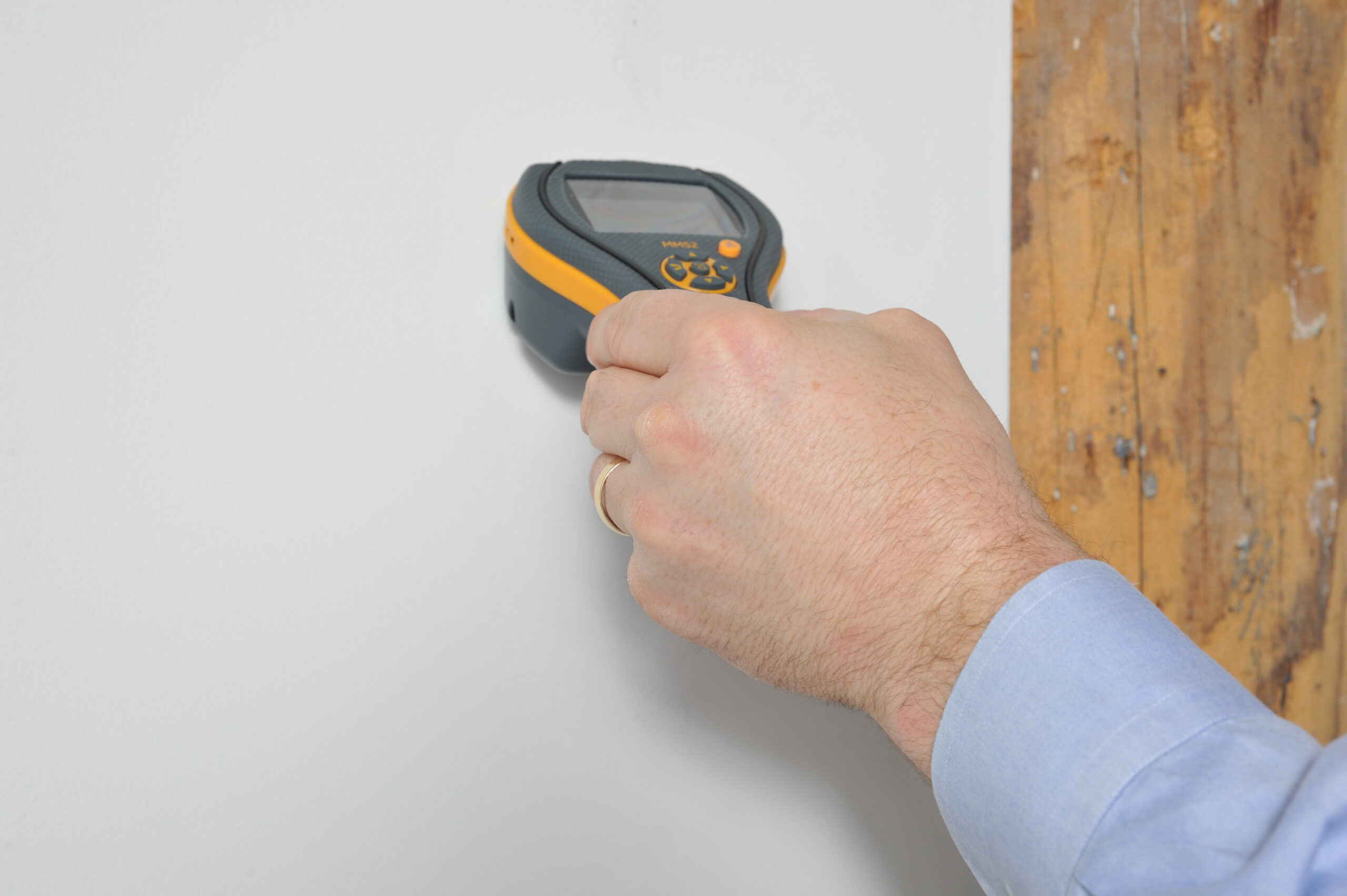
Surface inspections can only reveal part of the picture. Moisture detection equipment is designed to measure moisture levels inside materials, not just on the surface.
Without proper tools, it’s easy to misjudge how serious a problem really is.
Professional Moisture Detection Explained
A professional moisture detection process is more thorough than most people expect.
Inspections typically include:
- Checking walls, ceilings, and floors with moisture meters
- Inspecting attics and crawl spaces
- Evaluating HVAC systems and ductwork
- Identifying areas of humidity buildup
- Tracing potential leak sources
The goal isn’t just to find moisture—it’s to understand where it’s coming from and how long it has likely been present.
In many homes across Palm Bay and Merritt Island, inspections reveal issues that would otherwise remain hidden for years.
Mold Inspection and Testing When Needed
Moisture and mold are closely connected, but they are not always present together. That’s why inspections focus on moisture first.
If conditions suggest possible growth, further steps may include:
- Visual inspection of affected areas
- Surface or air testing when appropriate
- Identifying materials that may need remediation
Mold inspection and testing help determine whether cleanup or remediation is necessary, rather than assuming the worst.
This measured approach helps homeowners make informed decisions without unnecessary work.
Proper Mold Removal and Remediation
If moisture has been present long enough, mold remediation may be required.
A proper remediation process usually involves:
- Isolating affected areas
- Removing contaminated materials when necessary
- Cleaning structural surfaces
- Drying the area thoroughly
- Addressing the moisture source
Simply cleaning visible mold rarely solves the problem if moisture is still present.
Addressing the cause is always the most important step.
Water Damage Repair and Flood Restoration
Older homes are particularly vulnerable to water damage after storms or plumbing failures.
Flood restoration and water damage repair may include:
- Water extraction
- Structural drying
- Moisture monitoring
- Flooring and drywall assessment
- Leak detection and repairs
Homes in Viera and Titusville often experience similar restoration needs after heavy rains or seasonal storms.
Drying a home properly is one of the most effective ways to prevent future mold issues.
Air Ducts, AC Systems, and Hidden Moisture
Air conditioning systems are essential in Florida, but they can also contribute to moisture problems if not maintained.
Common issues include:
- Condensation inside ducts
- Blocked drain lines
- Dirty evaporator coils
- Poor airflow
Older duct systems may have insulation that absorbs moisture, allowing damp conditions to persist even after repairs are made.
Regular inspections can prevent small HVAC moisture issues from turning into larger problems.
How to Prevent Moisture Problems in Older Homes
Preventive maintenance goes a long way, especially in coastal environments.
Helpful steps include:
- Inspecting roofs annually
- Keeping gutters and drainage clear
- Monitoring indoor humidity levels
- Scheduling periodic moisture inspections
- Checking crawl spaces and attics after storms
Even small maintenance habits can significantly reduce the risk of long-term damage.
Why Local Experience Matters
Moisture behaves differently in Florida than it does in drier climates. Construction styles, materials, and environmental conditions all influence how water moves through a home.
Professionals familiar with Brevard County homes understand:
- How coastal humidity affects insulation and framing
- Where older homes typically develop moisture pockets
- Which areas of homes are most vulnerable after storms
Companies like Palm Bay Mold Removal often encounter similar patterns across Merritt Island, Cocoa Beach, Melbourne, and surrounding communities, which helps them identify issues more quickly and accurately.
Experience with local conditions makes inspections more precise and solutions more effective.
A Calm, Practical Next Step
If you own an older home in Merritt Island, periodic moisture detection is one of the simplest ways to prevent larger problems later.
Moisture issues rarely improve on their own. But when identified early, they are usually manageable and far less disruptive.
Taking a proactive approach—especially after storms or plumbing repairs—can help protect your home’s structure, air quality, and long-term value.