Water Damage Restoration Services in Cocoa Beach in Rental Properties: Early Signs You Should Not Ignore
Rental properties in Cocoa Beach face unique challenges when it comes to water damage. Between coastal humidity, heavy seasonal rains, and the constant use of plumbing and air conditioning, moisture problems can develop quickly—sometimes without being noticed right away.
For landlords and property managers, recognizing early warning signs is critical. Water damage that starts small can quietly spread into walls, flooring, and insulation. By the time visible damage appears, repairs may already be more extensive than expected. Understanding what to watch for and how restoration works can help prevent long-term problems and protect both the property and its value.
What Water Damage Restoration Means in Rental Properties
Water damage restoration is the process of removing water, drying structural materials, and repairing areas affected by moisture.
In rental homes, restoration often includes:
- Water extraction
- Moisture detection
- Structural drying
- Cleaning and sanitation
- Repair of drywall, flooring, or insulation
- Mold prevention or remediation if needed
Because tenants may not always notice or report minor leaks immediately, restoration in rental properties often involves addressing damage that has been developing quietly over time.
Why Water Damage Happens Frequently in Cocoa Beach Rentals
Rental homes in Cocoa Beach are exposed to several factors that increase moisture risks:
- Coastal humidity that slows drying
- Heavy rains and tropical storms
- Plumbing fixtures used frequently by multiple occupants
- Air conditioning systems running for long periods
- Older construction in some rental properties
Nearby communities such as Satellite Beach, Merritt Island, and Melbourne experience similar conditions, particularly in properties close to the coast where humidity levels remain high most of the year.
In some cases, small plumbing leaks or AC condensation can go unnoticed between tenant inspections, allowing moisture to spread.
Early Signs You Should Not Ignore
Water damage rarely begins with dramatic flooding. More often, the first warning signs are subtle.
Landlords and tenants may notice:
- Musty or damp odors
- Water stains on ceilings or walls
- Warped baseboards or flooring
- Peeling paint or bubbling drywall
- Damp carpet or rugs
- Increased indoor humidity
These signs often indicate moisture trapped inside building materials rather than surface water alone.
Addressing these issues early helps prevent more extensive restoration work later.
Hidden Moisture Areas in Rental Homes
One of the biggest challenges in rental properties is that moisture often develops in areas that are rarely inspected.
Common hidden moisture locations include:
- Inside wall cavities
- Beneath flooring or carpet padding
- Around water heaters or laundry areas
- Attic insulation after roof leaks
- HVAC ducts and air handlers
Because tenants may not access these areas regularly, problems can remain unnoticed until odors or visible damage appear.
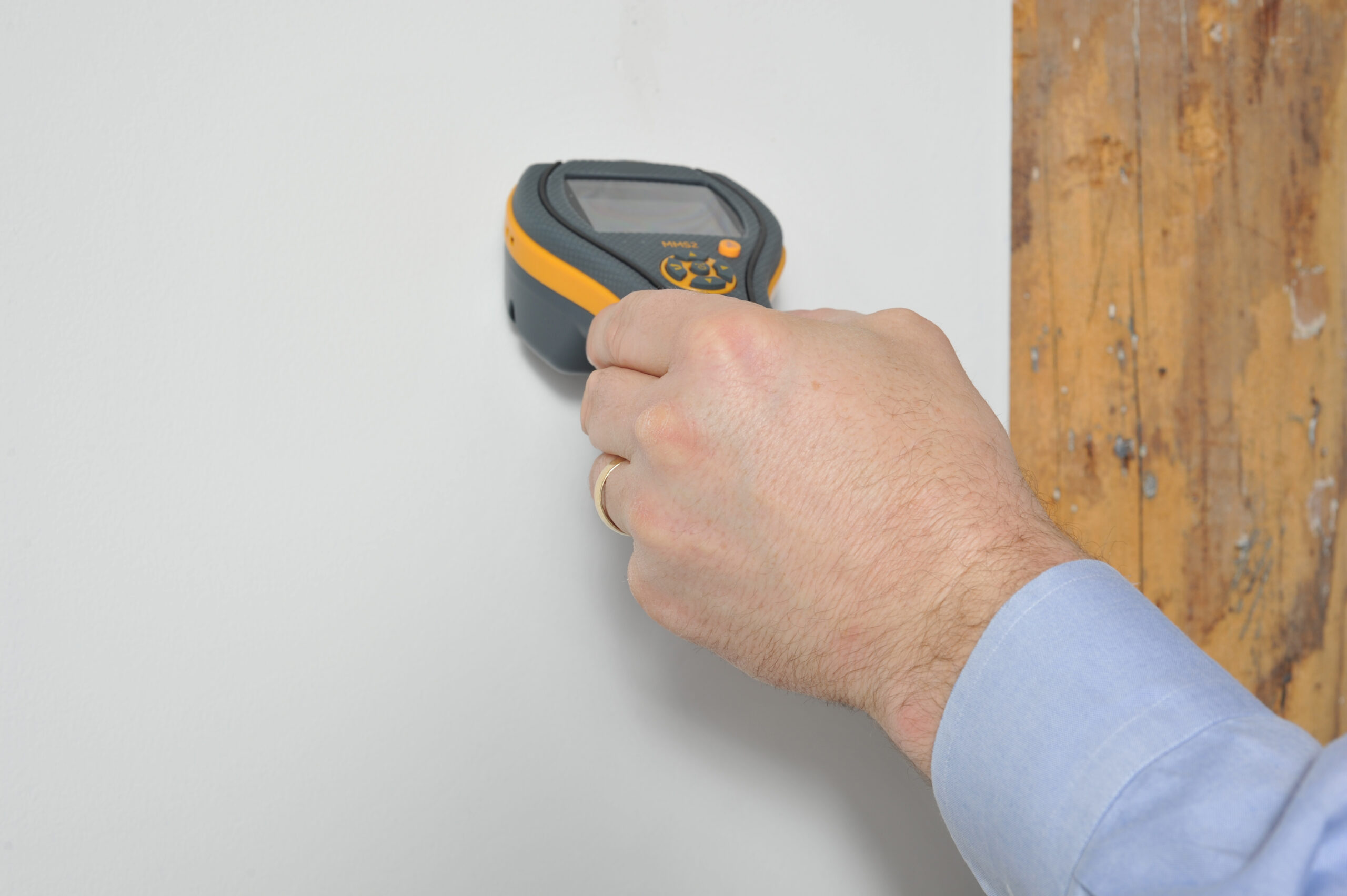
Moisture detection tools are often necessary to locate hidden dampness and confirm when a property is fully dry.
Why DIY Cleanup Often Falls Short
Tenants sometimes attempt to clean or dry areas themselves, which may help temporarily but rarely solves the underlying problem.
DIY cleanup often misses:
- Moisture trapped in subfloors
- Damp insulation
- Humidity pockets behind walls
- Water that has spread beyond the visible area
Household fans and small dehumidifiers usually cannot dry structural materials thoroughly in Florida’s humid climate.
Incomplete drying is one of the most common reasons mold develops weeks after a leak or water event.
Professional Moisture Inspection and Restoration Explained
A professional water damage restoration process typically follows a structured approach.
Technicians usually:
- Inspect the property and locate affected areas
- Extract standing water if present
- Use air movers and dehumidifiers to dry materials
- Monitor moisture levels daily
- Clean and sanitize affected surfaces
- Repair or replace damaged materials
In Cocoa Beach and surrounding Brevard County communities, companies such as Palm Bay Mold Removal often combine restoration with mold inspection and moisture detection to ensure the entire property is dry and safe before repairs are completed.
This approach helps prevent recurring issues in rental properties.
Mold Risks After Water Damage
Warm temperatures and high humidity create conditions where mold can develop quickly if moisture remains.
Mold commonly forms in:
- Drywall and insulation
- Carpet and padding
- Wood framing
- Duct insulation
Early drying and proper restoration significantly reduce the risk of mold growth. If mold is already present, remediation may be required to remove affected materials and restore safe conditions.
HVAC Systems and Moisture in Rental Properties
Air conditioning systems are one of the most overlooked sources of moisture in rental homes.
Common issues include:
- Condensation buildup
- Clogged drain lines
- Moisture inside ducts
- Reduced airflow increasing humidity
Regular HVAC inspections and duct maintenance help prevent these problems and improve indoor air quality for tenants.
How Property Owners Can Prevent Future Water Damage
Preventive maintenance is one of the most effective ways to reduce water damage risks in rental properties.
Property owners can:
- Schedule regular plumbing inspections
- Inspect roofs and flashing annually
- Maintain gutters and drainage systems
- Service HVAC systems regularly
- Monitor indoor humidity levels
- Conduct periodic moisture inspections between tenants
Routine inspections often detect small issues before they become costly repairs.
Why Local Experience Matters
Water damage restoration in coastal Florida requires an understanding of humidity, building materials, and storm patterns.
Homes in Cocoa Beach, Palm Bay, and Rockledge often experience:
- Slower drying times due to humidity
- Moisture spreading through building materials
- Condensation issues in attic duct systems
- Seasonal storm-related water intrusion
Professionals who regularly work in these areas understand how moisture behaves locally and how to dry structures thoroughly.
This local knowledge helps ensure restoration is effective and long-lasting.
A Practical Next Step for Property Owners
Water damage in rental properties doesn’t always begin with obvious flooding. Often, it starts quietly—with humidity, condensation, or small leaks that go unnoticed. Recognizing early signs and responding quickly helps protect both the property and the tenants living in it.
Prompt restoration, proper drying, and preventive maintenance help rental homes in Cocoa Beach remain safe, comfortable, and structurally sound for years to come.