Step-by-Step Process Explained: Carpet Cleaning After Flooding in Merritt Island from AC Condensation
If you’ve ever walked into a room in Merritt Island and thought, “Why does the carpet feel… weirdly cool and damp?”—you’re not imagining things. In coastal Brevard County, AC condensation can quietly soak carpet and padding without a single “flood” moment. No dramatic pipe burst. No ankle-deep water. Just steady moisture from an overflowing drain line, a clogged condensate pipe, a cracked drain pan, or duct sweat that keeps dripping like it pays rent.
And here’s the problem: carpet and padding act like a sponge. Once they’re wet, they hold moisture close to the subfloor—exactly where mold and odor love to set up shop. The fix isn’t just “run a fan and hope.” The fix is a real process: moisture detection, extraction, cleaning, drying, and prevention.
Let’s break it down step-by-step like a local would—because what works in a dry climate doesn’t always work in Merritt Island humidity.
What “Flooding from AC Condensation” Actually Is
This type of “flooding” usually means water from your HVAC system ends up where it shouldn’t:
- Condensate drain line clog (super common)
- Drain pan overflow near the air handler
- Disconnected drain line dripping into a closet or hallway
- Duct condensation (ducts sweating) that drips onto carpet edges
- Improper insulation on ducts or boots causing moisture buildup
Homes in Merritt Island, Satellite Beach, Cocoa Beach, and even inland areas like Rockledge and Melbourne see this a lot—because AC runs hard and humidity stays high.
Why This Happens So Often in Merritt Island Homes
Merritt Island homes fight a few moisture “boosters” all at once:
- Humid coastal air that slows drying
- Attics and closets that trap heat
- HVAC systems running long cycles
- Ductwork routed through warm attic space
- Older homes with less ventilation and older drain setups
Even if you’re careful, AC condensation issues can sneak up—especially in utility closets, hallways, and rooms near the air handler.
Early Warning Signs You Shouldn’t Ignore
If you catch it early, carpet can often be saved. Ignore it, and the odds drop fast.
Watch for:
- Carpet that feels damp, cool, or spongy
- A musty smell that gets stronger when the AC turns on
- Wet baseboards or darker carpet edges near walls
- Discoloration or staining near supply vents
- Increased indoor humidity (that sticky feeling)
- Small puddles near the air handler closet or drip line exit
If you’re in a rental property, this is where property managers should pay attention—tenants may not report “slightly damp carpet” until it becomes “why does my room smell like a swamp?”
Hidden Moisture Spots Most People Miss
AC-related moisture doesn’t always soak the middle of the room. It often creeps along edges.
Common hidden trouble spots:
- Carpet padding (almost always wetter than the carpet surface)
- Subfloor seams (water spreads along joints)
- Behind baseboards
- Under furniture legs (traps moisture)
- Adjacent rooms (water wicks through)
This is why moisture detection matters. Guessing is how people end up replacing carpet twice.
Why DIY Carpet Drying Usually Fails Here
Running fans helps… a little. But in Merritt Island humidity, surface drying can trick you. The carpet might feel dry while the padding stays wet underneath.
DIY usually falls short because:
- Household fans don’t pull moisture out of padding well
- Small dehumidifiers can’t keep up with Florida humidity
- People skip moisture checks and re-wet the area later
- The AC keeps running, adding more condensation if the source isn’t fixed
Bottom line: if the AC is still leaking or sweating, you’re drying a floor while a faucet is still dripping. Fun.
Step-by-Step: Carpet Cleaning After Flooding from AC Condensation
Step 1: Stop the Moisture at the Source (Immediately)
Before cleaning starts, the water source has to stop:
- Clear the condensate drain line
- Check drain pan and safety switch
- Inspect the air handler area for overflow
- Look for duct sweat and insulation gaps
If you skip this, you’ll be right back here tomorrow. This is also where moisture detection and water leak detection overlap—because the “leak” is often HVAC-related, not plumbing.
Step 2: Moisture Detection and Mapping
Next, you map what’s wet—visible and hidden:
- Moisture meter checks across the carpet surface and edges
- Padding saturation assessment
- Subfloor readings (especially at seams and near walls)
- Humidity readings in the room and near the air handler/duct runs
This step prevents two expensive mistakes:
- drying too small an area, and
- tearing out carpet that could’ve been saved.
Step 3: Water Extraction (Even If It “Doesn’t Look Flooded”)
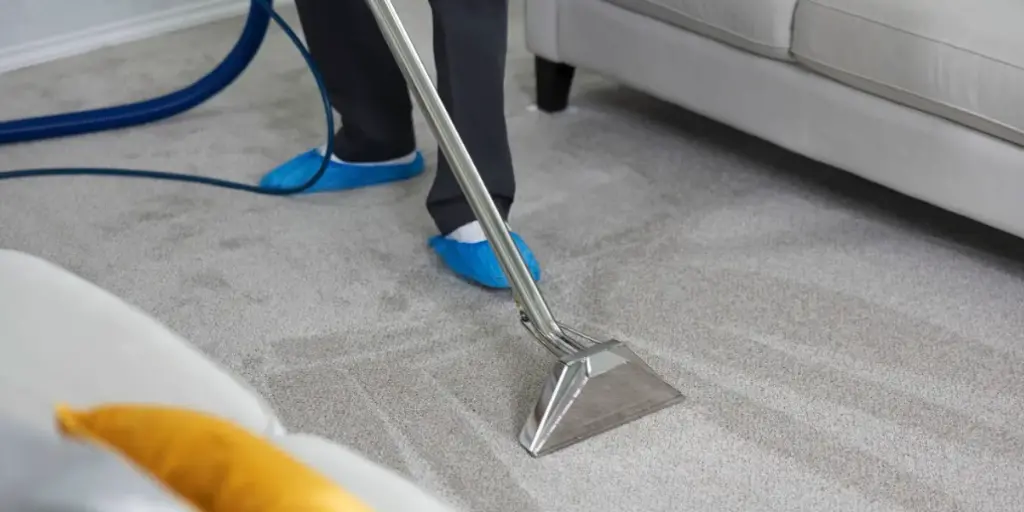
Extraction is not optional if carpet and padding are wet. Professionals use high-powered extraction equipment that pulls water from deep inside the fibers.
- Multiple extraction passes are common
- Edges and corners get extra attention
- Water is removed before any “cleaning” happens
If a company starts “cleaning” without extraction, that’s like washing a sponge that’s still dripping wet. You’re not fixing moisture—you’re spreading it.
Step 4: Decide: Save the Padding or Replace It
This is the make-or-break moment.
Padding may be salvageable if:
- Wetness is minor and caught early
- Water is clean condensation (not contaminated floodwater)
- Moisture readings drop quickly with drying
Padding usually needs replacement if:
- It’s heavily saturated
- It smells musty already
- It stayed wet too long
- The subfloor is wet underneath
In many Merritt Island cases, carpet can be saved but padding gets replaced. It’s not glamorous, but it works.
Step 5: Professional Cleaning and Sanitizing
Once extraction is done and padding decisions are made, cleaning starts:
- Hot water extraction (steam cleaning) or low-moisture method depending on material
- Targeted treatment for odors and organic residues
- Sanitizing the affected zone (especially carpet backing edges)
This is also where mold inspection and mold testing may be recommended if moisture sat for days or odors are strong. A local team like Palm Bay Mold Removal may bundle moisture detection, mold inspection, and remediation planning when needed—without making it a sales circus.
Step 6: Structural Drying Setup (The Real “Restoration” Part)
Drying isn’t just “air blowing.” It’s controlled drying:
- Air movers aimed to lift carpet nap and move airflow across damp zones
- Dehumidifiers sized for the space (big difference)
- Sometimes negative air setup if there are odor or mold concerns
- HVAC system adjustments so it helps drying (not adding moisture)
In coastal towns like Merritt Island and Cocoa Beach, drying often takes longer than homeowners expect because the outside air is already humid. That’s why controlled dehumidification is key.
Step 7: Daily Moisture Monitoring
Good restoration includes ongoing checks:
- Carpet and padding moisture readings
- Subfloor readings to confirm it’s truly dry
- Humidity levels tracked until stabilized
This is how you avoid “it seemed fine” turning into “why is the smell back?” a week later.
Step 8: Repairs and Prevention Fixes
Once everything is dry and cleaned, prevention starts:
- Flush and maintain the condensate drain line
- Install/verify a condensate safety switch
- Improve duct insulation where sweating occurs
- Seal duct leaks pulling humid attic air
- Check attic ventilation and insulation levels
- Consider a maintenance schedule for AC moisture issues
If your home is older (common in Merritt Island), these steps matter even more. Small upgrades can prevent repeat carpet damage.
How to Prevent This from Happening Again
Here’s the real homeowner checklist:
- Replace filters regularly (airflow matters)
- Flush condensate drain line seasonally
- Keep the air handler area dry and visible (no storage blocking it)
- Watch for duct sweat near vents and boots
- Use a humidity monitor—aim for comfortable indoor levels
- Schedule periodic moisture detection inspections if you’ve had repeat issues
If you own rentals in Viera or Rockledge too, this is smart prevention across properties—because AC condensation doesn’t care who owns the house.
Calm Next Step
If your carpet got wet from AC condensation, don’t wait for it to “maybe dry.” In Merritt Island humidity, moisture tends to linger, and lingering moisture is how you end up with odors, swelling baseboards, and mold problems later.
A proper step-by-step approach—stop the source, detect moisture, extract, clean, dry, verify—gives you the best chance to save the carpet and protect the home long-term.