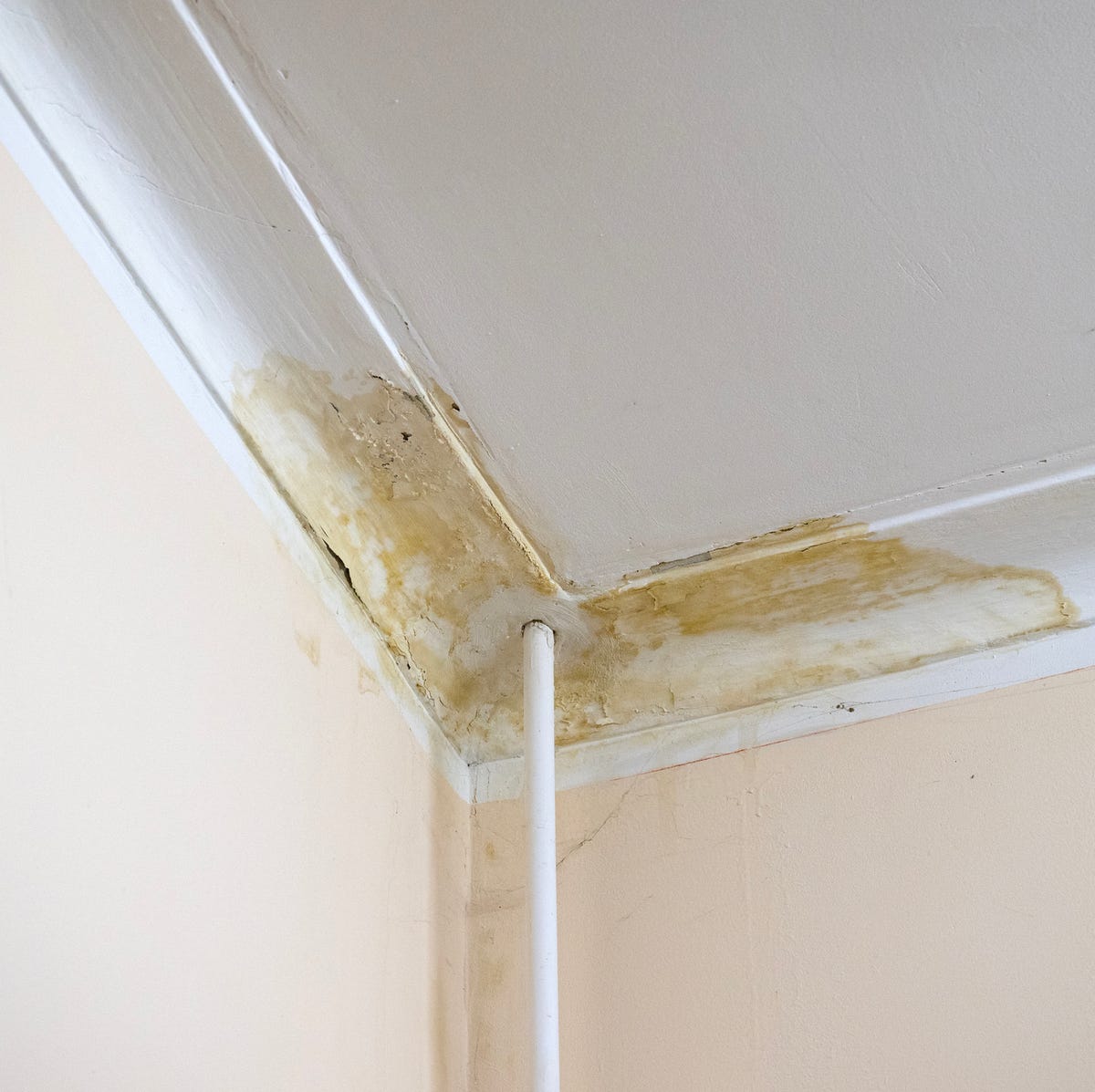
Mold Inspection in Cocoa Beach During Rainy Season: How to Prevent Future Damage
Rainy season in Cocoa Beach brings cooler breezes, greener landscapes, and—unfortunately—higher moisture levels inside homes. With frequent afternoon storms, saturated soil, and humidity that seems to linger in the air, conditions become ideal for mold growth, especially in areas that don’t dry quickly.
That’s why mold inspection becomes particularly important during the rainy months. Inspections help identify moisture problems early, prevent structural damage, and reduce the likelihood of mold spreading through walls, ceilings, and HVAC systems.
Understanding how mold inspections work and how to prevent future damage helps homeowners stay ahead of problems instead of reacting to them later.
What Mold Inspection Really Means
Mold inspection is a detailed evaluation of a home to identify conditions that allow mold to grow and to locate any existing mold, visible or hidden.
A typical inspection focuses on:
- Walls and ceilings
- Attics and insulation
- Bathrooms and kitchens
- HVAC systems and ductwork
- Flooring and subfloors
- Areas near windows, doors, and plumbing
In Cocoa Beach, inspections often concentrate on moisture-prone areas because mold almost always follows water or humidity.
Why Rainy Season Increases Mold Risk in Cocoa Beach
During the rainy season, several environmental factors combine to increase mold risk:
- Frequent rainstorms and high humidity
- Slower drying of building materials
- Increased condensation inside homes
- Roof or window leaks during storms
- Damp attic insulation
Homes in nearby Satellite Beach, Merritt Island, and Melbourne experience similar conditions, particularly in properties with limited ventilation or older roofing systems.
Humidity alone can create enough moisture for mold to develop, even when there is no visible leak.
Common Signs Mold May Be Developing
Mold often begins growing long before it becomes obvious. Early signs may include:
- Musty odors, especially after rain
- Dark spots near vents or ceilings
- Peeling paint or bubbling drywall
- Damp or humid indoor air
- Discoloration around windows or baseboards
These warning signs don’t always mean mold is widespread, but they do indicate that moisture conditions need to be evaluated.
Early inspection often prevents larger remediation projects.
Hidden Areas Mold Often Develops During Rainy Season
Some of the most common mold-prone areas are also the least visible.
Inspectors frequently find moisture or mold in:
- Attic insulation after roof leaks
- Inside wall cavities near windows
- Around air conditioning ducts
- Under flooring in damp areas
- Behind cabinets or appliances
Rainy weather increases humidity in attic spaces, which can keep insulation and wood framing damp for extended periods.
Without inspection, these areas may remain unnoticed until damage becomes significant.
Why DIY Mold Checks Often Miss Problems
Homeowners often look for visible mold, but mold frequently develops behind surfaces or inside materials.
DIY checks often miss:
- Mold inside insulation
- Moisture behind drywall
- Condensation in duct systems
- Elevated humidity in enclosed spaces
Professional inspections use moisture meters and other tools to identify conditions that allow mold to grow—even when mold itself isn’t yet visible.
This early detection is one of the most effective ways to prevent long-term damage.
Professional Mold Inspection and Testing Explained
A thorough mold inspection during rainy season usually follows several steps.
Inspectors typically:
- Perform a visual inspection of interior and exterior areas
- Measure moisture levels in walls and ceilings
- Inspect attics and roof decking
- Evaluate HVAC systems and ductwork
- Identify areas where water may be entering
These steps help determine whether mold is present and what conditions are contributing to moisture.
In Cocoa Beach and surrounding Brevard County communities, companies such as Palm Bay Mold Removal often combine mold inspection with moisture detection and ventilation assessments to help homeowners address the root causes of mold growth.
Mold Removal and Remediation When Necessary
If mold is discovered, remediation may be required to remove affected materials and prevent spread.
A proper remediation process usually includes:
- Identifying and correcting the moisture source
- Isolating affected areas
- Removing contaminated materials when necessary
- Cleaning and treating surfaces
- Verifying moisture levels are safe
Addressing the moisture source is the most important part of the process, because mold cannot grow without moisture.
Water Damage and Moisture Issues During Rainy Season
Rainy weather often contributes to minor water intrusion that homeowners may not notice right away.
Moisture may enter through:
- Roof flashing or shingles
- Window seals
- Exterior wall cracks
- Overflowing gutters
- Poor drainage around foundations
Even small leaks can create conditions where mold begins developing within days if materials remain damp.
Prompt drying and repair prevent these problems from escalating.
HVAC Systems, Ventilation, and Mold Risk
Air conditioning systems play a major role in controlling humidity, but they can also contribute to mold problems if not maintained.
Common issues include:
- Condensation forming in ducts
- Clogged drain lines
- Damp air handlers
- Poor attic ventilation trapping humidity
Regular HVAC maintenance and duct inspections help reduce moisture buildup and improve indoor air quality.
How to Prevent Future Mold Damage
Preventing mold during rainy season is often easier than removing it later.
Homeowners in Cocoa Beach can reduce risk by:
- Inspecting roofs and flashing annually
- Cleaning gutters regularly
- Maintaining attic ventilation
- Servicing HVAC systems
- Monitoring indoor humidity levels
- Scheduling periodic mold inspections
Small preventive steps can significantly reduce the likelihood of mold growth.
Why Local Experience Matters
Mold behavior in coastal Florida differs from that in drier climates. High humidity, salt air, and frequent rainstorms create conditions where moisture accumulates quickly and drying takes longer.
Professionals who regularly work in Cocoa Beach, Satellite Beach, and Rockledge understand:
- Seasonal humidity patterns
- Common leak points in coastal homes
- Ventilation challenges in attic spaces
- Drying methods suited to Florida conditions
Local knowledge helps ensure inspections are thorough and prevention strategies are effective.
A Practical Next Step for Homeowners
Rainy season doesn’t have to mean mold problems. With regular inspections, proper ventilation, and prompt repairs, homes in Cocoa Beach can remain dry and healthy even during periods of heavy rainfall.
Mold inspection provides peace of mind, helps identify hidden moisture, and prevents small issues from becoming costly repairs. Acting early is one of the best ways to protect both your home and indoor air quality for the long term.