Rockledge Water Damage Restoration After Water Damage: Warning Signs and Prevention
Water damage has a way of starting small and quietly. A minor leak under a sink, condensation in an attic, or water intrusion after a heavy storm might not seem serious at first. But in Rockledge, where humidity stays high and storms are common, even small moisture problems can grow quickly if they aren’t handled properly.
Water damage restoration isn’t just about drying visible water. It’s about finding hidden moisture, preventing mold, and protecting the structure of the home long term. Understanding the warning signs and prevention steps can make a significant difference for homeowners.
What Water Damage Restoration Really Means
Water damage restoration is the process of returning a property to a dry, safe condition after water intrusion. It involves more than just removing standing water.
A complete restoration typically includes:
- Moisture detection
- Water extraction
- Structural drying
- Cleaning and sanitation
- Repair of damaged materials
- Mold prevention or remediation if necessary
In Rockledge homes, restoration often focuses on areas where moisture hides—subfloors, insulation, attic spaces, and duct systems.
Why Water Damage Happens So Often in Rockledge
Rockledge homes experience water damage for several common reasons:
- Heavy seasonal rains and thunderstorms
- Roof leaks during storms
- Plumbing failures or slow leaks
- High humidity causing condensation
- AC systems producing excess moisture
- Poor attic ventilation
Homes in nearby communities like Melbourne, Viera, and Titusville experience many of the same issues, especially in older homes where insulation and ventilation may not meet modern standards.
Florida’s climate plays a major role. Warm air holds more moisture, and when that air cools inside a home, condensation can form on cooler surfaces like ducts, pipes, and walls.
Common Warning Signs Homeowners Notice
Water damage doesn’t always appear dramatically. Often, it starts with subtle warning signs that homeowners may overlook.
Some of the most common signs include:
- Musty or damp odors
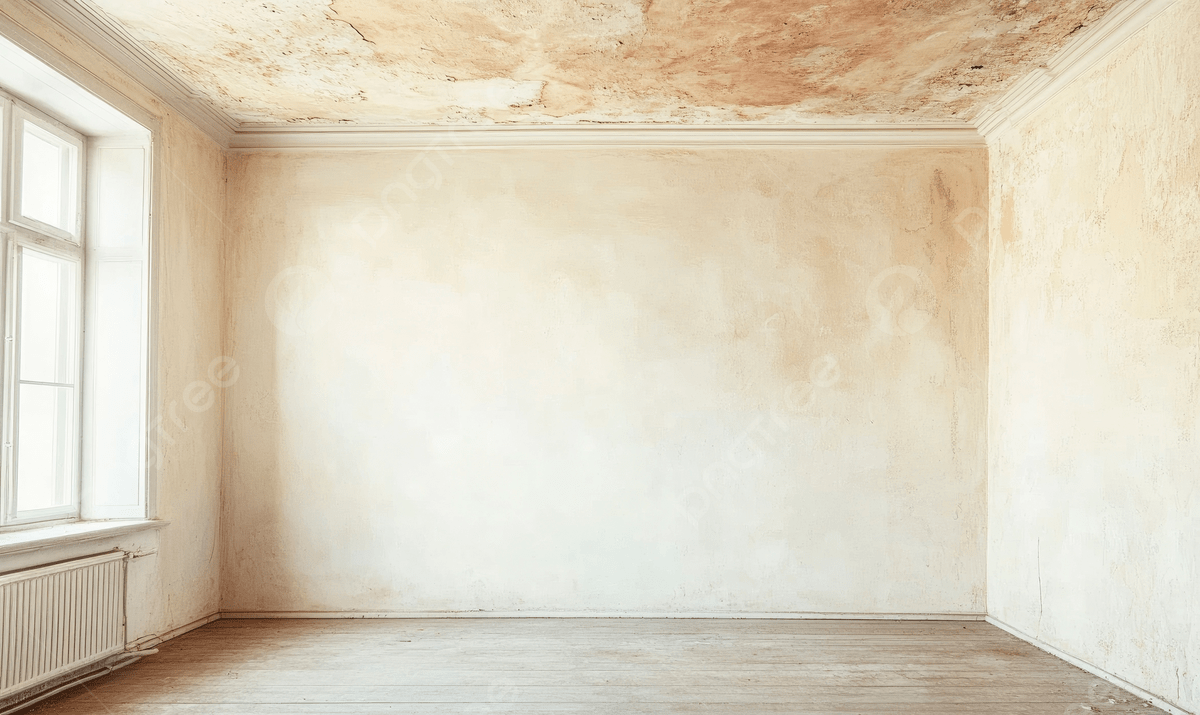
- Water stains on ceilings or walls
- Peeling paint or bubbling drywall
- Warped or buckling flooring
- Persistent indoor humidity
- Mold growth in corners or around vents
These signs often indicate moisture is present behind surfaces or in structural materials, even if no active leak is visible.
Hidden or Overlooked Sources of Moisture
One of the biggest challenges with water damage is that moisture travels. Water can move through materials and settle in places homeowners rarely inspect.
Common hidden sources include:
- Slow leaks inside walls
- Roof leaks that only appear during heavy rain
- Wet insulation in attics
- Condensation in ductwork
- Moisture trapped under flooring
- Crawl space humidity
In many Rockledge homes, HVAC systems are a major contributor. When ducts pass through humid attic spaces, condensation can develop and spread unnoticed.
Moisture detection tools are often necessary to locate these hidden problems accurately.
Why DIY Drying and Repairs Often Fail
It’s natural to try drying water damage with fans or household dehumidifiers. While these methods can help with surface moisture, they usually don’t address deeper structural moisture.
Common DIY limitations include:
- Inability to dry subfloors and wall cavities
- Missing hidden moisture pockets
- Inadequate humidity control
- Failure to identify the original source
Incomplete drying is one of the leading causes of mold growth after water damage. Even materials that feel dry on the surface may still hold moisture internally.
Professional Moisture Inspection and Testing Explained
Professional inspections focus on identifying both visible and hidden moisture.
Technicians typically use:
- Moisture meters to measure saturation in materials
- Infrared cameras to locate hidden water
- Hygrometers to measure humidity levels
- Airflow systems to accelerate drying
These tools allow restoration specialists to track drying progress and confirm that structures are fully dry before repairs begin.
In Rockledge and surrounding areas, companies such as Palm Bay Mold Removal often perform detailed moisture inspections as part of water damage restoration projects, especially when mold risk is present.
Proper Mold Removal and Remediation Process
If water damage is not addressed quickly, mold growth may begin within days under the right conditions.
A proper remediation process generally includes:
- Identifying and stopping the moisture source
- Isolating affected areas
- Removing contaminated materials when necessary
- Cleaning and treating surfaces
- Verifying moisture levels before rebuilding
This structured approach ensures that mold does not return after cleanup.
Flood Restoration and Water Damage Repair
When larger water events occur, restoration follows a systematic process to stabilize and repair the property.
Typical steps include:
Water Removal
High-capacity extraction equipment removes standing water quickly.
Drying and Dehumidification
Industrial air movers and dehumidifiers reduce moisture in materials and air.
Monitoring
Moisture levels are measured regularly to confirm drying progress.
Cleaning and Sanitizing
Surfaces are cleaned to prevent contamination and odor issues.
Repairs
Damaged drywall, flooring, or insulation may be repaired or replaced.
These steps are essential to prevent long-term structural issues.
Air Ducts, AC Systems, and Mold Risks
HVAC systems are often overlooked after water damage, but they play a major role in indoor air quality.
Potential problems include:
- Condensation inside ducts
- Mold growth in air handlers
- Moisture buildup near vents
- Dirty or clogged drain lines
If moisture enters the duct system, it can spread humidity throughout the home, making restoration less effective unless addressed properly.
Regular duct inspection and cleaning can help prevent these issues.
How to Prevent Water Damage in Rockledge Homes
Prevention is often simpler and less expensive than restoration.
Homeowners can reduce risk by:
- Inspecting roofs annually
- Cleaning gutters and downspouts
- Servicing HVAC systems regularly
- Monitoring indoor humidity levels
- Repairing plumbing leaks promptly
- Scheduling periodic moisture inspections
Even small preventive steps can significantly reduce the likelihood of major damage.
Why Local Experience Matters
Water damage restoration in Florida is different from many other regions. High humidity, coastal air, and sudden storms all affect how moisture behaves inside buildings.
Professionals working regularly in Rockledge, Palm Bay, Satellite Beach, and Merritt Island understand:
- Local construction styles
- Typical moisture problem areas
- Drying challenges in humid climates
- Common mold risks in Florida homes
This knowledge helps ensure restoration is thorough and long-lasting.
A Practical Next Step for Homeowners
Water damage doesn’t always begin with dramatic flooding. Often, it starts quietly—through humidity, condensation, or small leaks. Recognizing warning signs early and addressing moisture quickly is one of the most effective ways to protect a home.
A professional inspection after any significant water event can help confirm that moisture has been properly addressed and that the structure is safe. With proper restoration and preventive maintenance, homes in Rockledge can remain dry, comfortable, and structurally sound for years to come.