Flood Restoration in Satellite Beach in Coastal Homes: Complete Guide for Homeowners
Living in Satellite Beach has obvious advantages—ocean views, sea breezes, and a relaxed coastal lifestyle. But coastal living also brings a reality that homeowners know well: flooding and water intrusion can happen quickly, sometimes with very little warning.
Flood restoration isn’t just about removing water. It’s about drying structures properly, preventing mold, and restoring a home so hidden moisture doesn’t cause long-term damage. Understanding how the process works helps homeowners respond calmly and make informed decisions when water damage occurs.
What Flood Restoration Really Involves
Flood restoration is a structured process designed to return a home to safe, dry, and stable condition after water intrusion.
A complete restoration typically includes:
- Water removal and extraction
- Structural drying
- Moisture detection
- Cleaning and sanitation
- Repair of damaged materials
- Mold prevention or remediation if needed
In coastal homes, salt air, wind-driven rain, and humidity can complicate drying, which makes professional restoration methods especially important.
Why This Happens So Often in Satellite Beach
Satellite Beach homes face unique environmental pressures:
- Storm surges and heavy rain
- High groundwater levels
- Wind-driven rain entering roof or siding gaps
- Humidity that slows drying
- Older coastal construction with ventilation challenges
Even homes that are well maintained can experience water intrusion during severe weather. Nearby areas like Cocoa Beach, Merritt Island, and Titusville see similar issues, particularly during storm season.
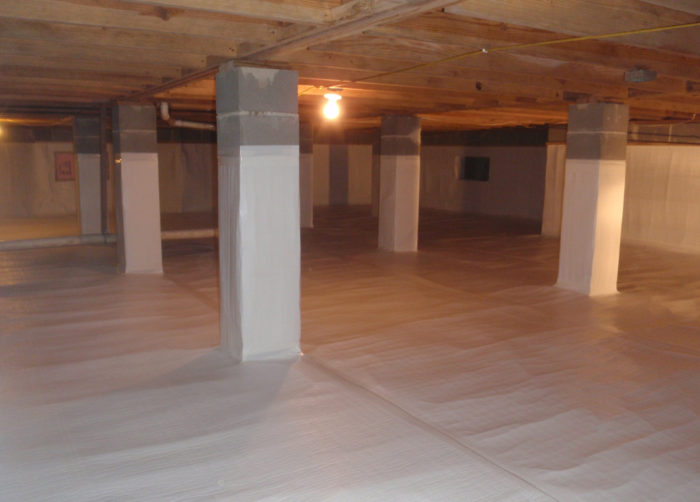
Another common factor is that many coastal homes have crawl spaces, slab foundations, or older drainage systems that don’t handle heavy rainfall as efficiently as modern designs.
Common Signs Homeowners Notice After Flooding
Some signs of water damage are obvious, but others appear gradually in the days or weeks after an event.
Homeowners often notice:
- Damp or musty smells
- Warped flooring or baseboards
- Peeling paint or drywall swelling
- Rust forming on metal fixtures
- Increased indoor humidity
- Visible water stains on ceilings or walls
These warning signs shouldn’t be ignored. Even minor water intrusion can lead to mold growth if moisture remains trapped in structural materials.
Hidden or Overlooked Sources of Moisture
After a flood or heavy rain, water often travels further than expected.
Common hidden moisture areas include:
- Inside wall cavities
- Under flooring and carpet padding
- Inside insulation
- Behind cabinetry
- Attics and roof decking
- HVAC ducts and air handlers
Salt air and humidity can also cause condensation inside duct systems, which worsens the problem if drying isn’t thorough.
This is why professional moisture detection is a critical step in restoration. Without it, a home may appear dry while hidden moisture remains.
Why DIY Flood Cleanup Usually Falls Short
Many homeowners begin cleanup themselves, which is understandable. Removing standing water and drying surfaces is helpful—but it’s rarely enough on its own.
DIY cleanup often misses:
- Moisture trapped in subfloors
- Wet insulation
- Humidity inside wall cavities
- Air ducts contaminated by moisture
Household fans and dehumidifiers simply don’t have the capacity to dry structural materials deeply or quickly enough in Florida’s humid climate.
Incomplete drying is one of the main reasons mold develops after flooding.
Professional Moisture Inspection and Testing Explained
A professional flood restoration process begins with careful inspection.
Technicians typically use:
- Moisture meters to measure saturation in materials
- Infrared cameras to locate hidden moisture
- Hygrometers to monitor humidity levels
- Airflow equipment to accelerate drying
This approach allows technicians to dry the structure thoroughly instead of relying on guesswork.
In Satellite Beach and surrounding communities like Palm Bay and Melbourne, experienced restoration professionals often combine moisture detection with mold inspection to ensure long-term safety.
Companies such as Palm Bay Mold Removal frequently handle both moisture detection and restoration, which helps ensure that drying and mold prevention are handled as one coordinated process.
Proper Mold Removal and Remediation Process
If mold has already begun forming, remediation becomes part of restoration.
A proper remediation process generally includes:
- Identifying the moisture source
- Containing affected areas
- Removing damaged materials if necessary
- Cleaning and treating surfaces
- Verifying moisture levels before rebuilding
Simply cleaning visible mold without addressing moisture rarely solves the problem permanently.
Flood Restoration and Water Damage Repair Steps
Flood restoration usually follows a clear sequence.
1. Water Extraction
High-capacity pumps remove standing water quickly.
2. Structural Drying
Industrial air movers and dehumidifiers dry framing, flooring, and wall materials.
3. Moisture Monitoring
Technicians track drying progress daily to ensure materials reach safe levels.
4. Cleaning and Sanitizing
Floodwater can carry contaminants, making sanitation an essential step.
5. Repairs and Restoration
Drywall, flooring, or insulation may be repaired or replaced as needed.
This structured process helps prevent long-term damage and mold growth.
Air Ducts, AC Systems, and Mold Risks
One of the most overlooked areas after flooding is the HVAC system.
Flood conditions and high humidity can cause:
- Condensation inside ducts
- Mold growth in air handlers
- Moisture accumulation around vents
If ducts aren’t inspected and cleaned when necessary, moisture can continue circulating through the home.
Regular HVAC inspections are especially important in coastal homes where humidity levels remain high for much of the year.
How to Prevent Flood Damage in Coastal Homes
While storms can’t be controlled, homeowners can reduce risk by taking preventive steps:
- Keep gutters and drainage systems clear
- Maintain roofing and flashing
- Seal windows and exterior gaps
- Install proper attic ventilation
- Monitor indoor humidity levels
- Schedule periodic moisture inspections
Routine maintenance helps identify small issues before they become major problems.
Why Local Experience Matters
Flood restoration in coastal Florida requires an understanding of local conditions.
Homes in Satellite Beach, Rockledge, and Viera face different moisture patterns than inland properties. Coastal humidity, salt air, and storm patterns all influence how buildings absorb and release moisture.
Professionals who work regularly in Brevard County understand:
- How long structures typically take to dry in humid conditions
- Which building materials are most vulnerable
- Where hidden moisture commonly develops
- How to prevent secondary mold growth
Local experience helps ensure restoration is thorough and lasting.
A Practical Next Step for Homeowners
Flooding can be stressful, but taking prompt, informed action makes a big difference. Early moisture detection, proper drying, and professional restoration prevent small problems from becoming major repairs.
If your home has experienced flooding or heavy water intrusion, having the property inspected and dried properly is one of the best ways to protect both the structure and indoor air quality.
Coastal homes in Satellite Beach can remain safe and durable for decades—but only when moisture is managed carefully and consistently.