
Mold Remediation in Viera in Residential Homes: Inspection and Repair Guide
Mold is one of those problems homeowners in Viera don’t always notice right away. A small roof leak, an overflowing AC drain line, or even high indoor humidity can create just enough moisture for mold to start growing quietly behind walls or beneath flooring. By the time a musty smell appears or a stain shows up, the issue has often been developing for weeks.
The good news is that mold problems in residential homes are manageable when handled correctly. Understanding how inspection and remediation work helps homeowners make informed decisions and prevent recurring issues. This guide walks through the process step by step so you know what to expect and how to protect your home.
Why Mold Issues Are Common in Viera Homes
Homes in Viera and surrounding areas like Melbourne, Rockledge, and Palm Bay face conditions that naturally increase mold risk.
Some of the most common contributing factors include:
- High year-round humidity
- Heavy seasonal rain and storms
- Roof or window leaks after severe weather
- AC systems running constantly and producing condensation
- Limited airflow in closets, attics, or storage spaces
Even small amounts of moisture can lead to mold growth when the environment stays warm and humid.
Step 1: Mold Inspection – Finding the Source First
A proper remediation process always begins with a thorough inspection. Removing mold without addressing the moisture source rarely solves the problem long-term.
During inspection, professionals typically check:
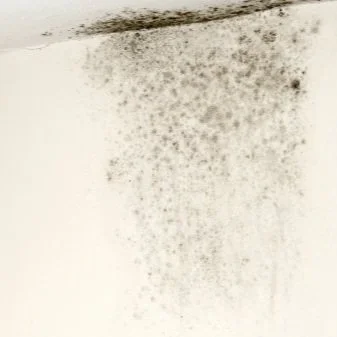
- Walls and ceilings for stains or discoloration
- Flooring and baseboards for swelling or warping
- Attics and crawl spaces for roof leaks or condensation
- Cabinets and plumbing areas for hidden leaks
- HVAC systems and ductwork for moisture buildup
The goal is to locate both visible mold and hidden moisture, because mold cannot grow without water.
Step 2: Moisture Detection and Mapping
After the visual inspection, moisture detection tools help confirm where dampness remains.
Common tools include:
- Moisture meters to measure material moisture levels
- Thermal imaging cameras to locate hidden damp areas
- Humidity readings to evaluate indoor air conditions
Moisture mapping helps determine how far water has spread and whether materials have fully dried. In humid climates like Viera, drying often takes longer than expected, especially in enclosed spaces.
Step 3: Determining the Extent of Mold Growth
Once moisture sources are identified, inspectors evaluate how far mold has spread.
They typically check:
- Drywall and insulation
- Subfloors beneath tile or laminate
- Closet interiors and storage areas
- Attic insulation and roof decking
- Areas around HVAC equipment
Sometimes mold growth is limited to a small area, while in other cases it may extend beyond what is visible on the surface.
Step 4: Containment Before Removal
If remediation is needed, containment is an important step that prevents spores from spreading to other parts of the home.
Containment may include:
- Sealing off affected areas
- Using negative air pressure equipment
- Installing plastic barriers
This step keeps the rest of the home protected during the cleaning and removal process.
Step 5: Mold Removal and Cleaning
Mold remediation involves more than simply wiping surfaces. The process focuses on removing contaminated materials and cleaning affected areas thoroughly.
Typical remediation steps include:
- Removing damaged drywall or insulation when necessary
- Cleaning and treating structural surfaces
- Using HEPA filtration to capture airborne particles
- Drying materials to safe moisture levels
Professionals familiar with local conditions, including companies like Palm Bay Mold Removal, often emphasize drying and moisture control as the most important parts of the process. Without those steps, mold can return.
Step 6: Repairing Damaged Areas
After mold removal and drying, repairs begin. This stage restores the home to its original condition.
Repairs may include:
- Replacing drywall or insulation
- Repairing flooring or trim
- Sealing or repainting walls
- Fixing plumbing or roof leaks
The key is ensuring all materials are completely dry before repairs are completed, which prevents future issues.
Step 7: Checking HVAC and Air Ducts
Air conditioning systems can play a major role in mold problems, especially in Florida homes.
Inspectors often evaluate:
- Air handler units
- Condensate drain lines
- Duct interiors
- Vent openings
Moisture inside ductwork can spread spores throughout the home, so inspection and cleaning may be recommended after remediation.
Step 8: Preventing Mold From Returning
Once remediation and repairs are complete, prevention becomes the priority. Fortunately, many preventive steps are simple and effective.
Property owners in Viera can reduce risk by:
- Keeping indoor humidity at moderate levels
- Checking AC drain lines regularly
- Inspecting roofs and windows after storms
- Repairing plumbing leaks promptly
- Improving ventilation in bathrooms and kitchens
- Scheduling periodic inspections after water damage
These steps help keep moisture under control, which is the most important factor in preventing mold.
Why Local Experience Matters
Mold remediation in Florida requires an understanding of local environmental conditions. High humidity, coastal weather patterns, and building materials all influence how moisture behaves inside homes.
Professionals familiar with Viera, Melbourne, Merritt Island, and Rockledge understand:
- Typical moisture intrusion patterns
- Drying timelines in humid climates
- HVAC condensation issues common in Florida homes
- Structural areas most vulnerable to hidden moisture
This local knowledge helps ensure inspections are accurate and remediation is effective.
A Practical Takeaway for Homeowners
Mold remediation doesn’t have to be overwhelming. When inspections are thorough, moisture sources are addressed, and drying is complete, most mold problems can be resolved efficiently.
For homeowners in Viera, the most important step is early action. Addressing water damage quickly, scheduling inspections when needed, and maintaining proper ventilation can prevent small moisture problems from becoming larger repairs.
Keeping a home dry is the single most effective way to keep it mold-free—and that’s something every homeowner can take control of.