
Professional Tips for Property Owners: Moisture Detection in Viera After Water Damage
Water damage has a way of seeming smaller than it really is. A pipe leaks, a storm passes through, or an AC unit overflows, and once the visible water is gone, many homeowners assume the problem is solved. In reality, the biggest issue often begins after the surface dries—when moisture remains trapped inside walls, flooring, or insulation.
In Viera and nearby communities like Melbourne, Palm Bay, Rockledge, and Satellite Beach, moisture detection plays a critical role after any water event. Finding hidden moisture early prevents mold growth, structural damage, and long-term repair costs.
Let’s walk through how moisture detection works, why it matters so much in Florida homes, and what property owners should know after water damage.
Why Moisture Detection Is So Important After Water Damage
When water enters a home, it doesn’t stay in one place. It spreads through materials such as:
- Drywall
- Wood framing
- Subfloors
- Carpet padding
- Insulation
These materials absorb moisture and release it slowly. In Florida’s humid climate, that drying process can take much longer than most people expect.
Without proper moisture detection, areas that appear dry may still contain enough moisture to support mold growth within days.
Why Homes in Viera Are Especially Vulnerable
Homes in Viera experience several environmental factors that make moisture detection especially important:
High humidity levels
Moist air slows evaporation, allowing materials to stay damp longer.
Frequent storms and heavy rains
Even minor roof or window leaks can introduce moisture into walls and attics.
Air conditioning systems running year-round
Condensation and clogged drain lines are common sources of hidden moisture.
Modern building materials
Many materials used in construction today absorb moisture quickly and trap it inside structural layers.
Because of these conditions, moisture detection is not just recommended—it’s often necessary after water damage.
Early Signs Moisture May Still Be Present
Property owners often notice subtle warning signs before major damage develops.
Watch for:
- Musty or damp odors
- Warped baseboards or flooring
- Peeling paint or bubbling drywall
- Increased indoor humidity
- Rooms that feel damp or heavy
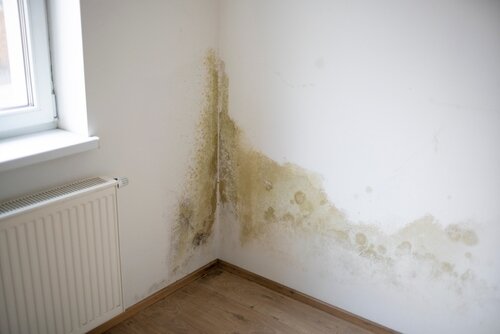
These signs don’t always mean mold is present, but they often indicate moisture still exists somewhere in the structure.
How Professional Moisture Detection Works
Moisture detection involves more than just looking for wet spots. Professionals use specialized tools to locate moisture hidden inside materials.
Moisture Meters
Moisture meters measure the moisture content of building materials. These readings help determine whether materials are fully dry or still holding water.
Inspectors typically test:
- Walls and ceilings
- Flooring and subfloors
- Cabinets and vanities
- Trim and framing
By mapping moisture levels across a room, inspectors can track how far water traveled.
Thermal Imaging
Thermal imaging cameras help identify temperature differences that may indicate moisture behind surfaces.
These tools can reveal:
- Moisture inside wall cavities
- Wet insulation
- Damp ceiling areas
- Water migration paths beneath flooring
Thermal imaging doesn’t confirm mold—it simply helps locate areas where moisture may still be present.
Hidden Areas Where Moisture Is Often Found
In many Viera homes, inspectors frequently find moisture in areas homeowners rarely check.
Common hidden locations include:
- Inside wall cavities
- Beneath tile or laminate flooring
- Under cabinets and appliances
- Attics affected by roof leaks
- Around AC systems and ducts
- Closets with limited airflow
These areas take longer to dry and often require targeted drying equipment.
Why DIY Drying Often Isn’t Enough
Many property owners respond to water damage by using fans or opening windows. While this helps surface drying, it rarely removes moisture trapped inside materials.
DIY drying often misses:
- Wet insulation
- Moist subfloors
- Damp framing
- Moisture inside ducts
Without moisture detection tools, it’s difficult to confirm whether drying is complete.
That’s why mold sometimes appears weeks after a water incident that seemed minor at the time.
The Role of HVAC Systems in Moisture Problems
HVAC systems play a major role in indoor moisture levels. After water damage, inspectors usually evaluate:
- Air handler units
- Condensate drain lines
- Drain pans
- Supply and return ducts
Moisture inside ductwork can circulate humid air and odors throughout the home, making proper inspection essential.
What Happens If Moisture Is Found
If elevated moisture levels are detected, the next steps usually include:
- Targeted drying with air movers and dehumidifiers
- Monitoring moisture levels daily
- Removing materials that cannot be dried
- Cleaning affected surfaces
The goal is to return materials to safe moisture levels before mold growth can begin.
Professionals familiar with the region, including teams like Palm Bay Mold Removal, often stress moisture verification as the most important step in preventing long-term problems.
Preventing Future Moisture Problems in Viera Homes
Once drying is complete, prevention becomes the priority.
Helpful steps include:
- Inspect roofs after heavy storms
- Keep gutters and drainage clear
- Check AC drain lines regularly
- Maintain proper ventilation in bathrooms and kitchens
- Monitor indoor humidity levels
- Address plumbing leaks immediately
These small steps significantly reduce the risk of future water damage and mold growth.
Why Local Experience Matters
Moisture behaves differently in humid coastal regions than in dry climates. Professionals working in Viera, Melbourne, Palm Bay, and Merritt Island understand:
- How humidity affects drying time
- Common storm-related moisture patterns
- Typical HVAC condensation issues
- Building materials commonly used in Florida homes
This local experience helps ensure inspections are accurate and drying is complete.
A Practical Next Step for Property Owners
After any water damage, moisture detection provides peace of mind. It confirms whether the home is fully dry and helps prevent problems from developing later.
For property owners in Viera, early detection and proper drying are the most effective ways to protect both the structure of the home and indoor air quality. Small moisture problems are manageable when caught early—but they rarely stay small if ignored.