
Complete Guide for Homeowners: Mold Testing in Cocoa Beach in Older Homes
Older homes in Cocoa Beach have a lot of character—solid construction, unique layouts, and often a long history of weathering Florida’s coastal climate. But age, humidity, and years of exposure to storms also mean these homes can be more vulnerable to hidden moisture and mold growth, especially after roof leaks, plumbing issues, or periods of high humidity.
Mold testing isn’t about assuming there’s a serious problem. It’s about confirming what’s really happening inside walls, ceilings, and air systems so homeowners can make informed decisions and avoid larger repairs later.
This guide explains how mold testing works, why it matters in older Cocoa Beach homes, and what property owners should know.
Why Older Homes in Cocoa Beach Are More Vulnerable
Homes built years or decades ago often have features that make moisture issues more likely.
Some common factors include:
- Aging roofing materials and flashing
- Older plumbing systems with slow leaks
- Less effective insulation or vapor barriers
- Crawl spaces or attics with limited ventilation
- Windows and seals that have worn over time
Add in coastal humidity, salt air, and frequent storms, and moisture can find its way into areas that remain damp longer than expected.
Even minor water intrusion can create conditions where mold begins to grow quietly behind walls or beneath flooring.
What Mold Testing Actually Determines
Mold spores are present almost everywhere outdoors, so testing isn’t about finding zero spores. Instead, mold testing compares indoor and outdoor conditions to determine whether indoor levels are unusually high.
Testing typically involves:
- Indoor air sampling
- Outdoor comparison sampling
- Surface sampling when visible growth is suspected
These results help confirm whether mold growth may be occurring in hidden areas, even when surfaces appear clean.
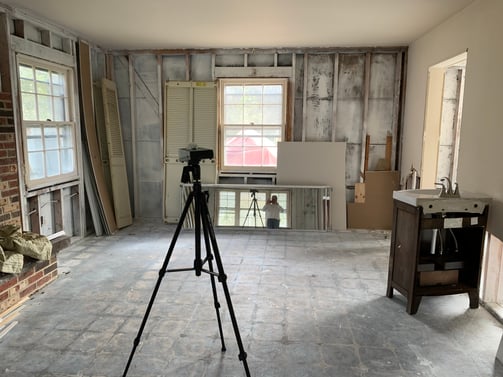
Signs Mold Testing May Be Needed
In many cases, homeowners first notice subtle changes rather than obvious mold growth.
Common early signs include:
- A persistent musty odor
- Discoloration on ceilings or walls
- Paint bubbling or peeling
- Warped trim or baseboards
- Increased indoor humidity
- Rooms that feel damp even when air conditioning is running
Older homes sometimes trap moisture in wall cavities or beneath flooring, so these signs shouldn’t be ignored.
Where Mold Often Develops in Older Homes
Certain areas are more vulnerable, especially in coastal Florida.
Inspectors frequently check:
- Attics affected by roof leaks
- Bathrooms and kitchens near plumbing
- Crawl spaces and subfloor areas
- Closets with limited airflow
- Areas around windows and exterior walls
- HVAC closets and air ducts
Because older building materials can absorb and hold moisture, these locations often remain damp longer than homeowners expect.
The Mold Testing Process Step by Step
A professional mold inspection and testing process usually follows several stages.
1. Initial Assessment
Inspectors ask about:
- Past water damage
- Roof leaks or plumbing repairs
- Storm exposure
- Humidity or odor issues
This background helps identify areas most likely to need testing.
2. Visual Inspection
A careful walkthrough identifies:
- Stains or discoloration
- Warping or swelling in materials
- Areas with limited airflow
- Signs of condensation or moisture buildup
This step helps determine where moisture may still be present.
3. Moisture Detection
Before testing, inspectors often use tools to locate moisture.
These tools may include:
- Moisture meters
- Thermal imaging cameras
- Humidity readings
Finding moisture is important because mold growth depends on it.
4. Air and Surface Sampling
Air samples are collected indoors and outdoors to compare spore levels.
Surface samples may be taken when visible growth is present or suspected.
Laboratory analysis provides detailed results about spore levels and types.
5. Explanation of Results
A clear report explains:
- Whether mold levels are normal or elevated
- Where moisture is present
- Whether remediation or drying is recommended
Companies experienced in coastal environments, including Palm Bay Mold Removal, often emphasize moisture control first, since eliminating the source of dampness is the key to preventing mold from returning.
HVAC Systems and Older Homes
Air conditioning systems play a major role in indoor moisture control, especially in Florida.
Older homes sometimes have:
- Aging ductwork
- Limited insulation around ducts
- Condensation buildup near air handlers
Inspecting ducts and HVAC components helps ensure moisture isn’t circulating through the home.
Why DIY Mold Testing Can Be Misleading
Store-bought mold testing kits may seem convenient, but they often lack the context needed to interpret results accurately.
Common limitations include:
- No outdoor comparison sample
- No moisture detection
- Limited accuracy
- Difficulty understanding lab results
Professional testing combines sampling with moisture inspection, which provides a much clearer picture of what’s actually happening.
Preventing Mold in Older Cocoa Beach Homes
Prevention often comes down to simple habits and regular checks.
Helpful steps include:
- Inspect roofs and windows after storms
- Keep gutters and drainage clear
- Monitor indoor humidity levels
- Maintain HVAC systems and drain lines
- Repair plumbing leaks promptly
- Improve ventilation in kitchens and bathrooms
Older homes benefit especially from routine inspections because small issues can develop slowly over time.
Why Local Knowledge Matters
Mold behavior in coastal Florida differs from inland or drier regions. High humidity, warm temperatures, and salt air affect how quickly materials absorb and release moisture.
Professionals familiar with Cocoa Beach, Merritt Island, Melbourne, Satellite Beach, and surrounding areas understand:
- Typical leak patterns after storms
- Drying timelines in humid climates
- Common moisture traps in older structures
- HVAC and ventilation challenges in coastal homes
This local experience often leads to more accurate inspections and better long-term prevention.
A Practical Takeaway for Homeowners
Mold testing in older homes isn’t about expecting the worst—it’s about understanding conditions inside your home after years of exposure to humidity and weather.
When moisture is detected early, solutions are usually straightforward. Waiting too long, however, can allow small issues to develop into larger repairs.
For homeowners in Cocoa Beach, routine inspections, proper drying after water damage, and attention to early warning signs go a long way toward keeping older homes comfortable, structurally sound, and ready to handle Florida’s coastal climate year after year.