Mold Testing in West Melbourne After Hurricanes: Professional Tips for Property Owners
After a hurricane passes through West Melbourne, most property owners focus on the visible damage first—roof shingles, fallen branches, soaked carpets, or drywall stains. Once the obvious repairs are handled, it’s easy to assume everything is back to normal. But hurricanes often leave behind something less visible: trapped moisture.
That lingering moisture is what makes mold testing so important after storm-related water damage. Mold doesn’t always appear immediately, and in Florida’s warm, humid climate, it can begin developing in hidden spaces long before you notice any signs.
Let’s go through what mold testing involves, when it’s necessary, and what property owners in West Melbourne, Melbourne, Palm Bay, Rockledge, Merritt Island, Satellite Beach, Viera, and Titusville should know after a hurricane.
What Mold Testing Actually Means
Mold testing is a process used to determine whether mold spores are present at elevated levels inside a property. It’s important to understand that mold spores exist naturally in outdoor air, so the goal of testing isn’t to find zero spores—it’s to see whether indoor levels are higher than normal or higher than outdoor levels.
Testing typically involves:
- Air sampling inside the home
- Outdoor air sampling for comparison
- Surface sampling in specific areas when needed
These results help determine whether mold growth may be occurring in hidden areas, even when no visible mold is present.
Why Hurricanes Increase Mold Risk in West Melbourne
Hurricanes create ideal conditions for mold growth. Even if water never entered the home directly, high humidity and wind-driven rain can introduce moisture into building materials.
Common post-hurricane moisture sources include:
- Roof leaks around flashing or vents
- Water intrusion around windows and doors
- Saturated insulation in attics
- Damp drywall and framing
- AC systems working harder and producing excess condensation
In coastal Florida, humidity can remain high for weeks after a storm. That prolonged moisture exposure is often enough for mold to begin developing behind walls or under flooring.
Early Signs Property Owners Should Watch For
Mold growth isn’t always obvious. In many homes, the first signs are subtle.
Watch for:
- Musty or earthy odors
- Slight discoloration on walls or ceilings
- Paint bubbling or peeling
- Warped trim or baseboards
- Increased allergy-like irritation indoors
- Persistent humidity or damp air
These signs don’t always confirm mold, but they do indicate that moisture may still be present, which is when testing becomes useful.
When Mold Testing Is Recommended After a Hurricane
Not every property needs testing, but certain situations make it a smart step.
Testing is often recommended when:
- Water entered the home during the storm
- Drywall, insulation, or flooring became wet
- Drying equipment was not used immediately
- Odors appeared days or weeks after the hurricane
- Repairs were completed but moisture levels were never verified
- Property managers need documentation for records
Testing provides clarity, which helps property owners make informed decisions instead of guessing.
How the Mold Testing Process Works
A proper mold testing process usually follows a structured approach.
Step 1: Initial Inspection
Before testing, an inspector evaluates:
- Areas affected by water damage
- Signs of visible mold or staining
- HVAC systems and air ducts
- Attics, crawl spaces, and closets
This step helps identify the most appropriate locations for sampling.
Step 2: Moisture Detection
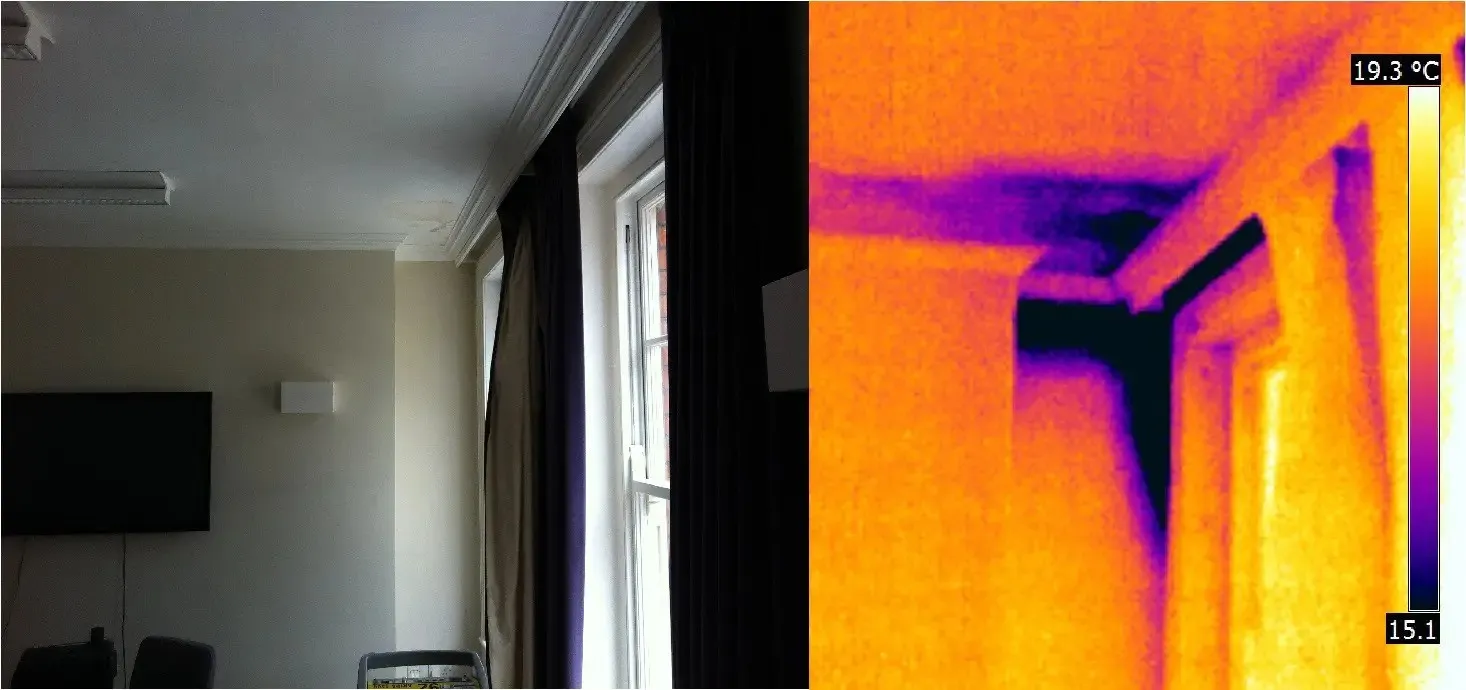
Testing alone doesn’t tell the full story. Inspectors often use moisture meters and thermal imaging to find damp areas first.
Moisture detection helps locate:
- Wet drywall behind paint
- Damp insulation
- Moist subfloors
- Water migration paths
Finding moisture is critical because mold cannot grow without it.
Step 3: Air and Surface Sampling
Air samples are collected using specialized pumps that capture airborne spores. These samples are then analyzed to determine spore levels and types.
Surface samples may be taken if visible growth is suspected. This helps confirm whether the material present is mold and what type it may be.
Professionals such as Palm Bay Mold Removal often emphasize that testing is most useful when paired with moisture inspection, because identifying the source of moisture is the key to preventing recurrence.
The Role of HVAC Systems After Hurricanes
One of the most overlooked areas after storm damage is the HVAC system.
High humidity or water intrusion can affect:
- Air handlers
- Drain pans
- Supply and return ducts
- Insulation inside ductwork
If moisture enters ducts, spores and odors can circulate throughout the home. This is why inspections often include evaluating air ducts and ventilation systems after hurricanes.
Why DIY Mold Testing Kits Often Fall Short
Many property owners consider store-bought mold test kits. While these may detect spores, they often lack the context needed to interpret results accurately.
Common limitations include:
- No outdoor comparison sample
- Limited accuracy
- No moisture analysis
- No professional interpretation
Without understanding moisture conditions, test results alone may not provide useful guidance.
Preventing Mold Problems After a Hurricane
Prevention begins immediately after storm damage occurs. The faster moisture is removed, the lower the risk of mold growth.
Practical steps include:
- Drying wet materials as quickly as possible
- Using dehumidifiers in affected areas
- Monitoring indoor humidity levels
- Checking attics and roof spaces after storms
- Inspecting AC systems and drain lines
- Repairing leaks promptly
These steps significantly reduce the likelihood of mold developing in the first place.
Why Local Experience Matters
Mold behavior in Florida is different from other regions. High humidity, salt air, and frequent storms create conditions where moisture lingers longer than many property owners expect.
Professionals familiar with West Melbourne and surrounding Brevard County communities understand:
- Typical hurricane-related water intrusion patterns
- How long materials realistically take to dry
- Common problem areas in Florida homes
- HVAC moisture issues specific to humid climates
This local experience often leads to more accurate inspections and better long-term results.
A Practical Next Step for Property Owners
If your property in West Melbourne experienced water intrusion or prolonged humidity after a hurricane, mold testing can provide valuable reassurance. It helps confirm whether indoor conditions are normal or whether further drying or remediation is needed.
The goal isn’t to alarm property owners—it’s to provide clear information so small moisture problems don’t turn into larger structural or air quality issues later.
Early testing, proper drying, and routine inspections go a long way toward keeping homes safe, comfortable, and resilient after hurricane season.