Melbourne Water Leak Detection After Water Damage: Early Signs You Should Not Ignore
Water damage has a way of hiding in plain sight. A ceiling dries, paint looks normal again, and everything seems fine—until weeks later when that faint musty smell starts creeping in. Many homeowners in Melbourne and Palm Bay run into this exact situation, especially after storms, plumbing leaks, or AC issues.
The tricky part? Water doesn’t just disappear when surfaces dry. Moisture often lingers inside walls, under flooring, and inside ductwork. That’s where proper water leak detection becomes essential, because finding hidden moisture early prevents mold growth, structural damage, and costly repairs down the road.
Let’s walk through what really happens after water damage, the early warning signs to watch for, and how professionals handle detection and repairs in homes across Melbourne, Palm Bay, Merritt Island, Viera, Rockledge, Satellite Beach, and Titusville.
What Water Leak Detection Really Means
When people hear “leak detection,” they often imagine someone looking for dripping pipes. In reality, it’s far more detailed than that.
After water damage, leak detection focuses on identifying:
- Hidden moisture trapped behind walls
- Damp insulation and drywall
- Moisture under tile, carpet, or laminate flooring
- Water intrusion from roofs or windows
- AC condensation leaks
- Moisture inside air ducts
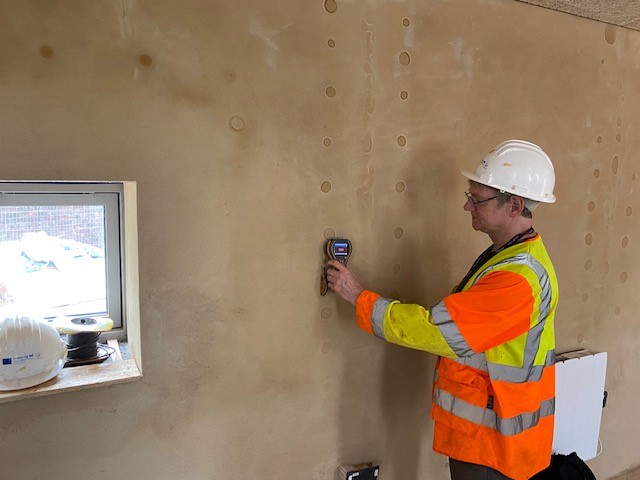
Professionals use moisture meters, thermal imaging cameras, and inspection tools to track water migration patterns—because water rarely stays where it first appears.
Why This Happens So Often in Melbourne and Palm Bay
Homes in Brevard County deal with conditions that make hidden moisture extremely common.
Some of the biggest causes include:
High humidity year-round
Even small leaks take longer to dry in Florida’s climate.
Heavy seasonal rain and storms
Wind-driven rain often enters through small roof or siding gaps.
AC systems running constantly
Condensation lines clog or overflow more often than many homeowners realize.
Slab foundations
Leaks beneath flooring are harder to detect and may go unnoticed for weeks.
Older plumbing in some neighborhoods
Small pipe leaks can slowly saturate walls or cabinets before anyone notices.
These environmental factors make routine inspections and moisture detection especially important after any water event.
Common Signs Homeowners Notice First
Most people don’t see the leak itself. Instead, they notice the symptoms.
Some early warning signs include:
- A musty or damp odor that doesn’t go away
- Paint bubbling or peeling
- Warped baseboards or flooring
- Dark spots on ceilings or walls
- Increased indoor humidity
- AC running longer than usual
- Allergy-like symptoms when indoors
These signs often appear gradually, which is why they’re easy to ignore at first.
But early attention makes a huge difference.
Hidden or Overlooked Sources of Moisture
In homes across Melbourne, Rockledge, and Viera, inspections often uncover moisture in places homeowners rarely think to check.
Common hidden sources include:
- Inside wall cavities after roof leaks
- Beneath bathroom tile from slow plumbing drips
- Around window frames after storms
- Under kitchen cabinets
- Inside air ducts where condensation forms
- Beneith carpets after minor flooding
Even small amounts of trapped moisture can eventually lead to mold growth if left untreated.
Why DIY Mold and Moisture Cleanup Usually Falls Short
It’s completely understandable—after a leak, many homeowners grab fans, towels, or a household dehumidifier and assume the problem is solved.
Unfortunately, surface drying rarely reaches the real problem.
DIY cleanup often misses:
- Moisture behind drywall
- Damp insulation
- Subfloor saturation
- Air ducts holding humid air
Without professional detection tools, it’s almost impossible to confirm everything is dry.
This is why secondary mold growth often appears weeks after a “successful” cleanup.
Professional Mold Inspection and Testing Explained
After water damage, inspection is about more than just finding visible mold.
A thorough inspection typically includes:
- Moisture mapping of affected areas
- Thermal imaging scans
- Airflow and ventilation evaluation
- Inspection of HVAC and duct systems
- Identifying areas at risk of mold growth
Testing may be recommended if conditions suggest mold may already be developing.
Experienced local companies like Palm Bay Mold Removal often focus on identifying the root cause first, because without fixing the moisture source, problems tend to return.
Proper Mold Removal and Remediation Process
If mold is found, removal must be handled carefully to prevent spreading spores.
A typical remediation process includes:
- Containing affected areas
- Removing damaged materials when necessary
- Cleaning and treating surfaces
- Drying all structural components
- Final moisture verification
The goal isn’t just removing visible mold—it’s restoring safe, dry conditions so growth doesn’t return.
Flood Restoration and Water Damage Repair
After larger water events—like storms or plumbing failures—restoration involves multiple steps.
These often include:
- Water extraction
- Structural drying
- Dehumidification
- Material removal when necessary
- Odor control
- Repairs to damaged areas
Homes in Satellite Beach and Merritt Island sometimes require extended drying times due to coastal humidity, which makes proper monitoring especially important.
Drying equipment is usually left in place until moisture readings confirm safe levels.
Air Ducts, AC Systems, and Mold Risk
One of the most overlooked areas after water damage is the HVAC system.
Moisture can enter ducts through:
- Condensation buildup
- Flooding in return vents
- High indoor humidity
- Improper insulation
When moisture remains inside ducts, it can circulate spores and odors throughout the home.
Air duct cleaning and inspection are often recommended after significant water damage to ensure the entire system is dry and clean.
How to Prevent Mold in Melbourne and Palm Bay Homes
Prevention doesn’t require complicated steps. Small habits make a big difference.
Helpful practices include:
- Checking AC drain lines regularly
- Using dehumidifiers during humid months
- Inspecting roofs and windows after storms
- Fixing plumbing leaks immediately
- Monitoring indoor humidity levels
- Scheduling periodic moisture inspections
Many homeowners find that routine inspections catch small problems long before they become major repairs.
Why Local Experience Matters
Water damage behaves differently in Florida than in drier climates.
Humidity, storm patterns, and building materials all affect how moisture spreads and how long drying takes.
Professionals familiar with Palm Bay, Melbourne, and surrounding Brevard County communities understand:
- Typical roof and window leak patterns
- AC condensation issues common in the area
- Drying timelines in humid climates
- Common structural moisture traps
That local knowledge often speeds up detection and improves long-term results.
A Calm, Practical Next Step
If your home has recently experienced water damage—even minor damage—it’s wise to stay alert for early signs of hidden moisture.
Musty smells, humidity changes, or subtle stains may not seem urgent, but they often point to moisture that hasn’t fully dried.
A professional inspection can provide peace of mind, confirm moisture levels, and help prevent mold problems before they start. Companies such as Palm Bay Mold Removal regularly assist homeowners throughout Melbourne and nearby communities with inspections, detection, and restoration guidance designed to keep homes safe and dry.
Catching issues early is always easier—and far less stressful—than dealing with repairs later.