
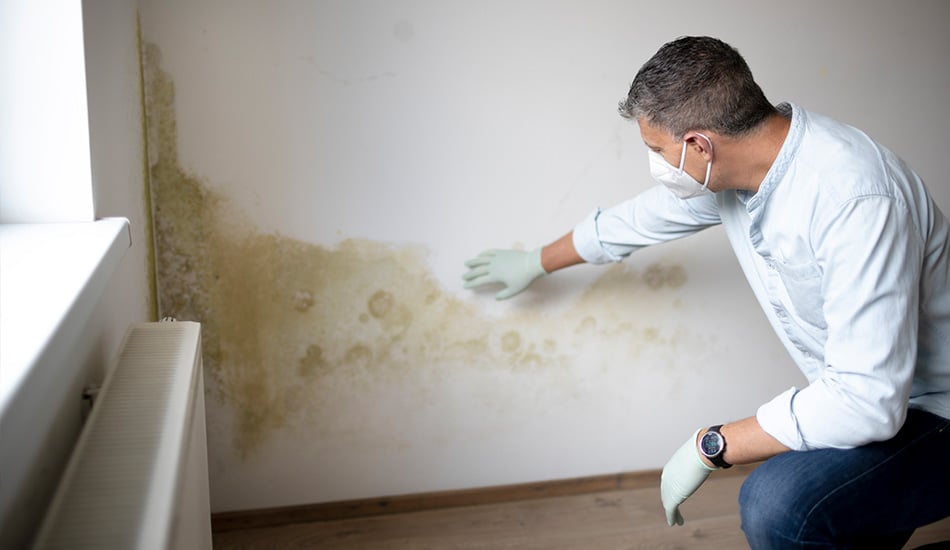
A Local Homeowner Guide to Mold Testing in Rockledge — Especially from Poor Ventilation
Rockledge and the rest of Brevard County face high humidity, frequent thunderstorms, and warm temperatures — conditions that make indoor mold growth more likely than in many other parts of the U.S. When homes suffer from poor ventilation — especially in bathrooms, attics, crawl spaces, or kitchens — airborne moisture stays trapped, creating ideal conditions for mold to flourish even if you can’t immediately see it. (Rockledgemoldremoval.org)
Mold is not just a cosmetic problem. It can affect your indoor air quality, health, and the value and safety of your home — especially in areas that stay damp or poorly ventilated for long periods. This guide walks you through how mold testing works, why poor ventilation matters, what results mean, and how to act on them.
🧠 What Is Mold and Why It Matters in Florida Homes
Mold is a type of fungus that thrives in damp, warm, poorly ventilated spaces. Spores are everywhere in the environment — outdoors and indoors — but they only grow into colonies where moisture and organic material are available. (Florida Department of Health)
In Florida, common causes of excess moisture include:
- High humidity levels year‑round
- Air conditioning systems that don’t remove enough moisture
- Roof leaks or plumbing leaks
- Poorly vented bathrooms and laundry areas
- Crawl spaces and attics with stagnant air (Florida Department of Health)
Left unchecked, mold can contribute to:
- Respiratory irritation, allergies, or asthma symptoms
- Musty odours and reduced air quality
- Damage to drywall, wood, insulation, and finishes
- Weakened structural materials (Florida Department of Health)
🌫️ Why Poor Ventilation Makes Mold More Likely
Ventilation is how a home circulates air — exchanging humid indoor air for drier outdoor air. When ventilation is insufficient, moisture stays trapped and humidity rises. This happens especially in:
- Bathrooms without fans that vent outside
- Attics with blocked soffit vents
- Laundry or kitchen areas with no exhaust vent
- Rooms without adequate working windows or airflow
Poor ventilation hinders the natural evaporation of water vapour. That means moisture from showers, cooking steam, clothes drying, and even breathing can accumulate — especially on cooler surfaces like walls, attic rafters, and ceilings — creating the perfect environment for mold growth even when you don’t see water damage. (Florida Department of Health)
Mold can take hold within 24–48 hours of high indoor humidity or condensation if conditions are right, so early detection is critical. (Rockledgemoldremoval.org)
🧪 What Mold Testing Is and Isn’t
✅ What Professional Mold Testing Does
Mold testing lets you objectively measure whether elevated levels of mold spores are present — especially when:
- You can smell a musty odour, but can’t see visible colonies
- Residents have allergy or respiratory symptoms that worsen at home
- There has been recent water damage, flooding, or leaks
- You’re preparing to buy or sell a property
- You want documentation for insurance or remediation planning (Rockledgemoldremoval.org)
Professional mold testing generally includes:
📌 Air Sampling
Small pumps draw air through filters to capture spores. These are then compared to outdoor samples to see if indoor levels are elevated. (Rockledgemoldremoval.org)
📌 Surface Sampling
Swabs or tape lifts from walls, ceilings, HVAC vents, and problem areas confirm whether suspected growth is mold and, if so, what type. (Rockledgemoldremoval.org)
📌 HVAC System Testing
Because HVAC ducts can distribute spores throughout a home, testing these systems makes sure airflow isn’t spreading contamination. (Rockledgemoldremoval.org)
📌 Moisture & Humidity Assessment
Technicians use moisture meters and hygrometers to map humidity levels and locate hidden dampness behind walls or in insulation — often the cause of mold. (Elite Mold Services)
🚫 What Testing Doesn’t Do
- A mold test isn’t always required for small, visible patches — if mold is obvious, many experts recommend addressing the source first. (www.removemoldorlando.com)
- A single home test may not catch hidden mold if sources aren’t sampled.
- Results don’t automatically tell you how to remediate — they tell you where mold exists and at what levels.
📋 Step‑by‑Step Mold Testing Process for Rockledge Homeowners
Here’s what a typical professional testing process looks like:
1. Initial Consultation & Visual Walkthrough
A technician talks with you about symptoms, smells, recent leaks, or areas of concern, then does a visual check of likely problem areas.
2. Indoor Air & Surface Sampling
Air pumps and surface swabs are taken from multiple rooms, and sometimes the HVAC ducts to capture a representative sample of spore levels. (Rockledgemoldremoval.org)
3. Moisture Mapping
Special tools measure moisture in drywall, wood, floors, and ceilings — crucial in identifying hidden damp areas from poor ventilation. (Elite Mold Services)
4. Lab Analysis
Samples are sent to accredited labs, which identify spore types and concentrations. Results tell you whether mold levels are within normal outdoor ranges or dangerously elevated.
5. Report & Recommendations
You receive a clear report explaining results, what types of mold (if any) were found, relative risk levels, and recommendations for next steps — which may include remediation or changes to improve ventilation.
6. Post‑Remediation Verification (Optional)
Once remediation is done, follow‑up testing confirms that spore counts have returned to safe levels — valuable for peace of mind or insurance documentation. (Rockledgemoldremoval.org)
🧑🔧 Professional Testing vs. DIY Kits
DIY mold test kits sometimes sold at home improvement stores can detect the presence of spores, but they don’t measure indoor‑to‑outdoor comparison, spore counts, or species identification reliably. Certified professionals use calibrated equipment and labs to produce results that are meaningful, defensible, and effective in guiding remediation — especially when indoor air quality and poor ventilation are the issues. (IAQs)
🧠 Interpreting Mold Test Results
Laboratory results will usually show:
- Spore counts per cubic metre (air tests)
- Types of mold present
- Comparison to outside spore levels
- Humidity or moisture data
Higher indoor spore levels than outdoor levels — especially where no visible mold exists — often indicate a source of growth inside the home. Results don’t necessarily mean an immediate health hazard, but they do indicate a moisture or ventilation problem that needs correction. (Rockledgemoldremoval.org)
🛠️ What to Do After Mold Testing
✔️ Fix the Moisture Source
Mold doesn’t grow without moisture. Whether it’s a leaky pipe, air duct condensation, or poor ventilation, correct the underlying cause first.
✔️ Improve Ventilation
Ensure bathrooms, kitchens, and laundry rooms have effective exhaust fans vented outdoors. Attic and soffit vents must be clear to promote airflow. Where natural ventilation is limited, consider mechanical ventilation strategies. (Florida Department of Health)
✔️ Remediation & Cleanup
If mold is confirmed, you may need professional remediation — removing contaminated materials, HEPA vacuuming, and sanitising surfaces. Post‑remediation verification testing can confirm success.
✔️ Prevent Recurrence
Maintain indoor humidity below approximately 50–60 %, use dehumidifiers in humid months, and keep gutters and roof drains clear to prevent water intrusion. (Florida Department of Health)
🧭 When to Consider Mold Testing
Mold testing is a smart step when:
- You smell musty odours without visible mold
- Residents have unexplained allergy or asthma symptoms
- You’ve had recent water events (flooding, leaks, storms)
- You’re buying or selling a home and want documented proof
- You’ve had prior remediation and want to confirm it’s effective (Rockledgemoldremoval.org)
📌 Local Mold Testing Services in Rockledge
Here’s a reputable local company that provides professional mold inspection and testing services in the Rockledge/Brevard County area:
• MoldTrust, LLC – Offers indoor air quality mold testing, hidden mold detection, and comprehensive assessment services. Certified technicians use professional sampling and lab analysis to give Rockledge homeowners meaningful results and clear documentation.
MoldTrust, LLC Web Address: 10 Ridgeway Ave, Cocoa, FL 32922 Phone: +13215863705
(You can contact them to schedule inspection and testing or get a quote tailored to your home’s size and condition.)
🧠 Final Takeaways
Mold testing is not just for visible mold. In Rockledge’s humid climate — especially where poor ventilation traps moisture — testing gives homeowners:
- Clear data about indoor air quality
- Identification of hidden mold issues
- Guidance for targeted remediation
- Peace of mind for health and safety
When moisture is present and ventilation is poor, mold can begin quietly and spread before you see it. Professional mold testing is an important tool for protecting your home and your family — especially in Florida’s climate. (Florida Department of Health)