
Palm Bay Indoor Air Quality Improvement After Plumbing Leaks: Costs, Causes, and Solutions
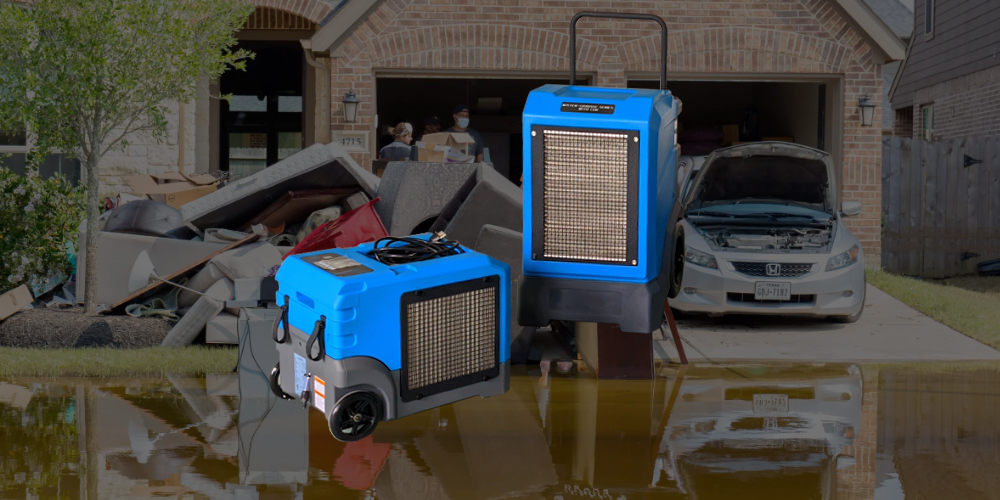
Plumbing leaks are one of the most common causes of indoor air quality problems in Palm Bay homes. While visible water damage often receives immediate attention, the hidden effects on air quality can linger long after surfaces appear dry. In a humid Florida climate, even a small leak can introduce excess moisture into walls, insulation, flooring, and HVAC systems—creating the perfect environment for mold growth, bacterial buildup, and airborne contaminants.
Improving indoor air quality (IAQ) after plumbing leaks requires more than just fixing the pipe. It involves identifying moisture sources, removing contaminants, drying affected materials, and restoring proper ventilation. This comprehensive guide explains the causes of air quality issues after leaks, expected costs, and effective solutions for homeowners in Palm Bay.
Why Plumbing Leaks Affect Indoor Air Quality
When plumbing systems fail—whether due to burst pipes, slab leaks, or faulty fixtures—water spreads quickly through porous materials. Even if the leak is repaired promptly, moisture can remain trapped in:
- Drywall and insulation
- Subflooring and baseboards
- Carpet padding
- HVAC ducts
- Crawl spaces
As materials remain damp, they create conditions favorable for mold spores, bacteria, and dust mites. Over time, these contaminants become airborne and circulate through the home’s ventilation system.
In Palm Bay’s warm and humid environment, moisture evaporates slowly indoors without proper drying and airflow, compounding the problem.
Common Causes of IAQ Problems After Plumbing Leaks
1. Mold Growth
Mold can begin developing within 24–48 hours after moisture exposure. Once established, spores spread through HVAC systems and air currents.
2. Increased Humidity Levels
Leaks elevate indoor humidity, sometimes exceeding safe levels of 60%. Persistent humidity encourages microbial growth and dust mite activity.
3. Contaminated Insulation
Wet insulation can harbor bacteria and release particles into indoor air as it deteriorates.
4. Hidden Structural Moisture
Moisture trapped behind drywall or under flooring may not be visible but can continue affecting air quality for months.
5. HVAC System Contamination
If water enters ductwork or air handlers, spores and debris can circulate throughout the home.
Signs Indoor Air Quality Has Been Affected
After a plumbing leak, homeowners in Palm Bay should watch for:
- Persistent musty odors
- Allergy-like symptoms indoors
- Visible mold growth
- Condensation on windows or vents
- Increased humidity readings
- Dust accumulation or debris from vents
If these signs appear, professional assessment may be necessary.
Indoor Air Quality Testing Process
IAQ testing provides measurable data about air contamination and moisture levels.
Step 1: Visual Inspection
Technicians inspect for visible mold, water damage, and ventilation issues.
Step 2: Moisture Mapping
Moisture meters and thermal imaging cameras detect hidden damp areas.
Step 3: Air Sampling
Air samples measure mold spores and airborne particles compared to outdoor levels.
Step 4: Humidity Assessment
Hygrometers determine whether indoor humidity exceeds recommended levels.
Step 5: HVAC Evaluation
Inspect ducts, coils, and drain pans for contamination or standing water.
A detailed report outlines contamination levels and corrective recommendations.
Solutions for Improving Indoor Air Quality
Addressing IAQ issues requires eliminating moisture sources and removing contaminants.
1. Water Extraction and Drying
Immediate removal of standing water prevents prolonged dampness.
- Industrial air movers
- Commercial dehumidifiers
- Moisture monitoring
Thorough drying prevents secondary mold growth.
2. Mold Remediation
If mold is detected:
- Containment barriers prevent spore spread
- Contaminated drywall or insulation may be removed
- Antimicrobial cleaning applied to affected surfaces
- Post-remediation verification ensures air safety
3. HVAC Cleaning and Restoration
Duct cleaning removes accumulated spores and debris. Technicians may:
- Clean air handlers
- Replace filters
- Sanitize ducts
- Clear condensate lines
This prevents recirculation of contaminants.
4. Dehumidification Systems
Whole-home dehumidifiers maintain indoor humidity between 40–60%.
In Palm Bay’s humid climate, ongoing moisture control is essential to long-term IAQ improvement.
5. Ventilation Upgrades
Improving airflow reduces humidity buildup:
- Install energy recovery ventilators (ERVs)
- Repair attic or crawl space vents
- Upgrade bathroom and kitchen exhaust fans
Proper airflow prevents stagnant air pockets.
6. Insulation Replacement
Water-damaged insulation should be replaced to eliminate microbial contamination and restore energy efficiency.
Cost Breakdown for IAQ Improvement
Costs vary depending on severity and home size.
Inspection and Testing
- Basic IAQ testing: $250–$500
- Comprehensive testing with multiple samples: $500–$1,200
Drying and Dehumidification
- Small affected area: $800–$2,000
- Larger water intrusion: $2,000–$5,000
Mold Remediation
- Minor localized mold: $1,000–$3,000
- Extensive contamination: $3,000–$10,000+
HVAC Cleaning
- Standard duct cleaning: $400–$1,200
Whole-Home Dehumidifier Installation
- $1,500–$3,500
While these costs may seem substantial, early intervention prevents structural damage and extensive renovations later.
Preventing Future IAQ Issues
Palm Bay homeowners can reduce risk by:
- Scheduling routine plumbing inspections
- Monitoring water bills for unexpected increases
- Maintaining HVAC systems regularly
- Using dehumidifiers during humid seasons
- Sealing foundation cracks
- Ensuring proper attic and crawl space ventilation
- Installing water leak detection devices
Preventive maintenance significantly lowers long-term expenses.
The Role of Florida’s Climate
Palm Bay’s subtropical climate features:
- High year-round humidity
- Heavy rainfall during storm season
- Warm temperatures that accelerate microbial growth
These conditions make rapid drying and ventilation essential after plumbing leaks.
Ignoring small leaks can lead to widespread IAQ problems due to Florida’s moisture-rich air.
Long-Term Benefits of IAQ Improvement
- Healthier breathing environment
- Reduced mold recurrence
- Lower humidity-related damage
- Extended lifespan of building materials
- Improved HVAC efficiency
- Higher property resale value
Clean indoor air is not just about comfort—it protects structural integrity and overall home value.
Why Professional Services Matter
Certified IAQ professionals understand:
- Moisture behavior in slab foundations
- Coastal humidity patterns
- Safe mold remediation standards
- Florida building regulations
Professional assessment ensures accurate diagnosis and effective solutions.
Conclusion
Plumbing leaks in Palm Bay homes can have long-lasting effects on indoor air quality, especially in Florida’s humid climate. Even after visible water is removed, hidden moisture can foster mold growth, contaminate insulation, and circulate airborne particles through HVAC systems.
Indoor air quality improvement services address both the symptoms and root causes of contamination. Through testing, drying, remediation, HVAC cleaning, and ventilation upgrades, homeowners can restore a healthy indoor environment and prevent future damage.
In a moisture-prone city like Palm Bay, proactive response to plumbing leaks protects both property and well-being. Investing in air quality improvement today prevents costly repairs and health concerns tomorrow.