
Palm Bay Indoor Air Quality Improvement After Plumbing Leaks: Costs, Causes, and Solutions
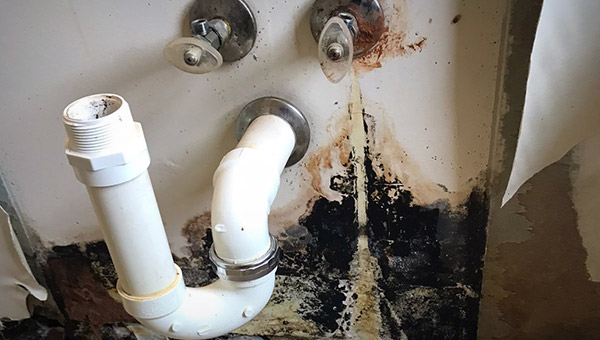
Plumbing leaks may seem like minor inconveniences at first—a dripping pipe under the sink or a slow leak behind a washing machine. However, in Palm Bay, where humidity levels are already high for much of the year, even small water leaks can significantly affect indoor air quality. When water seeps into walls, flooring, insulation, or cabinetry, it creates the ideal environment for mold growth, bacterial contamination, and lingering odors.
Improving indoor air quality after plumbing leaks is not just about drying visible water. It involves identifying hidden moisture, eliminating contaminants, restoring proper ventilation, and preventing future problems. This comprehensive guide explains the causes of air quality issues after plumbing leaks, the potential health risks, typical costs involved, and effective long-term solutions for Palm Bay homeowners.
Why Plumbing Leaks Impact Indoor Air Quality
Plumbing leaks introduce moisture into enclosed spaces where airflow is limited. Common leak sources include:
- Broken supply lines under sinks
- Slab leaks beneath flooring
- Leaking water heaters
- Damaged washing machine hoses
- Faulty dishwasher connections
- Toilet seal failures
- Condensation from AC drain lines
When water saturates drywall, wood framing, carpet padding, or insulation, these materials begin to deteriorate. Within 24–48 hours, mold spores naturally present in the air can begin colonizing damp surfaces. As mold grows, it releases microscopic spores into the air, affecting indoor air quality.
In Palm Bay’s warm climate, moisture does not evaporate quickly, which increases the risk of prolonged dampness and contamination.
Common Causes of Indoor Air Contamination After Leaks
1. Mold Growth
Mold thrives in dark, moist environments. Leaks behind walls or beneath cabinets often go unnoticed for weeks, allowing mold colonies to expand.
2. Bacterial Contamination
Gray water leaks from appliances may contain contaminants that compromise indoor air.
3. Material Deterioration
Wet drywall and wood break down over time, releasing particles and odors into the air.
4. Elevated Humidity Levels
Excess moisture increases indoor humidity, creating a heavy, uncomfortable atmosphere and encouraging microbial growth.
5. HVAC System Contamination
If moisture enters ductwork or air handlers, spores and odors can circulate throughout the home.
Warning Signs of Poor Indoor Air Quality After a Leak
Homeowners should monitor for:
- Persistent musty odors
- Increased allergy symptoms
- Visible mold spots on walls or ceilings
- Peeling paint or bubbling drywall
- Warped flooring
- Condensation on windows
- Increased indoor humidity
Even if the leak appears repaired, hidden moisture may still affect air quality.
Health Risks Associated with Poor Indoor Air
Indoor air contamination can lead to:
- Respiratory irritation
- Chronic coughing or sneezing
- Sinus congestion
- Headaches
- Fatigue
- Asthma flare-ups
- Skin irritation
Young children, elderly individuals, and those with respiratory conditions are particularly vulnerable.
Professional Indoor Air Quality Assessment
Improving air quality begins with accurate assessment. Professionals use:
Moisture Meters
To detect hidden dampness in building materials.
Thermal Imaging
To locate trapped moisture behind walls.
Air Sampling Tests
To measure mold spore levels.
Humidity Readings
To assess overall indoor moisture levels.
Surface Testing
To confirm microbial contamination if visible growth is present.
A comprehensive inspection ensures that both visible and hidden contamination are addressed.
Solutions for Indoor Air Quality Improvement
1. Immediate Water Extraction
Standing water must be removed quickly using professional pumps and vacuums.
2. Structural Drying
Industrial air movers and dehumidifiers remove moisture from walls, floors, and insulation.
3. Mold Remediation
If mold is present, containment procedures prevent cross-contamination while affected materials are safely removed or treated.
4. HEPA Air Scrubbing
High-efficiency particulate air (HEPA) filters capture airborne mold spores and contaminants.
5. HVAC Cleaning
Duct cleaning may be necessary if moisture affected the ventilation system.
6. Antimicrobial Treatments
Preventive treatments reduce the risk of future microbial growth.
7. Odor Neutralization
Specialized equipment eliminates musty odors caused by water damage.
Costs of Indoor Air Quality Improvement in Palm Bay
Costs vary depending on severity, but typical ranges include:
- Basic moisture inspection: $200–$500
- Air quality testing: $300–$700
- Water extraction and drying: $1,000–$3,500
- Mold remediation: $1,500–$6,000+
- Duct cleaning: $400–$1,000
- HEPA air scrubbing services: $500–$1,500
While these figures may seem significant, they are far less expensive than long-term structural repairs or ongoing health issues caused by untreated contamination.
How to Prevent Future Indoor Air Problems
Regular Plumbing Inspections
Inspect pipes, connections, and appliance hoses at least annually.
Install Leak Detection Devices
Smart leak detectors provide early alerts before water spreads.
Monitor Indoor Humidity
Keep humidity between 30–50% using dehumidifiers.
Maintain HVAC Systems
Ensure condensate lines are clear and filters are replaced regularly.
Upgrade to Mold-Resistant Materials
Consider moisture-resistant drywall in bathrooms and kitchens.
Improve Ventilation
Install exhaust fans in high-moisture areas.
Address Minor Leaks Immediately
Even small drips can cause major air quality problems if ignored.
Real-Life Example
A Palm Bay homeowner noticed a slow drip beneath their kitchen sink. After tightening the connection, they assumed the issue was resolved. Months later, a musty odor developed. An inspection revealed:
- Mold growth inside the cabinet
- Moisture damage in the drywall behind the sink
- Elevated spore counts in indoor air
Professional remediation, HEPA filtration, and structural drying restored the air quality. Early intervention would have reduced the remediation scope and cost.
Why Professional Services Are Essential
DIY cleanup often addresses only visible water. Hidden moisture behind walls and under flooring requires specialized tools and expertise. Professionals ensure:
- Complete moisture removal
- Accurate mold detection
- Safe containment
- Proper drying verification
- Improved long-term air quality
Without professional drying and filtration, residual dampness may continue to impact indoor air.
Long-Term Benefits of Indoor Air Quality Improvement
Investing in air quality restoration provides:
- Healthier living conditions
- Reduced allergy symptoms
- Improved HVAC efficiency
- Increased property value
- Lower risk of recurring mold growth
- Greater peace of mind
Clean, dry air enhances comfort and protects both the home and its occupants.
Final Thoughts
Plumbing leaks in Palm Bay homes can silently compromise indoor air quality long after visible water is cleaned up. Hidden moisture creates conditions for mold growth, odors, and airborne contaminants that affect health and structural integrity.
By understanding the causes, recognizing warning signs, and investing in professional indoor air quality improvement services, homeowners can prevent long-term damage and costly repairs. Prompt action, combined with preventive maintenance, ensures that your home remains safe, dry, and comfortable year-round.
Indoor air quality is not just about comfort—it is about protecting your family’s health and preserving your property’s value. Address plumbing leaks quickly, conduct thorough inspections, and implement long-term moisture control strategies to prevent future damage in your Palm Bay home.