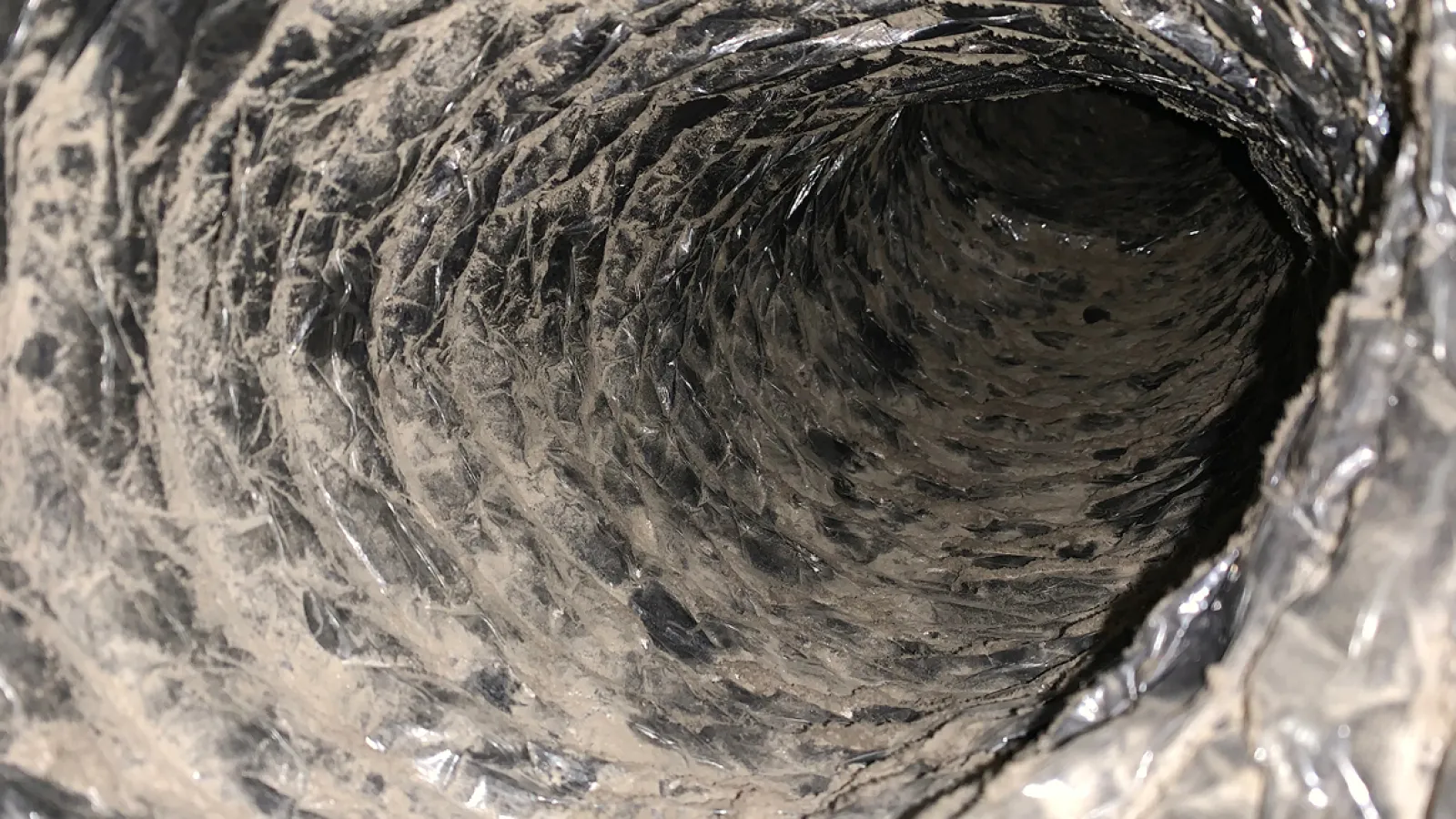
How to Prevent Future Damage: Air Duct Cleaning in Rockledge After Storm Damage
Storm damage can affect more than roofs, windows, and flooring. In many Rockledge homes, one of the most overlooked areas after a storm is the air duct system. When heavy rain, flooding, or high humidity enters a property, moisture and debris can accumulate inside ductwork. If these issues are not addressed promptly, they can lead to reduced airflow, persistent odors, and long-term moisture problems.
Understanding why air duct cleaning becomes important after storm damage—and how it helps prevent future damage—can help homeowners protect their HVAC systems and maintain healthier indoor conditions.
How Storm Damage Affects Air Duct Systems
Air ducts are designed to carry conditioned air throughout a home, but they are not immune to moisture. During storms, several things can introduce water or debris into the system.
Roof leaks may allow water to enter ceiling cavities where ductwork is located. Flooding or high humidity can also cause condensation to form on duct surfaces, especially when cold air flows through warm, damp spaces.
In some cases, strong winds may introduce dust, insulation particles, or outdoor debris into vents and returns. Once inside the duct system, this material can settle and restrict airflow.
Because ductwork is hidden behind walls and ceilings, these problems may go unnoticed until symptoms begin to appear.
Why Air Duct Cleaning Is Important After Storms
Moisture and debris inside duct systems create conditions that can lead to long-term damage. Dust and organic material that become damp may begin to break down, creating odors and contributing to indoor air quality issues.
Restricted airflow is another concern. When debris accumulates inside ducts, HVAC systems must work harder to circulate air, increasing energy consumption and placing additional strain on equipment.
In humid climates like Rockledge, moisture left inside ducts may also increase the risk of mold developing within the system. Cleaning and drying ductwork after storm damage helps prevent these problems from developing later.
Warning Signs That Duct Cleaning May Be Needed
Property owners often notice several signs that indicate duct systems may have been affected by storm damage.
A musty or damp odor when the air-conditioning system starts is one of the most common indicators. This smell may be stronger after the system has been off overnight.
Reduced airflow from vents or uneven cooling in different rooms can also signal that debris or moisture is restricting airflow.
Some homeowners notice dust collecting more quickly than usual on furniture or around vents, suggesting that contaminants are circulating through the system.
Water staining on ceilings near vents may indicate that moisture has entered ductwork or surrounding insulation.
Recognizing these warning signs early helps prevent larger problems.
Hidden Areas Where Moisture and Debris Accumulate
After a storm, moisture often settles in areas that are difficult to inspect without specialized tools.
Duct insulation can absorb water and remain damp for long periods, especially in attic spaces. Ceiling cavities where ducts run may also trap humidity.
Air handlers and return ducts are particularly vulnerable because they draw large volumes of air through the system. If debris or moisture enters these areas, it may spread throughout the entire duct network.
In many Rockledge homes, moisture inside ducts is discovered only after odors or airflow problems begin.
Why DIY Cleaning Often Doesn’t Solve the Problem
Cleaning vent covers or vacuuming near registers may improve appearance temporarily, but these methods rarely remove debris or moisture deep inside ductwork.
Household tools cannot reach long duct runs or bends where contaminants accumulate. In addition, moisture problems often require drying equipment and humidity control, not just cleaning.
Another challenge is identifying the source of moisture. Without inspecting insulation, drain lines, and surrounding structures, it is difficult to determine whether the problem has been fully resolved.
Professional cleaning focuses on both removing contaminants and correcting the conditions that allowed them to develop.
The Air Duct Cleaning and Drying Process
Professional duct cleaning usually begins with an inspection of the HVAC system and duct network. Technicians evaluate accessible duct sections, air handlers, and insulation to determine the extent of contamination or moisture.
Specialized equipment is used to remove dust and debris from duct interiors. High-powered vacuum systems help prevent particles from spreading into living spaces during cleaning.
If moisture is present, drying equipment such as air movers or dehumidifiers may be used to remove excess humidity from ducts and surrounding areas.
Filters are often replaced, and drain lines may be inspected to ensure proper system operation.
Companies such as Tip Top Water and Fire Damage Restoration frequently find that thorough duct cleaning and drying significantly improve airflow and indoor comfort after storm damage.
The Role of HVAC Maintenance After Storms
Air-conditioning systems play an important role in removing humidity from indoor air. When systems are not maintained properly, moisture may remain trapped in ducts and ceilings.
After a storm, it is often beneficial to have HVAC components inspected, including evaporator coils, drain pans, and condensate lines. Ensuring these parts are functioning properly helps prevent future moisture problems.
Regular filter replacement and periodic system inspections also reduce the risk of debris entering the duct system.
Mold Risks Associated with Damp Ductwork
One of the main reasons air duct cleaning is important after storm damage is the risk of mold growth. Mold thrives in warm, damp environments, and duct systems can provide ideal conditions if moisture remains present.
Because ducts distribute air throughout a home, mold inside the system can affect multiple rooms. Cleaning and drying ducts promptly helps reduce this risk and supports healthier indoor air quality.
Early action is especially important in Florida’s humid climate, where drying takes longer than in many other regions.
Practical Steps to Prevent Future Damage
Property owners can take several steps to reduce the likelihood of duct-related problems after storms.
Inspect ceilings and vents after heavy rain to check for staining or unusual odors. Addressing small leaks early prevents moisture from spreading into ductwork.
Keep gutters and drainage systems clear so water is directed away from the home. This reduces the risk of roof leaks and water intrusion.
Schedule periodic HVAC maintenance to ensure that drain lines, filters, and insulation remain in good condition.
Using dehumidifiers during especially humid periods can also help maintain safe moisture levels indoors.
These preventive steps can significantly reduce the risk of recurring damage.
Why Local Experience Matters
Air duct systems in Rockledge and other Brevard County communities are affected by weather patterns, humidity levels, and building construction methods specific to the region. Professionals familiar with local conditions understand how storms impact ductwork and how to dry systems effectively in humid environments.
Tip Top Water and Fire Damage Restoration has handled many post-storm duct cleaning projects where early inspections prevented more extensive repairs and improved system efficiency.
Local experience helps ensure that cleaning and drying methods are suited to Florida’s climate.
A Calm, Practical Next Step
Storm damage can affect areas of a home that are not immediately visible, and air ducts are often overlooked. Paying attention to airflow changes, odors, and humidity levels can help homeowners recognize when cleaning may be needed.
With timely inspection, thorough cleaning, and proper maintenance, most duct-related issues in Rockledge homes can be resolved before they lead to larger HVAC or moisture problems. Taking preventive steps after storms helps protect both the comfort of a home and the longevity of its mechanical systems.