Carpet Cleaning After Flooding in Palm Bay from AC Condensation: What Homeowners Should Know
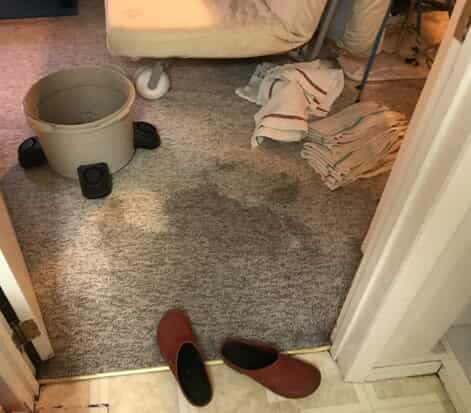
Many homeowners in Palm Bay are surprised to learn that flooding doesn’t always come from storms or plumbing failures. In Florida’s humid climate, air-conditioning systems can sometimes create enough condensation to cause moisture buildup in carpets, especially when drain lines clog or humidity levels remain high. Over time, that moisture can soak into carpet fibers and padding, leading to odors, staining, and even mold growth if not addressed properly.
Understanding how AC condensation affects carpets, how professional cleaning works, and what homeowners can do to prevent future problems can help protect both flooring and indoor air quality.
How AC Condensation Leads to Carpet Moisture
Air-conditioning systems remove humidity from indoor air as part of normal operation. This moisture collects in the system and drains away through a condensate line. When that line becomes clogged or drainage slows, water can overflow or accumulate in nearby areas.
In some homes, condensation issues may lead to:
- Damp carpet near air handlers or vents
- Moisture seeping into padding and subflooring
- Musty odors developing over time
- Staining or discoloration of carpet fibers
Because condensation leaks are often slow, damage may develop gradually and go unnoticed until odors or dampness appear.
Why Condensation Problems Are Common in Palm Bay
Palm Bay’s climate creates conditions where AC systems run for long periods, especially during hot and humid months. This constant operation increases the amount of condensation produced.
Several local factors contribute to condensation-related carpet issues:
- High outdoor humidity
- Continuous air-conditioning use
- Clogged or partially blocked drain lines
- Poor airflow or ventilation
- Aging HVAC components
Homes in nearby communities such as Melbourne, West Melbourne, and Rockledge often experience similar problems, particularly during the summer rainy season.
Early Signs Carpets May Be Affected
Condensation-related moisture often develops slowly, and early warning signs may be subtle.
Homeowners should watch for:
- Damp or musty smells near vents or air handlers
- Carpet feeling cool or slightly damp
- Discoloration in localized areas
- Increased indoor humidity
- Minor staining near walls or baseboards
These signs often indicate moisture trapped beneath the carpet surface.
Hidden Damage Beneath Flooded or Damp Carpets
One of the biggest risks with condensation leaks is hidden moisture. Carpet padding and subflooring can remain wet long after the surface feels dry.
Hidden problems may include:
- Mold developing in padding
- Warping of subfloor materials
- Moisture spreading into nearby walls
- Odors caused by bacteria or mildew
Because these issues develop out of sight, professional inspection is often necessary to determine the full extent of moisture.
Why DIY Carpet Drying Often Falls Short
Some homeowners attempt to dry damp carpets using fans or opening windows. While this may remove surface moisture, deeper layers often remain wet.
DIY drying usually fails because:
- Padding remains saturated
- Humidity levels stay elevated
- Drying is uneven
- Moisture trapped beneath carpets continues to spread
Professional equipment is designed to extract water and dry materials thoroughly, reducing the risk of mold growth.
How Professional Carpet Cleaning After Flooding Works
Carpet cleaning after flooding or condensation damage involves more than standard cleaning. The goal is to remove moisture, eliminate contaminants, and restore safe indoor conditions.
The process typically includes:
- Inspecting the affected areas
- Measuring moisture levels in carpets and subfloors
- Extracting water using specialized equipment
- Cleaning and sanitizing carpet fibers
- Drying with air movers and dehumidifiers
- Monitoring moisture levels until drying is complete
Professionals familiar with local conditions, such as teams working with Palm Bay Mold Removal, often focus on identifying the condensation source to prevent recurring moisture problems.
Structural Drying and Moisture Control
After water extraction, structural drying ensures that carpets, padding, and nearby materials reach safe moisture levels. This step is especially important in humid climates where natural evaporation is slow.
Structural drying may involve:
- Air movers to increase airflow
- Dehumidifiers to remove moisture from the air
- Daily monitoring of humidity levels
Proper drying helps prevent mold growth and protects flooring materials.
HVAC Systems and Condensation Issues
Since AC systems are often the source of condensation, inspecting HVAC components is an important part of the process.
Common HVAC-related causes of condensation leaks include:
- Clogged condensate drain lines
- Dirty evaporator coils
- Improperly installed drain pans
- Restricted airflow
Routine HVAC maintenance significantly reduces the likelihood of condensation-related flooding.
Costs: What Influences Carpet Cleaning After Condensation Damage
Costs vary depending on several factors, but understanding these factors helps homeowners plan appropriately.
Key cost factors include:
- Size of the affected carpet area
- Depth of moisture saturation
- Condition of carpet padding
- Drying time required
- Additional repairs needed
Addressing moisture early often reduces overall restoration costs.
How to Prevent Carpet Damage from AC Condensation
Preventive maintenance is one of the most effective ways to reduce condensation-related problems.
Helpful prevention tips include:
- Inspect and clean condensate drain lines regularly
- Replace HVAC filters on schedule
- Ensure proper attic and duct insulation
- Monitor indoor humidity levels
- Schedule periodic HVAC inspections
These steps help maintain efficient airflow and reduce the risk of water accumulation.
Why Local Experience Matters
Homes in Palm Bay are affected by high humidity, heavy rainfall, and continuous air-conditioning use. Professionals who work regularly in Brevard County understand how these environmental conditions affect HVAC systems and indoor moisture.
Local experience helps technicians:
- Identify common condensation-related issues
- Recommend effective drying methods
- Recognize seasonal humidity patterns
This knowledge often leads to faster inspections and more reliable results.
A Practical Next Step for Homeowners
Condensation-related carpet moisture can seem minor at first, but it can lead to larger problems if ignored. Paying attention to damp odors, minor staining, or increased humidity allows homeowners to take action early.
Professional carpet cleaning after flooding or condensation helps remove moisture, prevent mold growth, and restore indoor comfort. In Palm Bay’s humid climate, staying proactive with HVAC maintenance and moisture control remains one of the best ways to protect flooring and maintain a healthy home environment.