How Mold Remediation Helps Homes in Merritt Island After Flooding
Flooding is one of the most damaging events a homeowner can face, especially in coastal communities like Merritt Island. Heavy rain, storm surge, plumbing failures, and overflowing drainage systems can introduce large amounts of water into a home in a short period of time. Even after visible water is removed, moisture often remains trapped in walls, flooring, insulation, and ductwork.
When moisture lingers, mold can begin to develop—sometimes within a short period—making mold remediation an essential step in restoring a home after flooding. Understanding how remediation works and why it matters helps homeowners protect their property and prevent long-term damage.
Why Flooding Often Leads to Mold Growth
Floodwater doesn’t just sit on the surface. It seeps into porous materials such as drywall, wood framing, carpet padding, and insulation. These materials can remain damp long after the home appears dry.
Mold thrives in environments that are:
- Damp
- Warm
- Poorly ventilated
- Dark or enclosed
Because Merritt Island experiences high humidity year-round, moisture trapped after flooding can take longer to evaporate naturally, increasing the likelihood of mold growth.
Why Homes in Merritt Island Are Especially Vulnerable
Coastal homes face environmental conditions that make both flooding and mold more likely.
Several local factors contribute:
- Frequent heavy rainfall and tropical storms
- High humidity slowing drying
- Warm temperatures that accelerate mold growth
- Salt air affecting building materials and HVAC components
- Low-lying areas prone to water intrusion
Homes in nearby areas such as Cocoa Beach, Titusville, and Rockledge often face similar challenges, especially during hurricane season or prolonged rainy periods.
Early Signs Mold May Be Developing After Flooding
Mold does not always appear immediately after flooding. In many cases, early warning signs develop gradually.
Homeowners should watch for:
- Musty or damp odors
- Dark spots on walls or ceilings
- Peeling paint or bubbling drywall
- Increased indoor humidity
- Warping or softening of materials
These signs often indicate moisture remains inside structural components.
Hidden Areas Where Mold Commonly Develops After Flooding
Some of the most serious mold problems occur in areas that are difficult to see or access.
Common hidden mold locations include:
- Inside wall cavities
- Beneath flooring or carpet padding
- Attic insulation
- Behind baseboards
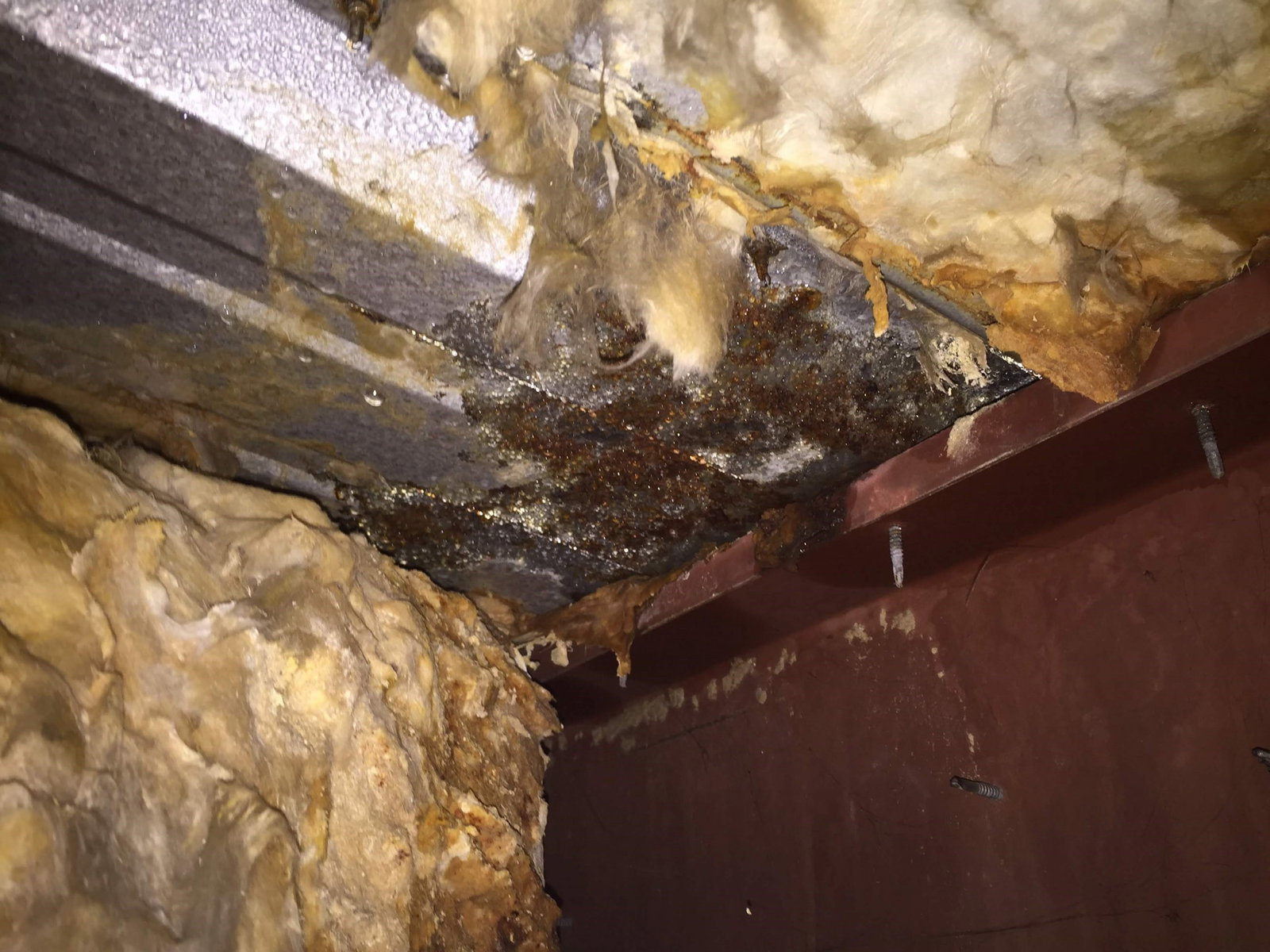
- Inside HVAC ducts or air handlers
Because mold in these areas is not visible, professional inspections are often necessary after significant flooding.
How Mold Remediation Helps Restore a Home
Mold remediation is a structured process designed to remove contamination safely and correct the conditions that allowed mold to develop. This process helps restore indoor air quality and prevents further damage to the home.
Key benefits of remediation include:
- Removing mold growth and contaminated materials
- Reducing airborne spores
- Restoring safe moisture levels
- Preventing mold from spreading
- Protecting structural components
Proper remediation focuses on both removal and prevention, ensuring that moisture sources are addressed.
The Mold Remediation Process Explained
After flooding, mold remediation typically follows several steps to ensure the home is restored safely and thoroughly.
1. Inspection and Moisture Assessment
Technicians begin by identifying affected areas and measuring moisture levels in walls, flooring, and ceilings. Specialized tools help locate hidden moisture that may not be visible.
2. Containment of Affected Areas
Containment prevents mold spores from spreading to other parts of the home during cleaning and removal.
3. Air Filtration and Cleaning
Air filtration equipment helps capture airborne particles, improving indoor air quality during the remediation process.
4. Removal of Contaminated Materials
In some cases, materials such as drywall, insulation, or carpeting must be removed if they are heavily affected.
5. Drying and Dehumidification
Air movers and dehumidifiers are used to remove remaining moisture and restore safe humidity levels.
6. Repairs and Restoration
Once the structure is dry, repairs may be completed to restore affected areas.
Professionals familiar with local conditions, such as teams working with Palm Bay Mold Removal, often focus on correcting the moisture source to prevent recurrence.
Water Damage Restoration and Structural Drying
Mold remediation is often part of a larger restoration process following flooding. Before mold removal can be completed effectively, the home must be thoroughly dried.
Water damage restoration may involve:
- Water extraction
- Structural drying
- Moisture monitoring
- Cleaning and sanitizing surfaces
Proper drying is essential because mold remediation alone will not prevent regrowth if moisture remains.
HVAC Systems and Mold After Flooding
HVAC systems can be affected when flooding or high humidity reaches ducts or air handlers. Wet duct insulation and condensation can spread moisture and spores throughout the home if not addressed.
Common HVAC-related concerns include:
- Wet or contaminated duct insulation
- Clogged condensate drains
- Reduced airflow
- Increased indoor humidity
Routine inspection and cleaning help restore proper airflow and prevent future mold problems.
Costs: What Influences Mold Remediation After Flooding
The cost of mold remediation varies depending on several factors. While every situation is different, some common factors include:
- Size of the affected area
- Extent of mold growth
- Amount of water damage
- Materials that require replacement
- Drying time required
Addressing flooding and mold early usually reduces overall restoration costs significantly.
How Homeowners Can Reduce Mold Risks After Flooding
Quick action after flooding is one of the most effective ways to prevent mold problems.
Helpful steps include:
- Removing standing water as soon as possible
- Increasing ventilation and airflow
- Running dehumidifiers
- Inspecting attics and wall areas for moisture
- Scheduling professional inspections when needed
Even small amounts of trapped moisture can lead to mold if left untreated.
Why Local Experience Matters
Homes in Merritt Island face environmental conditions that differ from inland areas. Coastal humidity, storms, and prolonged AC use all affect how moisture behaves inside a structure.
Professionals familiar with Brevard County understand:
- Typical flood-related damage patterns
- Common moisture entry points
- Seasonal humidity trends
This knowledge helps ensure remediation is thorough and long-lasting.
A Practical Next Step for Homeowners
Flooding can be overwhelming, but prompt action helps prevent long-term problems. Mold remediation helps restore safe conditions, protect structural materials, and improve indoor air quality.
For homeowners in Merritt Island, early inspection, proper drying, and professional remediation when needed remain the most effective ways to protect property and maintain a healthy living environment.