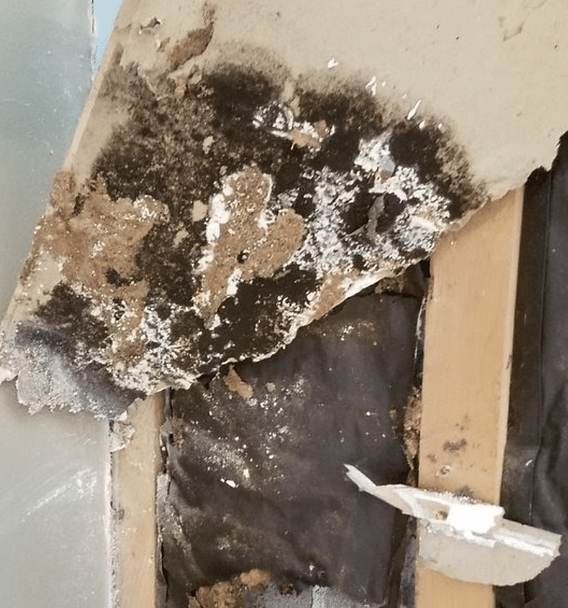
Black Mold Removal in Palm Bay in Coastal Homes: Inspection and Repair Guide
Coastal homes in Palm Bay face unique challenges when it comes to moisture control. Warm temperatures, salty air, heavy seasonal rains, and high humidity create an environment where black mold can develop quickly if moisture is not properly managed. In many cases, mold begins in hidden areas—attics, ductwork, wall cavities, or around windows—before homeowners even realize there is a problem.
Understanding how black mold forms, how inspections work, and how repairs are handled can help homeowners take the right steps to protect their property and maintain a safe indoor environment.
What Black Mold Is and Why It Appears in Coastal Homes
Black mold is a type of mold that thrives in damp, dark environments where moisture remains for extended periods. Coastal homes often experience higher humidity levels than inland properties, making moisture control especially important.
Black mold commonly develops in areas such as:
- Ceiling cavities after roof leaks
- Walls affected by plumbing leaks
- Air-conditioning systems and ducts
- Under flooring or carpeting
- Attics with poor ventilation
Because mold spreads through airborne spores, small areas of growth can expand quickly if moisture remains untreated.
Why Coastal Conditions in Palm Bay Increase Mold Risk
Palm Bay’s coastal climate plays a major role in mold growth. High humidity levels remain consistent throughout much of the year, and storms can introduce moisture into homes in ways that are not always immediately visible.
Several local factors increase mold risk:
- Warm, humid air entering attics and crawl spaces
- Salt air accelerating corrosion of HVAC components
- Storm-driven rain entering through small roof or window gaps
- Continuous air-conditioning use creating condensation
- Poor ventilation in enclosed areas
Homes in nearby communities such as Melbourne, Satellite Beach, and Merritt Island often experience similar conditions, particularly during the summer and hurricane season.
Early Warning Signs Homeowners Should Not Ignore
Black mold rarely appears overnight. Most homes show early warning signs that moisture is present.
Common warning signs include:
- Musty or earthy odors
- Dark spotting on walls or ceilings
- Peeling paint or bubbling drywall
- Increased indoor humidity
- Persistent condensation on windows or vents
These signs often indicate hidden moisture problems that should be inspected promptly.
Hidden Areas Where Mold Often Develops
Some of the most serious mold problems occur in places homeowners rarely inspect. Coastal homes often have areas where airflow is limited and humidity accumulates.
Common hidden mold locations include:
- Inside attic insulation
- Behind bathroom or kitchen walls
- Around air handler units
- Beneath laminate or carpet flooring
- Inside duct insulation
Because these areas are difficult to access, mold may grow for months before becoming visible.
Why DIY Black Mold Removal Usually Fails
When mold becomes visible, many homeowners attempt to clean it using household products. While this may remove surface staining, it rarely addresses the underlying cause.
DIY removal often fails because:
- Moisture sources remain untreated
- Mold inside walls or ducts is missed
- Porous materials remain contaminated
- Spores spread during cleaning
Without correcting ventilation or moisture problems, mold often returns.
Professional Mold Inspection Explained
A professional inspection is the first step in addressing black mold effectively. The purpose of the inspection is to determine how far contamination has spread and identify the source of moisture.
Inspection procedures often include:
- Visual assessment of affected areas
- Moisture readings in walls, ceilings, and flooring
- Inspection of HVAC systems and ductwork
- Evaluation of attic ventilation
Professionals familiar with local conditions, such as teams working with Palm Bay Mold Removal, often recognize patterns related to coastal humidity and storm-related moisture, allowing them to locate hidden mold more efficiently.
The Black Mold Removal Process
Once mold is confirmed, removal follows a structured process designed to protect both the home and indoor air quality.
Typical steps include:
- Containing the affected area
- Using air filtration equipment to capture spores
- Removing contaminated materials when necessary
- Cleaning and treating affected surfaces
- Drying the structure thoroughly
- Correcting moisture or ventilation problems
This process ensures that mold is removed safely and helps prevent recurrence.
Repairs Often Needed After Mold Removal
In some cases, building materials damaged by mold or moisture must be repaired or replaced. The extent of repairs depends on how long moisture was present and how far contamination spread.
Common repairs include:
- Replacing sections of drywall
- Installing new insulation
- Repairing ceiling panels
- Sealing roof leaks or plumbing issues
- Improving attic ventilation
Addressing the underlying moisture source is essential to prevent future mold growth.
Water Damage and Mold Prevention
Black mold often develops after water damage, even when the original leak seems minor. Storms, plumbing leaks, and AC condensation can all leave moisture trapped in building materials.
Drying and restoration may involve:
- Structural drying with air movers and dehumidifiers
- Moisture monitoring
- Cleaning and treatment of affected areas
- Repairing damaged materials
Homes in areas such as Rockledge and Titusville often require similar restoration after heavy rains or plumbing failures.
HVAC Systems and Mold in Coastal Homes
Air-conditioning systems play a major role in controlling humidity, but they can also contribute to mold growth if not maintained properly.
Common HVAC-related causes include:
- Clogged condensate drains
- Dirty evaporator coils
- Wet duct insulation
- Restricted airflow
Routine maintenance and periodic duct inspections help prevent these issues.
How Homeowners Can Prevent Black Mold
Preventive maintenance is one of the most effective ways to reduce mold risk in coastal homes.
Helpful prevention tips include:
- Repair leaks immediately
- Replace air filters regularly
- Inspect attics and roofs annually
- Keep gutters clean and functioning
- Monitor indoor humidity levels
Maintaining proper ventilation and addressing small problems quickly can significantly reduce the likelihood of mold developing.
Why Local Experience Matters
Homes in Palm Bay are exposed to environmental conditions that differ from inland areas. Coastal humidity, heavy rains, and year-round cooling all affect how moisture behaves inside buildings.
Professionals familiar with the region understand:
- Common moisture entry points
- Typical attic and duct ventilation issues
- Seasonal humidity patterns
This local knowledge often leads to faster inspections and more effective repairs.
A Practical Next Step for Homeowners
Black mold problems can seem overwhelming, but most situations are manageable when addressed early. Paying attention to warning signs such as odors, stains, or humidity changes allows homeowners to act before damage spreads.
Regular inspections, proper ventilation, and timely repairs help keep coastal homes dry and comfortable. In Palm Bay, proactive maintenance remains one of the most effective ways to prevent black mold and protect long-term property value.