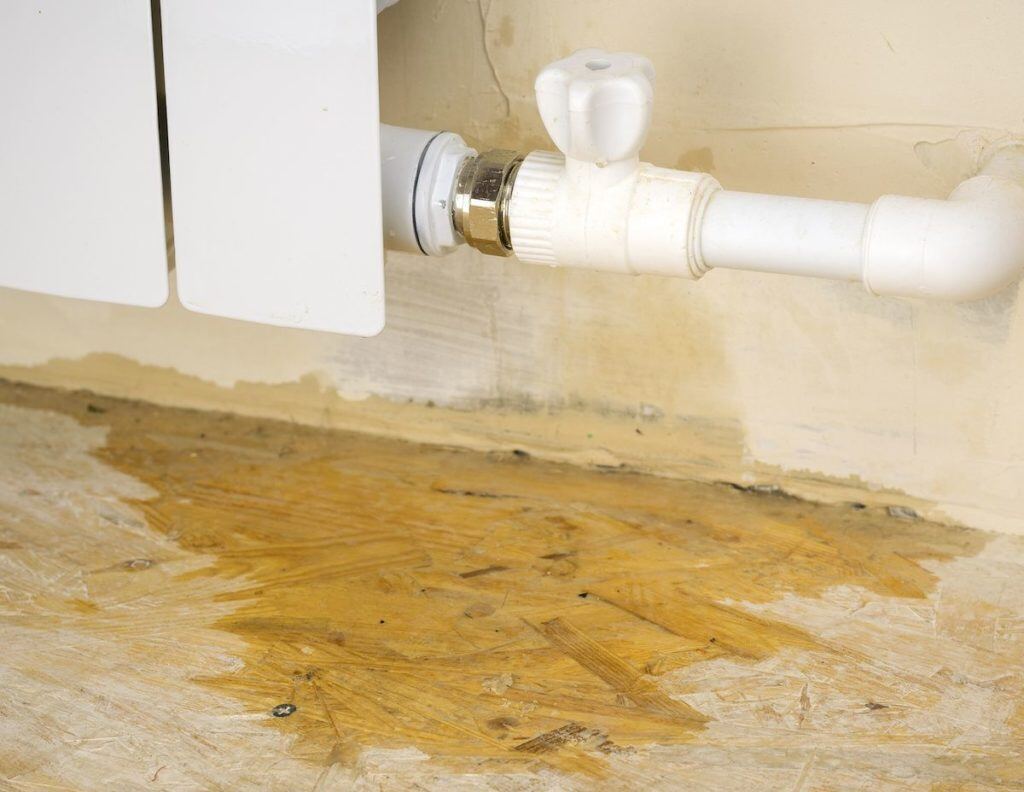
Mold Removal Services in Rockledge After Plumbing Leaks: What Homeowners Should Know
Plumbing leaks are one of the most common causes of mold growth in residential homes across Rockledge. A slow leak under a sink, a cracked pipe behind a wall, or a supply line failure can introduce moisture into building materials where it may remain unnoticed for days or even weeks. In Florida’s humid climate, that trapped moisture creates ideal conditions for mold to develop quickly.
Understanding how mold forms after plumbing leaks, how removal services work, and what homeowners can do to prevent future problems can help protect both property and indoor air quality.
How Plumbing Leaks Lead to Mold Growth
When water escapes from pipes, it often spreads into surrounding materials such as drywall, insulation, and wood framing. These materials absorb moisture easily and can remain damp long after the visible leak has been repaired.
Mold growth often begins in areas such as:
- Behind bathroom or kitchen walls
- Under sinks and cabinets
- Beneath flooring near appliances
- Inside wall cavities
- Around water heaters or laundry areas
Because these areas are enclosed and poorly ventilated, moisture can remain trapped long enough for mold to develop.
Why Mold Problems Are Common in Rockledge Homes
Rockledge homes face environmental conditions that naturally increase mold risk. High humidity, frequent storms, and year-round air-conditioning use make drying slower than in drier climates.
Several local factors contribute to mold after plumbing leaks:
- High humidity slowing evaporation
- Warm indoor temperatures encouraging mold growth
- Older plumbing systems in some neighborhoods
- Continuous AC operation creating condensation
- Poor ventilation in bathrooms or utility rooms
Nearby communities such as Cocoa, Merritt Island, and Palm Bay often experience similar challenges, especially during the rainy season when humidity levels remain elevated.
Early Warning Signs After a Plumbing Leak
Mold does not always appear immediately after a leak. Often, homeowners notice subtle signs before visible growth develops.
Common early warning signs include:
- A persistent musty odor
- Dark spots or discoloration on walls or ceilings
- Peeling paint or bubbling drywall
- Warped baseboards or flooring
- Increased indoor humidity
These signs often indicate hidden moisture and should not be ignored.
Hidden Areas Where Mold Often Develops
One of the biggest challenges with plumbing-related mold is that it frequently grows in places homeowners cannot see.
Common hidden locations include:
- Behind cabinets or vanities
- Inside wall cavities
- Under laminate or vinyl flooring
- Behind washing machines or dishwashers
- Inside insulation surrounding pipes
Because mold can grow in concealed spaces, the visible damage may represent only a small portion of the actual problem.
Why DIY Mold Removal Usually Fails
It’s common for homeowners to clean visible mold using household products. While this may remove surface staining, it rarely addresses the underlying moisture problem.
DIY removal often falls short because:
- Moisture sources remain untreated
- Mold inside walls or flooring is missed
- Porous materials remain contaminated
- Spores spread during improper cleaning
Without proper drying and remediation, mold often returns in the same area.
Professional Mold Inspection and Testing Explained
Mold removal services usually begin with a detailed inspection to determine the extent of contamination and locate the moisture source.
Inspection steps often include:
- Visual examination of affected areas
- Moisture readings in walls and flooring
- Checking plumbing lines and fixtures
- HVAC and ventilation evaluation
Professionals familiar with local conditions, such as teams working with Palm Bay Mold Removal, often recognize common patterns of plumbing-related moisture and can identify hidden damage quickly.
The Mold Removal and Remediation Process
Professional mold removal follows a structured process designed to remove contamination safely and prevent spores from spreading.
Typical remediation steps include:
- Isolating affected areas to prevent cross-contamination
- Using air filtration equipment
- Removing contaminated materials when necessary
- Cleaning and treating affected surfaces
- Drying and dehumidifying the structure
- Repairing or replacing damaged materials
This method ensures both the mold and the moisture source are addressed.
Water Damage Restoration After Plumbing Leaks
In many cases, mold removal is only one part of the restoration process. Plumbing leaks often cause water damage that requires drying and repairs.
Restoration work may involve:
- Water extraction if standing water is present
- Structural drying using air movers and dehumidifiers
- Moisture monitoring to confirm drying
- Replacing drywall, insulation, or flooring
Homes in areas such as Satellite Beach and Titusville sometimes require similar restoration after plumbing failures or storm-related leaks.
HVAC Systems and Mold Spread
Air-conditioning systems can contribute to mold problems if moisture from leaks reaches ducts or air handlers. When this happens, spores may circulate through the home.
Common HVAC-related concerns include:
- Wet duct insulation
- Clogged condensate drains
- Dirty evaporator coils
- Restricted airflow
Routine HVAC inspections and maintenance help reduce these risks and maintain proper indoor air quality.
Costs: What Influences Mold Removal Pricing
The cost of mold removal after plumbing leaks varies depending on several factors. While every situation is different, certain elements commonly affect pricing.
These include:
- Size of the affected area
- Extent of contamination
- Amount of water damage present
- Accessibility of affected spaces
- Materials that must be replaced
Addressing leaks and mold early is often far less expensive than repairing widespread structural damage later.
How Homeowners Can Prevent Mold After Plumbing Leaks
Preventive maintenance is one of the most effective ways to reduce mold risk in residential homes.
Helpful prevention steps include:
- Inspect plumbing connections regularly
- Repair small leaks immediately
- Ensure proper ventilation in bathrooms and laundry rooms
- Replace aging supply lines and hoses
- Monitor indoor humidity levels
Simple maintenance can significantly reduce the likelihood of mold developing.
Why Local Experience Matters
Homes in Rockledge are built to handle Florida’s climate, but humidity and frequent rainstorms still create challenges. Professionals who work in Brevard County understand how moisture behaves in local construction materials and ventilation systems.
Local experience helps technicians:
- Identify common leak locations quickly
- Recommend effective drying methods
- Recognize seasonal humidity patterns
This knowledge often leads to faster inspections and more effective remediation.
A Practical Next Step for Homeowners
Plumbing leaks are a common problem, but mold growth doesn’t have to follow. Acting quickly when leaks occur, paying attention to early warning signs, and scheduling inspections when needed can prevent larger repairs later.
Mold removal services help restore safe indoor conditions, protect structural materials, and improve overall comfort. For homeowners in Rockledge, staying proactive with plumbing maintenance and moisture control remains one of the best ways to prevent mold and preserve long-term property value.