Professional Tips for Property Owners: Water Damage Restoration in Rockledge from Poor Ventilation
Water damage isn’t always caused by storms or plumbing failures. In many homes across Rockledge, moisture problems begin with poor ventilation. When humid air becomes trapped inside a home, condensation can form on walls, ceilings, ductwork, and windows. Over time, this moisture can soak into building materials and create the same type of damage seen after minor flooding.
Understanding how poor ventilation leads to water damage—and how restoration works—can help property owners protect their homes and prevent costly repairs.
How Poor Ventilation Leads to Water Damage
Ventilation allows fresh air to circulate and moisture to escape. When airflow is restricted, humidity builds up indoors. Warm, humid air naturally condenses when it meets cooler surfaces such as ceilings, ductwork, or walls.
Over time, this condensation can cause:
- Damp drywall and insulation
- Warping of wood materials
- Ceiling stains and paint damage
- Moisture buildup inside air ducts
- Mold growth in hidden areas
Because this process happens gradually, many homeowners don’t realize a problem exists until visible damage appears.
Why Ventilation Problems Are Common in Rockledge
Rockledge homes face climate conditions that naturally increase indoor humidity. Long, hot summers combined with frequent rainstorms mean air-conditioning systems run for extended periods, and indoor moisture levels can rise quickly.
Several local factors contribute:
- High outdoor humidity entering through small air leaks
- Poor attic ventilation
- Blocked or closed vents
- Continuous AC operation
- Older duct systems with insulation issues
Homes in nearby areas such as Cocoa, Merritt Island, and Palm Bay often experience similar conditions, especially during the rainy season.
Early Signs Property Owners Should Watch For
Water damage caused by ventilation problems often begins with subtle clues. Recognizing these early signs can prevent larger repairs.
Watch for:
- Musty or damp odors
- Water stains on ceilings or walls
- Peeling or bubbling paint
- Persistent condensation on windows
- Warped baseboards or flooring
These symptoms usually indicate excess moisture trapped inside the home.
Hidden Areas Where Ventilation-Related Damage Develops
Some of the most serious moisture issues occur in areas that are rarely inspected.
Common hidden problem areas include:
- Attics with poor airflow
- Inside ductwork and air handlers
- Behind furniture placed against exterior walls
- Laundry rooms and bathrooms without adequate exhaust
- Closets and storage areas
Because these spaces receive limited airflow, moisture can accumulate for long periods before becoming visible.
Why DIY Drying Often Doesn’t Solve the Problem
When homeowners notice moisture or minor water damage, they may try to dry the area using fans or open windows. While this may help slightly, it often doesn’t address the underlying cause.
DIY drying usually falls short because:
- Humidity levels remain high
- Moisture remains inside building materials
- Ventilation problems persist
- Mold begins forming in hidden areas
Without correcting airflow and thoroughly drying materials, damage often continues unnoticed.
Professional Inspection and Moisture Detection
Water damage restoration begins with a detailed inspection to determine how far moisture has spread and what caused it.
Technicians may use:
- Moisture meters to check walls and flooring
- Thermal imaging to detect hidden damp areas
- Humidity readings to evaluate indoor air conditions
- Inspection of HVAC systems and ductwork
Professionals familiar with local conditions, such as teams working with Palm Bay Mold Removal, often recognize ventilation-related moisture patterns quickly and can recommend targeted solutions.
The Water Damage Restoration Process
Restoration involves more than simply drying visible surfaces. A structured approach ensures that all affected materials are properly treated.
Typical restoration steps include:
- Identifying and correcting the moisture source
- Removing any standing water or saturated materials
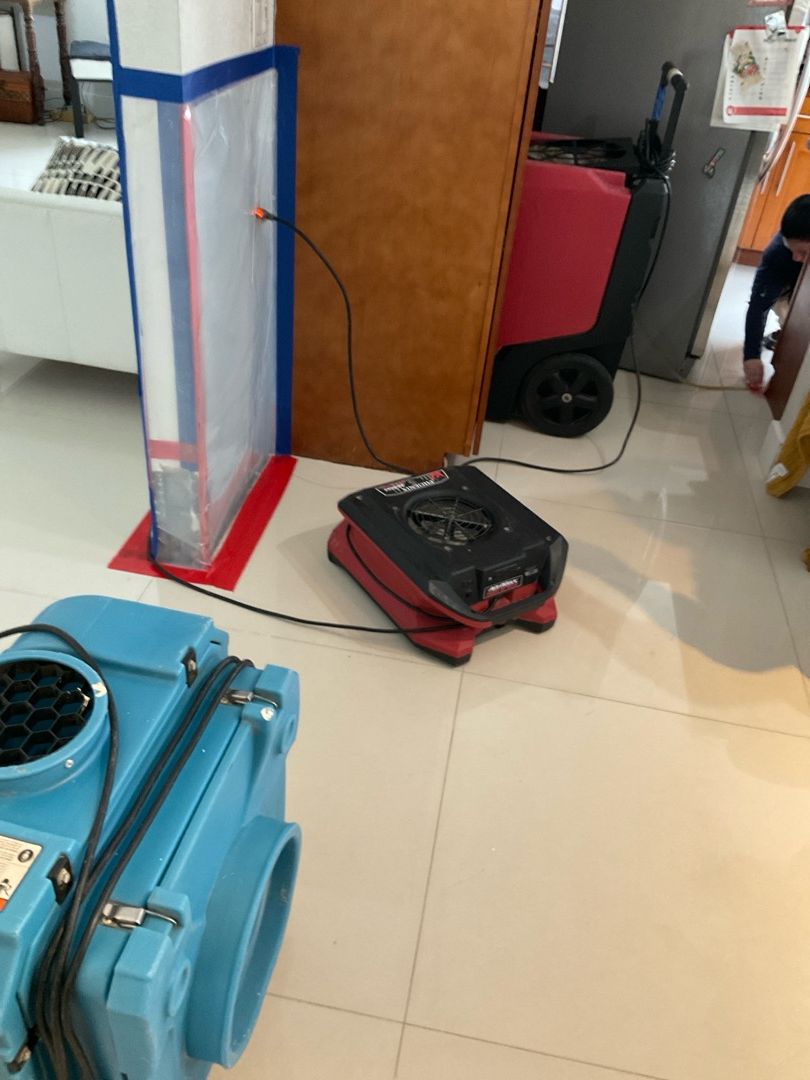
- Using air movers and dehumidifiers
- Monitoring moisture levels during drying
- Cleaning and restoring affected areas
- Making necessary repairs
This process helps ensure the home returns to safe and stable moisture levels.
Repairs Often Needed After Ventilation-Related Damage
Once drying is complete, certain materials may need repair or replacement depending on the extent of damage.
Common repairs include:
- Replacing drywall or ceiling panels
- Repairing flooring or baseboards
- Improving attic ventilation
- Sealing duct leaks
- Restoring insulation
Addressing ventilation problems at the same time helps prevent the issue from recurring.
The Role of HVAC Systems and Air Ducts
HVAC systems play a major role in both causing and preventing moisture problems. When airflow is restricted or ducts are poorly insulated, condensation can develop inside the system.
Common HVAC-related causes include:
- Dirty air filters restricting airflow
- Clogged condensate drain lines
- Poor duct insulation in attics
- Blocked return vents
Routine maintenance significantly reduces these risks and improves indoor air quality.
Preventing Water Damage from Poor Ventilation
Property owners can reduce moisture risks by taking a few preventive steps.
Helpful tips include:
- Keep vents open and unobstructed
- Replace HVAC filters regularly
- Ensure bathroom and kitchen exhaust fans work properly
- Inspect attic ventilation annually
- Monitor indoor humidity levels
These simple measures help maintain proper airflow and reduce condensation.
Why Local Experience Matters
Homes in Rockledge are built to handle Florida’s climate, but high humidity and coastal conditions still present challenges. Professionals who regularly work in Brevard County understand how local weather patterns affect ventilation and moisture.
Local experience helps technicians:
- Identify common airflow issues
- Recommend effective ventilation improvements
- Recognize seasonal humidity patterns
This knowledge often results in faster inspections and more effective restoration.
A Practical Next Step for Property Owners
Water damage from poor ventilation often develops slowly, but addressing it early can prevent major repairs. Paying attention to warning signs such as condensation, stains, or musty odors allows property owners to take action before damage spreads.
Water damage restoration helps return homes to safe moisture levels, improves indoor comfort, and prevents mold growth. In humid climates like Rockledge, regular inspections and proper ventilation remain the most reliable ways to protect a home.