AC Mold Cleaning in Cocoa Beach After Storm Damage: Costs, Causes, and Solutions
Storms are a normal part of life along the coast, especially in Cocoa Beach and the surrounding Brevard County communities. Heavy rains, strong winds, and sudden humidity spikes often leave behind more than just visible water damage. One of the most common hidden problems after a storm is mold developing inside air-conditioning systems.
Because AC systems run frequently in Florida’s climate, they can circulate moisture and spores throughout a building if contamination begins. Understanding the causes, recognizing the warning signs, and knowing how cleaning and repairs work can help homeowners and property managers avoid larger problems.
What AC Mold Problems Typically Involve
Air-conditioning systems naturally produce condensation as they cool warm air. Under normal conditions, this moisture drains away safely. After storm damage, however, drainage lines, duct insulation, or coils can remain damp for extended periods.
When moisture stays trapped, mold may begin to grow in:
- Evaporator coils
- Drain pans
- Air handler cabinets
- Duct interiors
- Nearby insulation
Once mold begins forming inside an AC system, it can spread spores through vents every time the system runs.
Why Storm Damage Leads to Mold So Often in Cocoa Beach
Cocoa Beach experiences high humidity year-round, and storms amplify that moisture. After heavy rainfall or coastal storms, indoor humidity can remain elevated for days if buildings are not thoroughly dried.
Several local conditions increase the risk:
- Salt-laden coastal air holding moisture
- Extended AC usage after storms
- Roof or window leaks introducing water into attics
- Power outages that shut down climate control temporarily
Homes in nearby areas such as Satellite Beach, Merritt Island, and Melbourne face similar conditions, especially during hurricane season and late-summer storms.
Common Warning Signs After a Storm
Mold in an AC system doesn’t always appear immediately. In many cases, homeowners first notice subtle changes in air quality or system performance.
Watch for signs such as:
- Musty odors when the AC starts
- Reduced airflow or uneven cooling
- Visible dust or dark buildup near vents
- Increased humidity indoors
- Allergy-like irritation indoors
These signs don’t always confirm mold, but they usually indicate moisture or contamination that should be inspected.
Hidden Causes That Are Often Missed
After storms, damage isn’t always obvious. Some of the most common mold-causing issues are hidden inside mechanical components or building cavities.
Examples include:
- Partially clogged condensate drain lines
- Wet duct insulation in attics
- Moisture entering through roof penetrations
- Floodwater affecting lower duct runs
- Poor ventilation in enclosed mechanical rooms
Because these problems are often concealed, inspections are important after significant storm events.
Why DIY AC Mold Cleaning Usually Fails
Cleaning visible dust from vents or wiping accessible surfaces rarely solves mold problems inside an AC system. Mold often develops in internal components that are difficult to reach without specialized tools.
DIY attempts often fall short because:
- Moisture sources remain untreated
- Internal coils and drain pans are not fully cleaned
- Contaminated insulation is overlooked
- Airborne spores are disturbed and spread
Incomplete cleaning can allow mold to return quickly, especially in humid environments like Cocoa Beach.
Professional Inspection and Testing Explained
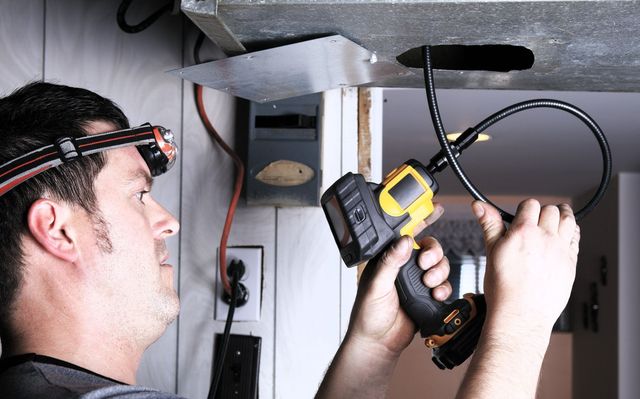
A proper inspection focuses on both contamination and moisture conditions. Technicians typically examine the air handler, coils, duct connections, and surrounding areas to determine the source of the problem.
Inspection steps may include:
- Visual inspection of AC components
- Moisture measurements in ducts and nearby materials
- Checking condensate drainage
- Airflow evaluation
Professionals familiar with coastal conditions, such as teams working with Palm Bay Mold Removal, often recognize storm-related moisture patterns quickly and can recommend targeted cleaning or repairs.
The AC Mold Cleaning and Remediation Process
Cleaning mold from AC systems requires careful procedures to avoid spreading contamination through the home.
A typical process includes:
- Isolating the affected system components
- Cleaning coils, drain pans, and accessible surfaces
- Removing contaminated insulation if necessary
- Treating and drying affected areas
- Inspecting ducts and airflow pathways
- Confirming that moisture sources are corrected
Proper drying and ventilation improvements are just as important as cleaning to prevent mold from returning.
Costs: What Influences the Price of AC Mold Cleaning
Costs vary depending on the extent of contamination and the size of the system. Several factors influence the overall expense:
- Size and complexity of the HVAC system
- Amount of mold or debris present
- Accessibility of ductwork
- Need for repairs or insulation replacement
- Moisture control improvements
Minor cleaning and maintenance typically cost less than remediation involving duct replacement or extensive repairs. Addressing issues early often reduces overall costs significantly.
Flood Restoration and Water Damage Considerations
Storm damage sometimes involves more than humidity alone. Roof leaks, flooding, or plumbing failures may introduce water directly into building materials and ductwork.
When this happens, restoration may include:
- Water extraction
- Structural drying
- Moisture monitoring
- Replacement of damaged materials
Homes in Palm Bay, Rockledge, and Titusville occasionally require these services after severe weather, especially when storms produce prolonged rainfall.
Air Ducts, Ventilation, and Mold Spread
Air ducts play a major role in how mold spreads indoors. If contamination develops in one part of the system, airflow can carry spores to multiple rooms.
Ventilation problems that contribute to mold include:
- Blocked return vents
- Dirty air filters
- Poor attic ventilation
- Leaky duct joints
Routine duct inspections and cleaning help maintain healthy airflow and reduce moisture buildup.
How to Prevent AC Mold After Storms
Prevention is often straightforward and far less expensive than remediation. After storms, a few steps can significantly reduce mold risk:
- Run AC systems to reduce humidity once power is restored
- Replace air filters after major storms
- Inspect attics and air handlers for moisture
- Ensure condensate drains are clear
- Schedule inspections if musty odors appear
Regular maintenance is especially important in coastal environments where humidity remains high throughout the year.
Why Local Experience Matters
Technicians familiar with Cocoa Beach and surrounding areas understand how coastal weather affects buildings and HVAC systems. Local experience helps professionals identify storm-related moisture issues quickly and recommend solutions that work in Florida’s climate.
Companies serving Palm Bay, Viera, and nearby communities often see similar patterns after storms, which helps them address problems efficiently and prevent recurrence.
A Practical, Calm Next Step for Property Owners
Storm damage can be stressful, but mold problems don’t have to become overwhelming. Early inspections, proper cleaning, and moisture control usually restore AC systems to safe working condition without major disruption.
If unusual odors, humidity, or airflow problems appear after a storm, scheduling an inspection can help identify the cause early. Addressing small issues promptly often prevents larger repairs and keeps indoor environments comfortable and efficient throughout the year.