
How Mold Testing Helps Homes in Melbourne Coastal Areas
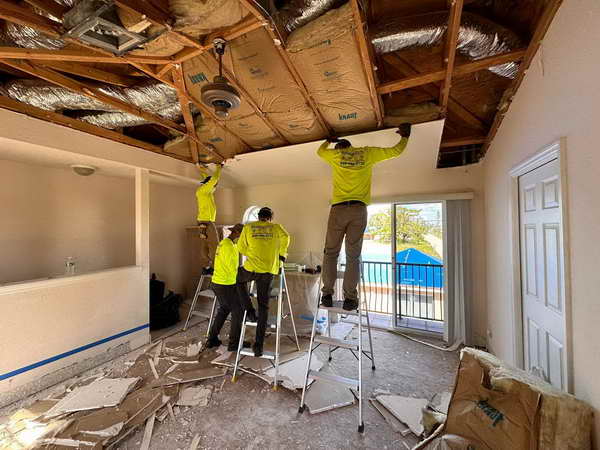
Living in Melbourne offers stunning coastal views and a relaxed lifestyle, but the region’s high humidity, frequent storms, and heavy rainfall create an environment conducive to mold growth. Mold in coastal homes is not only an aesthetic problem—it can damage building materials, compromise indoor air quality, and increase long-term maintenance costs.
Mold testing is an essential step in maintaining healthy, safe homes in Melbourne’s coastal areas. This guide explores why mold testing matters, how it is conducted, and the benefits it provides for homeowners in both older and newer coastal properties.
Understanding Mold in Coastal Homes
Mold is a type of fungus that thrives in warm, humid, and damp conditions—making Florida’s coast an ideal environment. Common mold types found in coastal homes include Cladosporium, Penicillium, and Aspergillus, as well as black mold (Stachybotrys chartarum) in areas with prolonged water damage.
Mold requires three key conditions to grow:
- Moisture – from leaks, condensation, or high indoor humidity
- Organic Material – such as wood, drywall, or carpeting
- Warm Temperatures – typical of Florida’s climate year-round
Even small water intrusions, like AC condensation or a leaky roof, can create conditions for mold to develop behind walls, under flooring, or inside ductwork.
Why Coastal Homes Are Particularly Vulnerable
Melbourne coastal homes face unique factors that increase mold risk:
- High Humidity
- Coastal humidity often exceeds 70%, which accelerates moisture accumulation and microbial growth.
- Storm and Hurricane Exposure
- Heavy rain and flooding can introduce water into attics, walls, and crawl spaces.
- Older Construction
- Homes built decades ago may have less effective ventilation, aging plumbing, or older roofing materials that allow leaks.
- Salt-Laden Air
- Salt particles can corrode metal HVAC components, leading to condensation and mold in air ducts.
- HVAC and AC Condensation
- Coastal humidity stresses air conditioning systems, creating damp areas that may go unnoticed for months.
Common Sources of Mold in Coastal Homes
Mold often develops in areas that are hidden or overlooked:
- Attics and Crawl Spaces – poor ventilation and roof leaks
- Under Flooring – water intrusion from flooding or plumbing leaks
- HVAC Systems and Air Ducts – condensation and trapped moisture
- Bathrooms and Kitchens – high humidity from showers and cooking
- Basements or Slab Foundations – seepage from saturated soil or plumbing leaks
Understanding potential sources helps homeowners anticipate where mold may occur and informs testing strategies.
Signs Homeowners Should Watch For
Even before testing, there are indicators of mold presence:
- Musty or damp odors
- Visible black or green mold patches on walls, ceilings, or flooring
- Water stains or discoloration around windows, roofs, or plumbing fixtures
- Increased allergy or respiratory symptoms among residents
- Condensation on windows, walls, or AC vents
While these signs suggest a problem, mold can often grow hidden behind walls or under surfaces, making professional testing critical.
How Mold Testing Works
Mold testing in Melbourne coastal homes is conducted by trained professionals using specialized tools and techniques:
1. Visual Inspection
- Identify visible mold and water damage
- Check moisture-prone areas like attics, crawl spaces, bathrooms, and AC systems
2. Air Sampling
- Collect air samples from different rooms to detect mold spores
- Measures indoor air quality and spore concentration compared to outdoor levels
3. Surface Sampling
- Swabs or tape lifts capture mold from walls, ceilings, or duct surfaces
- Determines type of mold present and extent of contamination
4. Moisture Measurement
- Moisture meters detect hidden damp areas behind walls or under flooring
- Thermal imaging cameras identify water intrusion not visible to the naked eye
5. Laboratory Analysis
- Samples are sent to certified labs for identification of mold species
- Identifies potential black mold or other hazardous strains
Benefits of Mold Testing
Mold testing provides several advantages for coastal homeowners:
1. Early Detection
- Identifies hidden mold before it spreads extensively
- Allows for targeted remediation rather than widespread reconstruction
2. Protects Health
- Reduces exposure to airborne spores that can trigger allergies or respiratory issues
- Ensures proper treatment of toxic mold varieties
3. Preserves Property Value
- Prevents structural damage to walls, flooring, and HVAC systems
- Avoids costly repairs from prolonged water intrusion
4. Informs Remediation Strategy
- Provides precise information about mold type and location
- Helps professionals plan effective cleaning, repair, or removal
5. Peace of Mind for Homeowners
- Confirms that indoor air quality is safe
- Essential for homes in high-humidity, storm-prone areas
Mold Remediation After Testing
Once testing identifies mold, professional remediation follows a structured process:
- Containment
- Isolate affected areas to prevent spore spread
- Removal of Contaminated Materials
- Porous items like drywall, carpet padding, or insulation may be replaced
- Cleaning and Treatment
- Non-porous surfaces treated with antimicrobial solutions
- HVAC systems and ducts cleaned to prevent recirculation
- Drying and Dehumidification
- Remove residual moisture with dehumidifiers and air movers
- Ensure humidity remains below 60%
- Preventive Measures
- Seal leaks, improve ventilation, and monitor humidity to prevent recurrence
Preventing Mold in Coastal Homes
Long-term mold prevention strategies are essential:
- Maintain HVAC Systems – regular filter changes and coil cleaning
- Control Humidity – use dehumidifiers and monitor moisture levels
- Repair Leaks Promptly – address roofing, plumbing, and AC issues quickly
- Improve Ventilation – exhaust fans in bathrooms and kitchens vented outside
- Regular Inspections – seasonal checks, particularly after hurricanes or heavy rainfall
Why Local Expertise Matters
Professionals with experience in Melbourne’s coastal environment understand:
- How hurricanes and storms impact residential structures
- Common mold-prone areas in older and newer homes
- Best practices for safe, effective testing and remediation
- Florida-specific humidity, rainfall, and construction challenges
Local expertise ensures accurate detection, efficient remediation, and prevention strategies tailored to the region.
Conclusion
Mold growth in Melbourne coastal homes is a hidden but serious threat, particularly in high-humidity, storm-prone conditions. Mold testing is a critical tool for homeowners, providing early detection, health protection, and guidance for targeted remediation.
By combining professional testing with timely remediation, preventive maintenance, and proper humidity control, homeowners can protect indoor air quality, preserve structural integrity, and reduce long-term repair costs. In coastal areas, proactive mold management is essential for safe, comfortable, and healthy living.