
Duct Cleaning Services in Palm Bay After Plumbing Leaks: What Homeowners Should Know
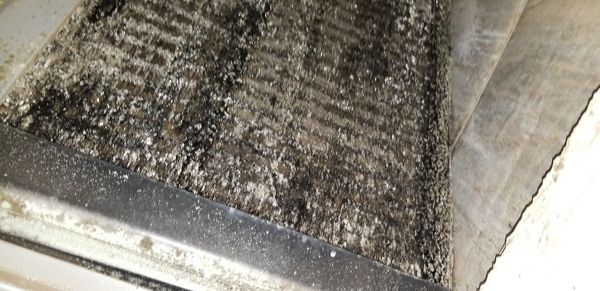
Plumbing leaks in residential homes can have hidden consequences beyond visible water damage. In Palm Bay, where high humidity and frequent rainfall are common, even minor leaks can introduce moisture into walls, ceilings, and HVAC systems. When moisture enters ductwork, it can cause mold growth, bacterial contamination, and reduced indoor air quality, affecting both health and comfort.
Duct cleaning services are critical after plumbing leaks to remove contaminants, prevent mold proliferation, and ensure the HVAC system functions efficiently. This guide provides homeowners in Palm Bay with a comprehensive understanding of duct cleaning services after plumbing leaks, including warning signs, inspection and cleaning processes, costs, and preventive strategies.
Why Duct Cleaning Is Important After Plumbing Leaks
HVAC systems distribute air throughout the home, and if ducts are contaminated with water, mold, or debris, it can spread pollutants to every room. Benefits of professional duct cleaning after a plumbing leak include:
- Mold and Bacteria Removal: Eliminates microbial growth caused by moisture intrusion.
- Improved Indoor Air Quality: Reduces allergens, dust, and airborne contaminants.
- Enhanced HVAC Efficiency: Clean ducts allow the system to operate more efficiently, lowering energy bills.
- Odor Reduction: Musty or mildew odors from damp ducts are removed.
- Preventive Maintenance: Reduces the likelihood of future mold growth and water-related damage.
Ignoring duct contamination after a plumbing leak can lead to persistent health issues, foul odors, and expensive HVAC repairs.
Common Causes of Duct Contamination After Plumbing Leaks
Several factors contribute to duct contamination in Palm Bay homes:
1. Leaks Near HVAC Systems
Plumbing lines running near ductwork or inside walls can leak, allowing water to enter air ducts.
2. Condensation Build-Up
High humidity and water from leaks can condense inside ducts, creating damp surfaces for microbial growth.
3. Flooding and Storm Damage
Minor flooding from leaks, combined with Florida’s humid climate, increases the risk of mold and mildew inside HVAC systems.
4. Poor Maintenance
Ducts that have not been cleaned regularly are more likely to retain water and debris from leaks.
5. Aging HVAC Systems
Older systems with worn seals or damaged ductwork are more susceptible to moisture infiltration.
Warning Signs Homeowners Should Look For
Homeowners should monitor for the following signs indicating potential duct contamination:
- Musty Odors: Persistent odors, especially when the HVAC system is running.
- Visible Mold: Mold growth near vents or on accessible duct surfaces.
- Increased Allergies or Respiratory Symptoms: Sneezing, coughing, or headaches among family members.
- Excess Dust Accumulation: Dust and debris emerging from vents more frequently than normal.
- Uneven Airflow or HVAC Performance Issues: Reduced efficiency due to blockages or mold accumulation.
- Water Stains Near Ducts: Signs of leakage around HVAC equipment or duct joints.
Prompt inspection and cleaning are essential to prevent further contamination and protect the health of occupants.
Professional Duct Cleaning Process
Certified duct cleaning professionals follow a comprehensive process to ensure the HVAC system is thoroughly cleaned after plumbing leaks:
Step 1: Initial Assessment
Inspectors evaluate the HVAC system, ductwork, and surrounding areas to identify moisture, mold, or debris.
Step 2: System Disassembly
Vents, registers, and access panels are removed to allow complete access to the duct system.
Step 3: Vacuum and Agitation
High-powered vacuums and brushes are used to dislodge dust, mold spores, and other contaminants from ducts.
Step 4: Sanitization
Duct surfaces are cleaned and treated with antimicrobial agents to eliminate bacteria, mold, and mildew.
Step 5: HVAC Component Cleaning
Furnaces, air handlers, coils, and condensate pans are cleaned to prevent recontamination.
Step 6: Inspection and Sealing
After cleaning, ducts are inspected for damage or leaks, which are sealed to maintain efficiency and prevent moisture intrusion.
Step 7: Post-Cleaning Verification
Homeowners may request air quality testing to confirm that the HVAC system is free of contaminants and safe for use.
Benefits of Professional Duct Cleaning
- Eliminates Hidden Contaminants: Removes mold, bacteria, and debris that are difficult to reach without specialized equipment.
- Reduces Allergens: Helps those with asthma or allergies by improving indoor air quality.
- Increases HVAC Efficiency: Clean ducts allow air to flow freely, reducing energy costs.
- Prevents Odors: Eliminates musty or stale smells caused by damp ductwork.
- Extends HVAC Lifespan: Reduces wear and tear on components by preventing blockages and microbial buildup.
Costs of Duct Cleaning in Palm Bay
Costs vary depending on home size, HVAC complexity, and contamination level:
- Small homes (1–2 bedrooms): $250–$500
- Medium homes (3 bedrooms): $500–$900
- Large or multi-story homes: $900–$1,500+
Additional services, such as mold remediation or antimicrobial treatments, may increase costs but provide long-term benefits.
Preventive Measures for Homeowners
After plumbing leaks and duct cleaning, homeowners should implement preventive strategies:
- Regular Duct Inspections: Schedule periodic professional inspections to detect water intrusion early.
- Prompt Leak Repairs: Fix plumbing leaks immediately to prevent duct contamination.
- Maintain HVAC Systems: Replace filters regularly and clean coils, drip pans, and condensate lines.
- Monitor Humidity Levels: Use dehumidifiers or air conditioning to maintain indoor humidity below 60%.
- Install Proper Ventilation: Ensure bathrooms, kitchens, and laundry areas are vented to reduce moisture exposure.
- Seal Ductwork: Repair leaks or gaps in ducts to prevent moisture entry.
- Use Mold-Resistant Materials: Consider mold-resistant insulation or coatings in areas prone to leaks.
Real-World Example
A Palm Bay homeowner experienced a minor plumbing leak behind the kitchen wall. Weeks later, family members noticed:
- Musty odors emanating from air vents
- Sneezing and coughing, especially in bedrooms
Professional duct cleaning revealed mold and bacterial growth inside the HVAC system. The remediation process included:
- Full duct cleaning and sanitization
- HVAC coil and condensate pan cleaning
- Moisture source repair and leak sealing
- Post-cleaning air quality testing
The homeowner reported improved air quality, elimination of odors, and increased HVAC efficiency. Early intervention prevented mold from spreading to walls, ceilings, and flooring.
Choosing a Professional Duct Cleaning Service
Homeowners should select a service provider who:
- Holds proper licensing, certifications, and insurance
- Has experience with post-plumbing leak HVAC cleaning
- Uses advanced cleaning equipment and antimicrobial treatments
- Provides detailed inspection reports and recommendations
- Offers post-cleaning verification and follow-up services
Avoid companies that rely solely on vacuuming or offer low-cost services without full system inspection and treatment.
Final Thoughts
Duct cleaning services are an essential step in protecting Palm Bay homes after plumbing leaks. Benefits include:
- Removal of mold, bacteria, and debris
- Improved indoor air quality
- Protection of HVAC efficiency and longevity
- Prevention of future contamination and odors
By recognizing early warning signs, acting quickly after leaks, and engaging professional duct cleaning services, homeowners can safeguard their property, health, and comfort while minimizing the risk of costly damage.