
Rockledge Moisture Detection in Older Homes: What Homeowners Should Know
Older homes in Rockledge have character, history, and charm that many homeowners appreciate. However, homes built decades ago often come with hidden challenges, especially when it comes to moisture intrusion. Because many of these properties were constructed before modern building standards and waterproofing methods were common, moisture issues frequently develop in ways homeowners cannot easily see.
Moisture detection plays a critical role in protecting older homes from long-term damage. Understanding how moisture problems begin, where they hide, and how professionals detect them can help homeowners prevent costly repairs and mold issues before they grow.
Understanding Moisture Problems in Older Homes
Moisture intrusion occurs when water or humidity enters parts of a home where it cannot properly dry. Over time, this leads to mold growth, wood rot, weakened drywall, and structural concerns.
Older homes often have outdated materials or construction methods that allow moisture to enter more easily. Small leaks, ventilation problems, or aging plumbing systems may go unnoticed for months or even years.
Unlike obvious flooding, moisture problems often build slowly, making detection more challenging without professional equipment.
Why Moisture Problems Are Common in Rockledge
Rockledge and surrounding Brevard County communities experience high humidity levels throughout much of the year. Seasonal storms, heavy rains, and tropical weather systems increase the likelihood of water intrusion.
Many older homes in Rockledge were built with slab foundations or crawl spaces that are now vulnerable to moisture buildup. Roof systems may also be aging, allowing slow leaks to develop over time.
Additional contributing factors include:
Poor ventilation in attics and crawl spaces
Old or deteriorating plumbing lines
AC condensation issues in humid weather
Outdated window or door sealing
Changes in landscaping or drainage over time
Homes in nearby areas like Merritt Island, Cocoa Beach, and Viera often face similar moisture challenges due to Florida’s climate conditions.
Signs Homeowners Often Notice
Moisture problems rarely appear suddenly. Instead, homeowners may notice gradual warning signs throughout the home, including:
Musty or damp odors indoors
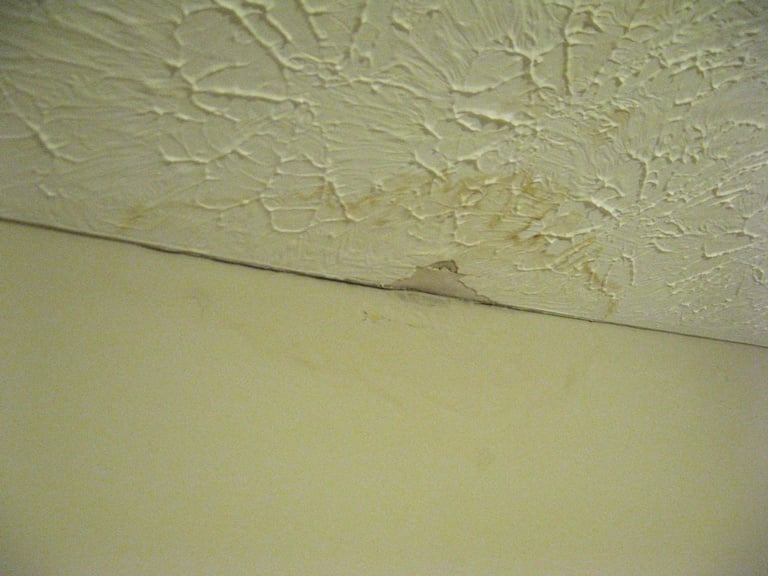
Discoloration or staining on ceilings or walls
Warped or soft flooring areas
Peeling paint or bubbling drywall
Higher indoor humidity levels
Increased allergy-like symptoms indoors
Sometimes homeowners assume these signs are minor cosmetic issues when they actually indicate hidden moisture problems.
Hidden Areas Where Moisture Often Develops
Moisture detection frequently reveals water intrusion in locations homeowners rarely inspect. Older homes especially tend to trap moisture in concealed areas.
Common hidden moisture locations include:
Behind drywall and inside wall cavities
Under flooring or beneath carpets
Inside crawl spaces or attics
Around aging plumbing connections
Inside HVAC ductwork
Behind cabinets or under sinks
Without proper detection tools, these areas remain wet, allowing mold and structural damage to spread silently.
Why DIY Moisture Detection Often Misses the Problem
Homeowners sometimes try to locate moisture problems on their own using visual inspections or small handheld devices. While this may help in obvious situations, most moisture remains hidden.
Surface materials may feel dry even when moisture exists inside walls or subfloors. Fans and open windows also do not guarantee hidden areas are drying properly.
DIY inspections usually fail to identify the full extent of water intrusion, leading to delayed repairs and larger restoration needs later.
Professional detection equipment and training are necessary to locate hidden moisture accurately.
Professional Moisture Detection Explained
Professional moisture detection begins with a full property assessment. Restoration specialists use advanced tools to find water intrusion before it becomes a major issue.
Common detection methods include:
Moisture meters that measure dampness inside walls and floors
Thermal imaging cameras that locate hidden wet areas
Humidity monitoring equipment
Crawl space and attic inspections
This approach allows technicians to map moisture patterns throughout the home and recommend targeted solutions rather than guesswork.
Palm Bay Mold Removal and other local professionals frequently find hidden moisture in older Rockledge homes where previous leaks were never properly addressed.
What Happens After Moisture Is Detected
Once moisture intrusion is confirmed, professionals determine the best corrective action. This may involve repairing plumbing leaks, improving ventilation, or addressing roof or foundation issues.
Drying equipment such as dehumidifiers and air movers may be used to remove trapped moisture from structural materials. Damaged drywall or insulation sometimes requires replacement if mold or heavy saturation is present.
In some cases, mold remediation or carpet cleaning may also be necessary if moisture remained for an extended period.
The goal is always to remove moisture fully and prevent the problem from returning.
The Link Between Moisture and Mold Growth
Florida’s warm, humid climate creates ideal conditions for mold once moisture is present. Mold spores naturally exist in the environment, but they begin growing rapidly when surfaces remain damp.
Older homes with slow leaks or humidity buildup are particularly vulnerable. Mold growth behind walls or under flooring often goes unnoticed until odors or health concerns arise.
Early moisture detection prevents mold problems from developing, saving homeowners from complex remediation projects later.
AC Systems and Ductwork in Older Homes
Air conditioning systems in older homes often contribute to moisture issues. Poor ventilation, clogged condensate lines, or aging equipment may allow moisture to accumulate.
Duct systems can also develop condensation, spreading humidity into different parts of the home. Moisture detection sometimes reveals damp ductwork that contributes to indoor air quality problems.
Professional inspections often include evaluating AC systems and ducts to ensure proper airflow and moisture control.
Preventing Moisture Problems in Older Homes
While older homes naturally have more vulnerabilities, homeowners can take steps to reduce moisture risks:
Schedule routine roof inspections and repairs
Maintain plumbing systems regularly
Ensure proper attic and crawl space ventilation
Keep gutters and drainage systems clear
Inspect AC systems annually
Schedule periodic professional moisture inspections
Homes that receive regular maintenance usually avoid major restoration expenses.
Why Local Experience Matters
Moisture detection in Florida homes requires understanding local climate conditions and building practices. Professionals working in Rockledge and nearby communities know where moisture commonly appears and how coastal weather impacts structures.
Palm Bay Mold Removal and similar local specialists regularly work in Rockledge, Satellite Beach, Melbourne, and Titusville, giving them experience with both older and newer home construction challenges.
Local expertise allows faster identification of moisture sources and more effective long-term solutions.
A Smart Next Step for Homeowners
If you own an older home in Rockledge and have noticed musty smells, discoloration, or humidity concerns, a professional moisture inspection can provide clarity before damage worsens.
Moisture detection helps homeowners catch small problems early, preventing mold growth and expensive structural repairs later. Taking proactive steps protects both property value and the comfort of everyone living inside the home.
A simple inspection today can prevent major restoration work tomorrow, helping older Rockledge homes remain safe, dry, and healthy for years to come.