
Carpet Cleaning After Flooding Services in Viera after Storm Damage: Costs, Causes, and Solutions
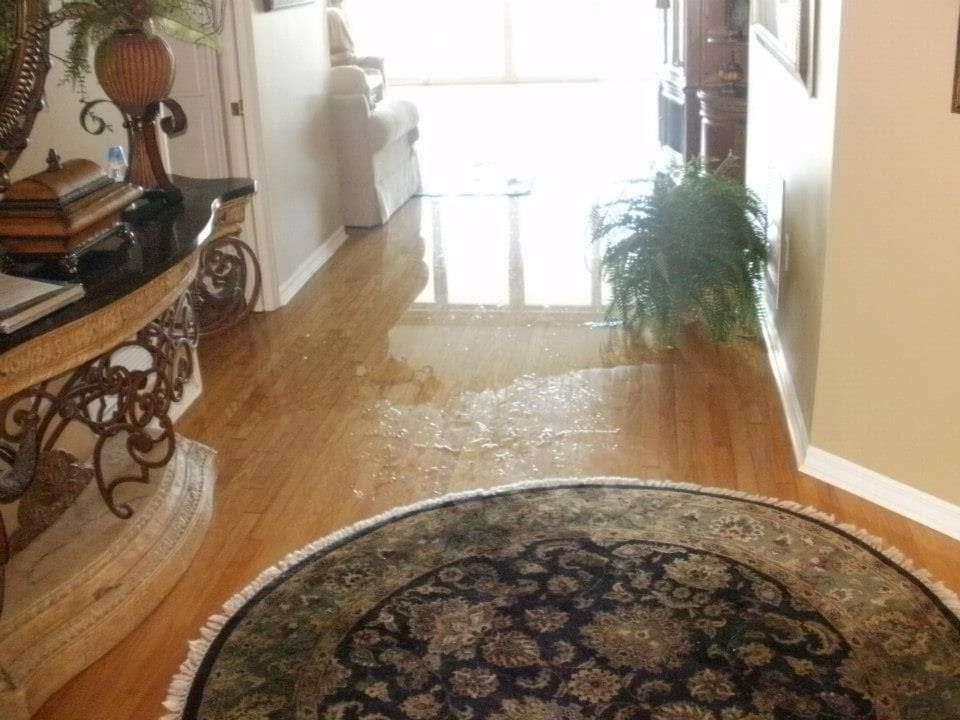
Storm damage in Viera often leaves homeowners dealing with more than just exterior repairs. Heavy rainfall, tropical storms, and hurricanes frequently cause indoor flooding, and one of the first areas affected is carpeting. Floodwater quickly saturates carpets and padding, creating lingering moisture problems that can lead to mold, odors, and long-term property damage if not handled properly.
Professional carpet cleaning after flooding plays a crucial role in restoring homes safely and preventing future problems. Understanding the causes, restoration process, and expected costs helps property owners make informed decisions after storm damage.
What Happens to Carpets After Flooding
Carpets act like sponges when floodwater enters a home. Even a small amount of water intrusion spreads rapidly beneath flooring, soaking carpet fibers, padding, and sometimes the subfloor beneath.
Floodwater may also carry debris, dirt, and contaminants into the home, making simple surface cleaning ineffective. Once moisture becomes trapped under carpets, it creates ideal conditions for mold growth, unpleasant odors, and floor damage.
In many cases, homeowners believe carpets have dried after visible water disappears, but moisture often remains hidden beneath the surface.
Why Flooding Happens So Often in Viera
Viera and surrounding Brevard County communities experience frequent storm activity due to Florida’s coastal climate. Heavy seasonal rainfall, hurricanes, and sudden downpours can overwhelm drainage systems or seep into homes through doors, windows, and foundation gaps.
Other common storm-related causes include:
Roof leaks allowing water to travel through ceilings
Overflowing gutters directing water toward foundations
Poor yard drainage pushing water into homes
Storm-driven plumbing failures or sewer backups
AC systems overwhelmed by humidity or power interruptions
Homes in nearby areas like Melbourne, Rockledge, and Satellite Beach experience similar issues, especially in neighborhoods with aging infrastructure or homes built before modern drainage improvements.
Common Signs Carpet Damage After Storm Flooding
Homeowners often recognize flood damage immediately, but some signs appear gradually. After storm events, residents may notice:
Wet or soggy carpet areas
Musty smells lingering indoors
Discoloration or staining
Carpet lifting or wrinkling
Increased indoor humidity
Allergy-like symptoms from poor indoor air quality
Sometimes carpets feel dry on the surface while padding underneath remains soaked, causing hidden mold development.
Hidden Moisture and Overlooked Problem Areas
Floodwater rarely affects only visible areas. Moisture commonly spreads into:
Carpet padding beneath flooring
Subfloors made of wood or concrete
Wall bases and insulation
Closets or storage areas
Adjacent rooms through wall cavities
Without proper moisture detection tools, these hidden areas remain wet, eventually leading to mold infestation or structural deterioration.
Why DIY Carpet Cleanup Often Fails
After storms, many homeowners attempt to clean carpets using household fans, wet vacuums, or rented machines. While these methods remove surface water, they rarely address deeper moisture problems.
Household equipment cannot extract water trapped beneath carpet padding or inside subfloors. Improper drying may also spread moisture further or leave contamination behind.
Floodwater may also contain bacteria or debris that requires professional sanitization, not just cleaning.
DIY cleanup often results in lingering odors or mold growth weeks later, leading to higher repair costs.
Professional Carpet Inspection and Moisture Testing
Professional restoration teams begin with detailed inspections using moisture meters and thermal imaging equipment to locate hidden wet areas.
Inspection typically includes:
Measuring moisture beneath carpets
Checking walls and baseboards
Inspecting adjacent rooms and closets
Evaluating humidity levels indoors
This process helps determine whether carpets can be restored or require replacement.
Companies like Palm Bay Mold Removal frequently encounter situations where quick inspections helped homeowners avoid costly full carpet replacement by acting early.
The Professional Carpet Cleaning and Drying Process
Professional flood restoration follows a structured process to restore carpets safely.
Standing water is first removed using industrial extraction equipment capable of pulling water from carpets and padding.
Technicians may temporarily lift carpets to dry padding and subfloors beneath. Damaged padding is sometimes replaced if contamination or heavy saturation occurred.
Industrial air movers and dehumidifiers are placed strategically to remove trapped moisture from flooring and walls.
Carpets are then sanitized and cleaned to remove contaminants, odors, and storm debris.
Moisture levels are monitored until drying is complete, ensuring no hidden dampness remains.
Costs of Carpet Cleaning After Storm Flooding
Costs vary depending on several factors, including:
Size of affected areas
Amount of water intrusion
Duration of moisture exposure
Need for padding replacement
Presence of contamination or mold
Minor flooding addressed quickly often results in lower restoration costs, while delays allowing mold growth or structural damage increase expenses.
Professional inspections help homeowners understand restoration options and avoid unnecessary replacements.
Mold Risks Following Flooded Carpets
Florida’s humid climate accelerates mold growth after storm flooding. Mold can begin developing in damp carpets within 24 to 48 hours.
Once mold spreads beneath flooring or inside walls, remediation becomes more complex and disruptive. Early professional carpet drying greatly reduces this risk.
In Viera and nearby communities like Merritt Island and Titusville, delayed drying is one of the most common causes of mold issues following storms.
Air Conditioning and Duct Systems After Flooding
Flood events often affect HVAC systems as well. High humidity and moisture can enter air ducts or AC units, spreading odors and contaminants throughout the home.
Professional restoration sometimes includes duct inspection or cleaning to ensure indoor air quality is restored alongside carpet cleaning.
Maintaining clean ducts also helps prevent recurring moisture problems.
Preventing Carpet Flood Damage in the Future
While storms cannot be controlled, homeowners can reduce flood risks with preventative steps:
Ensuring gutters and drainage systems function properly
Sealing doors and windows before storm seasons
Inspecting roofs regularly for leaks
Maintaining sump pumps or drainage systems
Scheduling routine moisture inspections
Homes prepared ahead of storm season typically suffer less interior damage.
Why Local Experience Makes a Difference
Restoration professionals familiar with Viera and Brevard County understand local building styles and recurring storm-related damage patterns.
Local experts know where moisture commonly hides and how Florida humidity complicates drying processes.
Palm Bay Mold Removal and similar local specialists often work across Viera, Cocoa Beach, Satellite Beach, and Melbourne, giving them practical experience addressing both residential and mixed-use property flooding challenges.
Local knowledge often leads to faster recovery and better long-term outcomes.
A Practical Next Step After Storm Damage
If your home in Viera experienced flooding after a storm, quick action helps prevent larger problems. Even if carpets appear dry, hidden moisture can lead to mold, odors, and costly repairs later.
A professional inspection provides clarity about what needs cleaning, drying, or replacement, allowing homeowners to restore safe living conditions without unnecessary expense.
Timely carpet cleaning and flood restoration help protect both property value and household comfort, ensuring homes recover quickly after Florida’s unpredictable storm seasons.