
How Flood Restoration Helps Homes in Merritt Island in Commercial Buildings
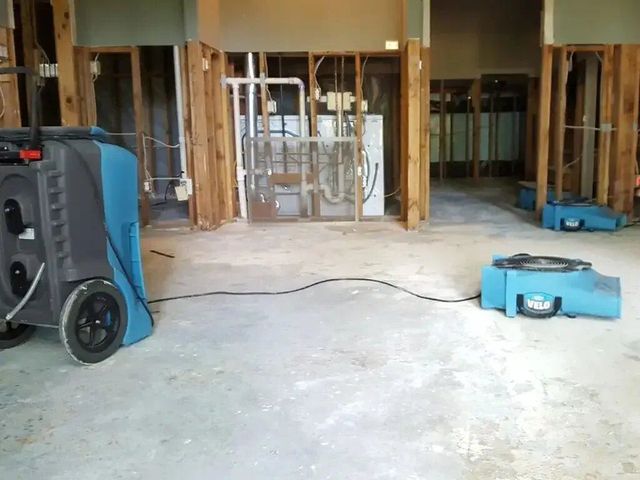
Flooding is one of the most disruptive problems property owners in Merritt Island face, and commercial buildings are especially vulnerable. When heavy rains, tropical storms, plumbing failures, or drainage issues occur, water can quickly invade offices, retail spaces, warehouses, and mixed-use buildings.
While much attention is often placed on residential properties, many commercial buildings on Merritt Island also include residential units, rental spaces, or serve families and tenants daily. Flood restoration in these buildings helps protect both business operations and the people who rely on these spaces.
Understanding how professional flood restoration works can help property managers and owners respond quickly, minimize damage, and prevent long-term mold and structural problems.
Understanding Flood Damage in Commercial Buildings
Flood damage in commercial buildings can happen in several ways. Storm surge and heavy rainfall may overwhelm drainage systems, allowing water to seep into ground-floor spaces. Roof leaks and clogged gutters can cause water to enter from above. Plumbing failures and AC condensation issues can also release large amounts of water indoors.
Once water enters a building, it spreads quickly through flooring, walls, and structural cavities. Carpets soak it up, drywall absorbs it, insulation traps moisture, and HVAC systems can spread humidity throughout the structure.
If the water is not removed quickly, mold growth can begin within 24 to 48 hours, creating additional damage and potential health concerns for occupants.
Why Flooding Happens Frequently in Merritt Island
Merritt Island’s coastal environment plays a major role in repeated water damage events. The region experiences heavy seasonal rainfall, tropical storms, hurricanes, and high humidity levels throughout much of the year.
Commercial buildings often have large roof surfaces and flat or low-slope roofing systems, which increase the chance of water pooling and leaks. Parking lots and paved areas can also overwhelm drainage systems during intense storms.
Additionally, many buildings in surrounding areas like Cocoa Beach, Rockledge, and Satellite Beach are older structures with aging plumbing or outdated waterproofing systems, making them more vulnerable to leaks and water intrusion.
Common Signs Property Owners Notice After Flooding
Flood damage is sometimes obvious, but in many cases, problems appear gradually. Property owners or managers often notice:
Water stains on walls or ceilings
Warped flooring or lifting tiles
Wet or musty-smelling carpets
Peeling paint or bubbling drywall
Persistent indoor humidity
Musty odors spreading through offices or hallways
Employees or tenants may also complain about worsening indoor air quality or lingering damp smells long after water seems to have disappeared.
Hidden Moisture and Overlooked Damage Areas
One of the biggest challenges after flooding is hidden moisture. Water can move behind walls, under flooring, and into ceiling cavities without being visible.
Moisture commonly hides in:
Wall insulation and drywall cavities
Under commercial carpeting and padding
Inside HVAC duct systems
Storage rooms and crawl spaces
Electrical and mechanical rooms
Attic or ceiling voids
Without proper moisture detection equipment, these areas remain wet, eventually leading to mold growth and structural deterioration.
Why DIY Cleanup Usually Fails
After a flood, building maintenance staff may attempt cleanup using mops, fans, or shop vacuums. While this helps remove visible water, it rarely solves the deeper problem.
Surface drying does not remove moisture trapped within walls or subfloors. Standard fans cannot dry enclosed areas, and improper drying can even spread moisture further.
DIY cleaning also fails to address contamination risks from floodwater, which may carry bacteria, debris, or pollutants into the building.
Professional flood restoration uses industrial equipment and moisture monitoring to ensure the building dries correctly from the inside out.
Professional Flood Inspection and Moisture Testing
A proper restoration process begins with inspection and moisture mapping. Professionals use moisture meters and thermal imaging tools to locate wet areas that are invisible to the eye.
Inspection teams evaluate:
Flooring saturation levels
Wall and insulation moisture
Ceiling and roof intrusion
HVAC system contamination
Structural materials affected by water
This allows technicians to create a targeted drying and restoration plan rather than relying on guesswork.
The Flood Restoration Process Explained
Professional flood restoration typically involves several important steps:
Water extraction removes standing water quickly using industrial pumps and vacuums.
Damaged materials such as soaked drywall or insulation may be removed when necessary to prevent mold growth.
Industrial air movers and dehumidifiers are strategically placed to dry materials and remove trapped moisture.
Moisture levels are continuously monitored until safe dryness levels are reached.
Sanitizing treatments help remove contaminants and odors left by floodwater.
Finally, repairs and restoration return the building to safe operating condition.
Mold Risks After Flood Damage
Flooding creates ideal conditions for mold growth, especially in humid areas like Merritt Island and nearby communities such as Viera and Titusville.
Mold often begins growing behind walls or beneath flooring where moisture remains trapped. Once mold spreads, remediation becomes more complex and costly.
Companies like Palm Bay Mold Removal often encounter commercial buildings where delayed drying led to widespread mold contamination that required extensive remediation work.
Quick restoration reduces these risks significantly.
AC Systems and Air Ducts After Flooding
Commercial HVAC systems play a major role after water intrusion. If ducts or air handlers are exposed to moisture, mold spores and contaminants can spread throughout the building.
Flood restoration often includes inspection and cleaning of ductwork, ventilation systems, and air handlers to prevent indoor air quality problems.
Proper duct cleaning and moisture control protect employees, tenants, and visitors while maintaining comfortable indoor conditions.
Preventing Future Flood Damage in Commercial Buildings
While storms cannot be controlled, several preventive measures reduce flood risks:
Regular roof inspections and maintenance
Improved drainage around the property
Routine plumbing inspections
Proper sealing of doors and windows
Regular HVAC maintenance to prevent condensation leaks
Professional moisture inspections in high-risk areas
Property managers who stay proactive typically experience fewer emergency repairs and lower restoration costs over time.
Why Local Experience Matters
Flood restoration requires understanding local construction methods, climate patterns, and common building weaknesses.
Professionals familiar with Merritt Island and surrounding Brevard County communities understand how coastal weather affects buildings and where moisture problems typically occur.
Palm Bay Mold Removal and similar local specialists have extensive experience working in both residential and commercial environments, allowing them to identify problems quickly and recommend effective solutions tailored to Florida conditions.
A Practical Next Step for Property Owners
If your commercial building or mixed-use property has experienced flooding or water intrusion, acting quickly is the most important decision you can make. Early inspection and professional restoration prevent long-term damage, mold growth, and expensive structural repairs.
A calm, professional evaluation can determine the extent of the damage and help restore safe, clean conditions for tenants, employees, and visitors.
Addressing flood damage early protects both the property and the people who rely on it every day, ensuring Merritt Island businesses and communities remain safe and resilient after storms.