
Professional Tips for Property Owners: Duct Cleaning in Rockledge Coastal Homes
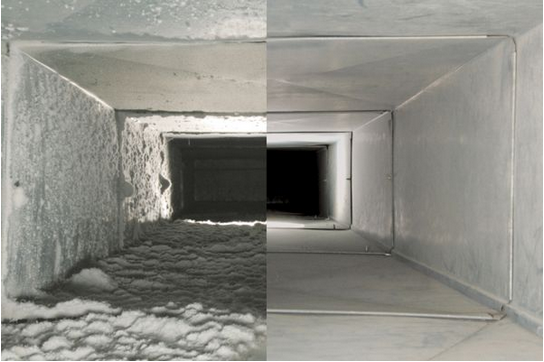
Coastal homes in Rockledge face unique environmental challenges that can significantly affect indoor air quality and HVAC system efficiency. Salt-laden air, high humidity, and frequent storms contribute to dust accumulation, corrosion, and mold growth in air ducts. For property owners, maintaining clean ductwork is essential for ensuring healthy indoor environments, preserving HVAC performance, and protecting long-term property value.
This comprehensive guide outlines the importance of duct cleaning in Rockledge coastal homes, identifies warning signs, details professional cleaning processes, explores costs, and provides preventive strategies for homeowners.
Why Duct Cleaning Is Critical in Coastal Homes
Coastal environments pose specific challenges for HVAC systems:
- Salt and Humidity: Salt particles carried by the sea air can corrode duct surfaces and HVAC components. High humidity promotes condensation, leading to mold growth inside ducts.
- Dust and Debris: Coastal winds carry sand, dust, and organic debris that accumulate in ductwork over time.
- Health Risks: Contaminants in ducts reduce indoor air quality, potentially triggering allergies, asthma, and respiratory issues.
- Energy Efficiency: Clogged or contaminated ducts force HVAC systems to work harder, raising energy bills and accelerating wear on equipment.
- Property Value: A well-maintained HVAC system is a selling point for coastal homes, while dirty or moldy ducts can reduce property appeal.
Regular duct cleaning is essential to maintain air quality, prevent HVAC damage, and protect tenant or occupant health.
Common Warning Signs of Dirty Ducts
Property owners should be vigilant for signs that indicate duct cleaning is needed:
- Visible Dust and Debris: Accumulation around vents and registers.
- Musty or Moldy Odors: Unpleasant smells can signal mold growth inside ducts.
- Allergy Symptoms: Increased coughing, sneezing, or sinus issues among residents.
- Uneven Airflow: Some rooms receive less heating or cooling due to blockages.
- Higher Energy Bills: Reduced HVAC efficiency increases electricity consumption.
- Pest Evidence: Rodent or insect droppings within ductwork.
Even minor indicators should prompt a professional inspection to prevent more significant problems.
Professional Duct Cleaning Process
A certified duct cleaning company typically follows these steps:
Step 1: Inspection
Technicians examine ducts, vents, and HVAC components for visible contamination. In some cases, cameras are used to assess internal duct conditions.
Step 2: Preparation
Areas around vents are protected, and HVAC systems may be isolated to prevent debris from entering the living space.
Step 3: Debris Removal
High-powered vacuums, brushes, and air whips remove dust, dirt, and other contaminants from duct interiors.
Step 4: Component Cleaning
Air handlers, coils, blower fans, and filters are cleaned to ensure the entire system is free of debris and contaminants.
Step 5: Sanitization
Antimicrobial treatments may be applied to ducts to prevent mold growth, especially in high-humidity coastal areas.
Step 6: Post-Cleaning Verification
Technicians ensure the system is clear and airflow has been restored to optimal levels.
Benefits of Professional Duct Cleaning
- Improved Indoor Air Quality: Removes allergens, dust, and microbial contaminants.
- Health Protection: Reduces the risk of respiratory issues, allergies, and asthma triggers.
- Energy Efficiency: Clean ducts allow HVAC systems to operate efficiently, lowering energy bills.
- Extended Equipment Life: Prevents strain on fans, motors, and coils caused by debris buildup.
- Peace of Mind: Ensures a clean, safe environment for residents or tenants.
Costs of Duct Cleaning in Rockledge Coastal Homes
Duct cleaning prices depend on the home size, HVAC complexity, and extent of contamination:
- Small homes (1–2 bedrooms): $250–$500
- Medium homes (3 bedrooms): $500–$900
- Large or multi-unit properties: $900–$1,500+
While the upfront cost may seem significant, professional duct cleaning can prevent expensive repairs, health issues, and energy inefficiencies.
Preventive Measures for Property Owners
- Regular Filter Replacement
Change HVAC filters every 1–3 months to reduce debris entering ducts. - Control Indoor Humidity
Maintain humidity below 60% to prevent mold growth. - Routine HVAC Maintenance
Schedule inspections and servicing at least annually. - Educate Occupants or Tenants
Encourage reporting of unusual odors, airflow issues, or allergy symptoms promptly. - Seal and Insulate Ducts
Proper insulation and sealing prevent moisture buildup and protect ducts from environmental contamination. - Protect Against Pests
Seal entry points to prevent rodents or insects from entering ductwork.
Real-World Example
A Rockledge coastal homeowner noticed musty odors in certain rooms and uneven airflow. Professional inspection revealed:
- Accumulated dust and organic debris in the ductwork
- Mold growth in areas of the system exposed to humidity
The duct cleaning process included:
- High-powered vacuuming and brushing of all duct lines
- Sanitization to inhibit mold regrowth
- Inspection and cleaning of HVAC components
- Verification of airflow and indoor air quality improvement
Post-cleaning, the homeowner reported improved comfort, reduced allergens, and more efficient HVAC operation.
Choosing a Professional Duct Cleaning Service
When selecting a service provider, consider:
- Licensing, insurance, and certification
- Experience with coastal home HVAC systems
- Use of advanced cleaning and inspection tools (vacuums, cameras, sensors)
- Ability to provide detailed reports and verification
- Positive customer references and reviews
Avoid companies offering low-cost “quick cleans” without thorough inspection or documentation.
Final Thoughts
Duct cleaning is a vital maintenance practice for Rockledge coastal homes. Professional services offer:
- Removal of dust, debris, and microbial contaminants
- Prevention of mold growth and health hazards
- Improved HVAC efficiency and reduced energy costs
- Detailed documentation for property management and insurance purposes
By recognizing warning signs, scheduling regular cleaning, and implementing preventive strategies, homeowners can maintain healthy indoor air quality, protect HVAC equipment, and enhance the value and longevity of their coastal properties.