
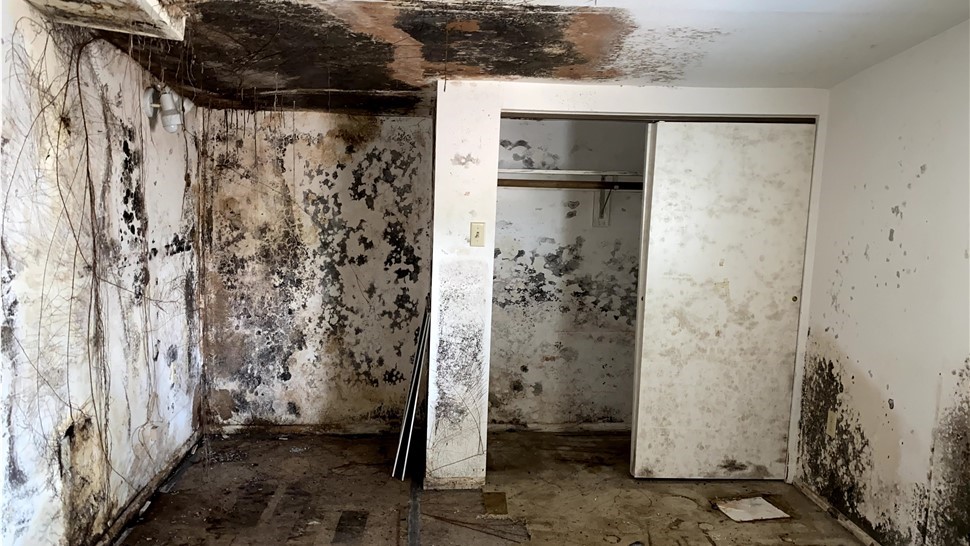
How Water Damage Restoration Helps Homes in Satellite Beach from Poor Ventilation
When homeowners in Satellite Beach think about water damage, they usually picture storm flooding or roof leaks after hurricanes. However, many homes experience serious moisture problems without a single flood event. Poor ventilation, especially in Florida’s humid coastal environment, often leads to hidden water damage that develops slowly over time.
Because moisture problems build gradually, many homeowners do not realize ventilation is the cause until mold odors, wall stains, or structural damage appear. By then, restoration work is often necessary to correct both moisture damage and indoor air quality concerns.
Understanding how poor ventilation leads to water damage, how restoration services help, and what homeowners can do to prevent future problems is key to protecting coastal homes in Satellite Beach.
How Poor Ventilation Causes Water Damage
Everyday activities inside a home produce moisture. Cooking, bathing, laundry, and even normal breathing release humidity into indoor air. In homes with proper ventilation, that moisture escapes safely outdoors.
However, when ventilation is inadequate, moisture remains trapped indoors. Over time, this trapped humidity condenses on cooler surfaces, including:
• Ceilings and walls
• Windows and vents
• Air ducts and attic surfaces
• Crawl space structures
• Flooring and subfloors
Condensation gradually soaks into drywall, insulation, and wood framing. Although the process is slow, moisture eventually leads to water damage and mold growth.
Because the damage develops quietly, homeowners often overlook the cause until problems become widespread.
Why Ventilation Problems Are Common in Satellite Beach
Homes in Satellite Beach face unique challenges due to constant coastal humidity. Even when doors and windows remain closed, moist air enters homes regularly.
Local conditions that increase ventilation-related moisture issues include:
• High year-round coastal humidity
• Homes sealed tightly to maintain cooling efficiency
• Attic spaces exposed to humid air
• Older homes with outdated ventilation systems
• Constant air conditioning use
Nearby communities such as Cocoa Beach, Indian Harbour Beach, and Merritt Island experience similar conditions, but coastal homes often see moisture linger longer because outdoor air remains humid.
Without effective airflow, moisture builds inside homes gradually.
Warning Signs of Moisture Damage from Poor Ventilation
Moisture buildup from ventilation problems often shows subtle signs before major damage occurs. Many homeowners assume these symptoms are cosmetic rather than signs of moisture problems.
Common warning signs include:
• Musty odors in rooms or closets
• Peeling or bubbling paint
• Ceiling or wall discoloration
• Persistent indoor humidity
• Mold appearing in corners or near vents
• Condensation on windows or ducts
• Rooms feeling damp or stuffy
Because moisture spreads slowly, symptoms often appear in multiple parts of the home.
Ignoring these signs allows damage to worsen over time.
Hidden Damage Often Develops Out of Sight
Ventilation-related water damage usually affects hidden areas first, making problems difficult to recognize early.
Common hidden moisture locations include:
• Attic insulation soaked by condensation
• Ceiling cavities above living areas
• Crawl spaces with trapped humidity
• Ductwork exposed to moist air
• Behind cabinets and furniture
• Wall cavities near bathrooms or kitchens
Moisture trapped in these areas may remain unnoticed until mold odors or structural damage appear.
Professional inspections often reveal moisture long before visible damage becomes obvious.
How Mold Develops from Ventilation Problems
Florida’s warm climate combined with trapped indoor humidity creates ideal mold growth conditions.
Mold begins growing when:
• Moisture remains present
• Indoor temperatures stay warm
• Organic building materials exist
• Airflow is limited
Drywall, wood framing, insulation, and flooring materials provide food sources for mold when damp. Once mold begins growing, spores spread through air circulation systems.
Restoration must address both mold contamination and moisture sources.
Why DIY Fixes Often Do Not Solve the Problem
Homeowners often try to reduce humidity using fans or portable dehumidifiers. While these steps may help temporarily, they rarely correct underlying ventilation issues.
DIY solutions typically fail because:
• Moisture sources remain unresolved
• Ventilation pathways are still inadequate
• Mold may already exist behind surfaces
• Humidity continues entering from outside
• Structural materials remain damp
Without professional assessment, moisture problems often return.
How Water Damage Restoration Services Help
Professional water damage restoration services address both visible damage and the hidden moisture causing it.
Restoration teams typically perform:
• Moisture detection using specialized equipment
• Structural drying with industrial dehumidifiers
• Removal of water-damaged materials
• Mold remediation when contamination is present
• Air filtration to improve indoor air quality
• Recommendations to improve ventilation
This comprehensive approach corrects moisture damage while helping prevent recurrence.
Step-by-Step Restoration Process
Once inspection confirms moisture damage, professionals follow a structured restoration process.
Step 1: Identify Moisture Source
Technicians determine how poor ventilation caused moisture accumulation.
Step 2: Access Affected Areas
Walls or ceilings are opened only where necessary to access wet materials.
Step 3: Remove Damaged Materials
Severely damaged drywall or insulation may need replacement.
Step 4: Structural Drying
Air movers and dehumidifiers remove trapped moisture from framing and materials.
Step 5: Mold Cleaning and Treatment
Affected surfaces are cleaned and treated to prevent regrowth.
Step 6: Final Moisture Verification
Testing confirms materials are dry before repairs conclude.
HVAC Systems and Ventilation Challenges
Air conditioning systems help control humidity, but ventilation problems still allow moisture to build up.
Common HVAC-related issues include:
• Clogged condensate drain lines
• Improper duct insulation
• Poor attic ventilation around ducts
• Oversized systems causing short cooling cycles
When ventilation problems exist, HVAC systems struggle to control humidity effectively.
Duct inspection and cleaning often improve airflow and indoor comfort.
Preventing Future Ventilation-Related Water Damage
Homeowners in Satellite Beach can reduce future moisture risks with proactive maintenance and ventilation improvements.
Helpful preventive steps include:
• Installing or repairing attic ventilation systems
• Using exhaust fans in kitchens and bathrooms
• Scheduling regular HVAC maintenance
• Cleaning AC drain lines routinely
• Using dehumidifiers during humid seasons
• Inspecting crawl spaces for moisture buildup
• Monitoring indoor humidity levels
Routine maintenance prevents gradual moisture accumulation.
Why Local Experience Matters
Moisture behaves differently in coastal homes compared to inland properties. Professionals familiar with Satellite Beach and Brevard County homes understand how humidity and coastal weather impact ventilation and moisture patterns.
Many homeowners rely on experienced providers like Palm Bay Mold Removal because local familiarity helps technicians quickly identify moisture sources and recommend long-term solutions.
Local expertise ensures restoration focuses on preventing recurring damage rather than temporary fixes.
Protecting Coastal Homes from Hidden Moisture
Poor ventilation may seem minor compared to storm flooding, but long-term moisture buildup can quietly damage homes over time. Left untreated, trapped moisture leads to mold growth, structural weakening, and indoor comfort problems.
Scheduling professional inspection and restoration when warning signs appear helps homeowners correct moisture issues before damage spreads. Improving ventilation and drying affected areas protects indoor air quality and home structure.
Taking action early helps Satellite Beach homeowners keep their homes dry, comfortable, and protected from future moisture problems while preserving long-term property value.