
AC Mold Cleaning in Viera During Humid Summers: Costs, Causes, and Solutions
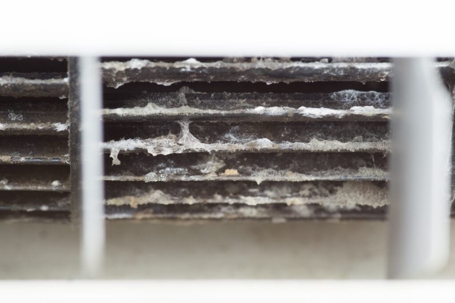
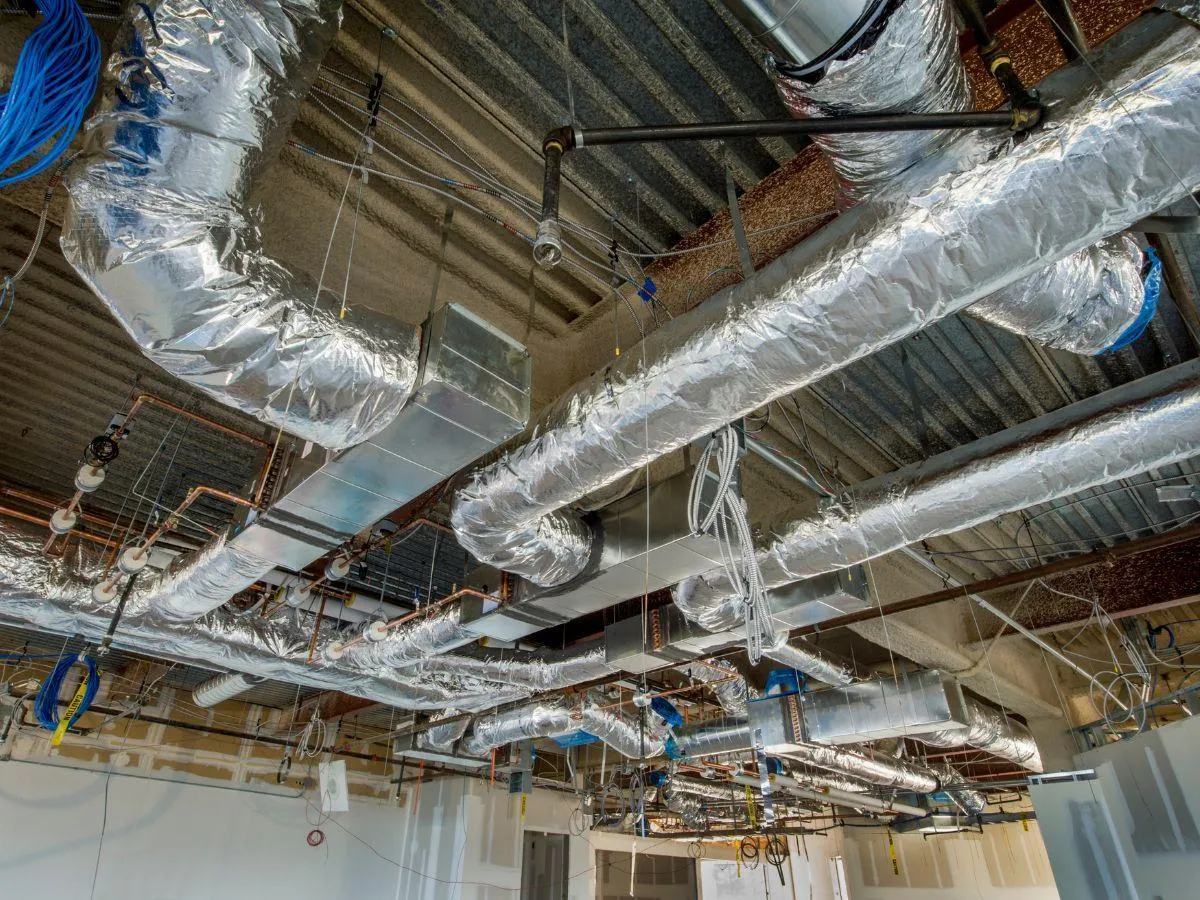
Florida summers bring high heat and humidity, and in Viera, these conditions can be particularly harsh on residential HVAC systems. Air conditioning units are essential for comfort, but they can also become breeding grounds for mold when moisture accumulates in ducts, coils, or drip pans. Mold in AC systems not only reduces efficiency but also spreads spores throughout the home, affecting indoor air quality and creating potential health hazards.
AC mold cleaning is a critical service for homeowners in Viera to ensure a healthy indoor environment, improve system performance, and prevent long-term damage. This guide covers the causes, costs, and solutions for AC mold cleaning during humid Florida summers.
Why AC Units Develop Mold
Air conditioners create a unique environment for mold growth:
- Moisture accumulation: Condensation naturally forms on evaporator coils and drip pans.
- Warm temperatures: Florida’s hot summers keep indoor temperatures conducive for microbial growth.
- Dust and debris: Airborne particles provide nutrients for mold in ducts and filters.
- Poor ventilation: Limited airflow or blocked ducts increases humidity and encourages mold colonization.
- Infrequent maintenance: Lack of regular cleaning allows mold to develop unchecked over weeks or months.
Even a small amount of moisture, if left unaddressed, can result in significant mold growth over time.
Common Causes of AC Mold in Viera Homes
- High Humidity Levels
- Viera’s coastal climate results in humidity often exceeding 70% in the summer.
- Air conditioning systems can struggle to remove sufficient moisture, leading to damp surfaces where mold thrives.
- Dirty or Clogged Filters
- Air filters that are not replaced regularly trap dust and moisture, providing an ideal environment for mold spores to reproduce.
- Leaky or Blocked Drain Pans
- Condensate drain pans can overflow or stagnate if blocked, leaving water pooled in the system.
- Standing water is a prime site for mold development.
- Aging HVAC Equipment
- Older systems may have worn insulation, corroded coils, or leaking ductwork that retains moisture.
- These hidden damp spots are often missed in routine maintenance.
- Improperly Sized or Installed AC Systems
- Units that are too large or small for a home may cycle inefficiently, causing excess condensation.
- Poor airflow increases humidity levels within ducts, encouraging microbial growth.
Early Signs Homeowners Should Not Ignore
Spotting AC mold early prevents widespread contamination:
- Musty odors: A persistent, earthy smell when the AC is running indicates microbial growth.
- Visible mold: Black or green spots on drip pans, vents, or duct surfaces.
- Allergy symptoms: Sneezing, coughing, or sinus irritation worsened indoors.
- Reduced airflow or cooling efficiency: Blocked or mold-coated components can decrease performance.
- Excess condensation or water leaks: Signs of pooling water around the unit or vents.
Recognizing these symptoms early allows homeowners to schedule cleaning before mold spreads to other areas of the home.
Costs of AC Mold Cleaning
AC mold cleaning costs vary depending on the extent of contamination, system type, and home size:
- Basic duct and vent cleaning: $250–$450
- Full system cleaning with coil and drip pan treatment: $400–$700
- Severe contamination requiring replacement of duct insulation or components: $800–$1,500+
Investing in professional AC cleaning prevents costly repairs to both the HVAC system and the home’s interior caused by mold-related damage.
Professional AC Mold Cleaning Process
Certified HVAC and mold remediation professionals follow a systematic approach:
1. Inspection
- Technicians evaluate the entire AC system, including ducts, coils, drip pans, and vents.
- Moisture meters and thermal imaging may be used to detect hidden damp areas.
2. Containment
- If mold is widespread, containment procedures prevent spores from spreading during cleaning.
- Plastic sheeting and negative air pressure may be used for safety.
3. Cleaning
- HEPA vacuums remove dust, debris, and mold spores.
- Coils, drip pans, and accessible duct surfaces are scrubbed and disinfected with antimicrobial solutions.
- Non-porous components are sanitized to reduce microbial regrowth.
4. Drying and Dehumidification
- Industrial air movers and dehumidifiers ensure all moisture is removed.
- Proper drying prevents mold from returning in humid Florida conditions.
5. System Testing
- HVAC performance is tested to ensure proper airflow, cooling, and drainage.
- Homeowners are advised on additional steps to maintain mold-free operation.
DIY Limitations
Homeowners may attempt to clean vents or drip pans themselves, but DIY methods often fail:
- Hidden mold remains: Behind ducts or insulation is difficult to reach without specialized tools.
- Improper cleaning spreads spores: Disturbing mold can make the problem worse.
- Health risks: Exposure to spores during cleaning can cause respiratory irritation.
- Moisture sources persist: Without fixing leaks, mold regrowth is likely.
Professional AC mold cleaning ensures thorough remediation and long-term prevention.
Preventing Mold in AC Systems
Once the system is cleaned, homeowners should implement preventive measures:
- Regular Maintenance
- Replace air filters every 1–3 months.
- Schedule annual professional inspections.
- Monitor Humidity
- Keep indoor humidity below 60% using AC, dehumidifiers, or ventilation.
- Consider smart thermostats with humidity sensors.
- Ensure Proper Drainage
- Check and clear condensate lines and drain pans regularly.
- Repair leaks promptly.
- Seal Ductwork
- Prevent moisture ingress and improve airflow by sealing leaks or damaged ducts.
- Limit Standing Water in the Home
- Address roof leaks, plumbing issues, or condensation problems promptly.
Consistent preventive care reduces mold growth risk and prolongs the lifespan of HVAC equipment.
Health and Safety Benefits
Professional AC mold cleaning provides multiple benefits for homeowners:
- Improves indoor air quality by reducing airborne spores
- Prevents allergy and respiratory issues
- Enhances system efficiency, reducing energy costs
- Protects structural components from moisture-related damage
For families, these benefits help maintain a safe and comfortable indoor environment during Florida’s humid summer months.
Why Local Expertise Matters
Viera homeowners benefit from professionals familiar with Florida’s climate:
- Understand the impact of coastal humidity and heat on AC systems
- Recognize seasonal storm patterns that increase moisture risks
- Have experience with older and newer residential HVAC systems common in Viera
Local knowledge ensures that cleaning and remediation address both immediate mold issues and long-term prevention.
When to Schedule AC Mold Cleaning
Homeowners should schedule professional cleaning if:
- Musty odors persist when the AC is running
- Visible mold is found on vents, coils, or duct surfaces
- Indoor humidity remains high despite proper AC use
- Allergy or respiratory symptoms increase indoors
- Recent storms or plumbing leaks have affected the home
Prompt intervention prevents widespread contamination and preserves indoor air quality.
Conclusion
AC mold cleaning is a vital service for Viera homeowners during Florida’s humid summers. Mold growth in air conditioning systems can occur quickly due to moisture accumulation, poor ventilation, and dust buildup. Left unchecked, it can reduce system efficiency, compromise indoor air quality, and cause structural or health concerns.
Professional mold inspections and cleaning identify early signs, remove contamination safely, and provide guidance for long-term prevention. By combining proper maintenance, humidity control, and timely professional intervention, homeowners can ensure their AC systems remain mold-free, efficient, and healthy throughout the summer season.