
Palm Bay Duct Cleaning in Rental Properties: Warning Signs and Prevention
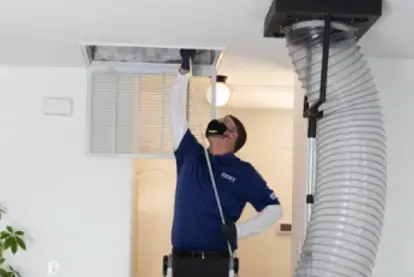
Maintaining clean HVAC systems in rental properties is a critical responsibility for property owners in Palm Bay. Dirty or poorly maintained air ducts can lead to decreased indoor air quality, higher energy costs, and accelerated wear on HVAC equipment. In rental properties, where multiple tenants occupy the same unit over time, these issues can quickly escalate if not addressed proactively.
This guide provides a comprehensive look at duct cleaning for rental properties in Palm Bay, covering warning signs of contamination, the risks of neglect, professional cleaning processes, costs, and preventive strategies to maintain healthy and efficient HVAC systems.
Why Duct Cleaning Is Essential in Palm Bay Rental Properties
The subtropical climate of Palm Bay, with its high humidity and warm temperatures, creates ideal conditions for dust accumulation, mold growth, and microbial contamination within HVAC systems. Rental properties are particularly vulnerable because:
- Multiple Occupants: Different tenants contribute dust, pet dander, and other debris to the system.
- Variable Maintenance Practices: Some tenants may be less diligent in regular upkeep, increasing the risk of HVAC contamination.
- High Humidity: Moist air promotes mold growth inside ducts, especially if condensation forms on poorly insulated or older ductwork.
- Long-Term Use: Older rental units may have aging duct systems prone to leaks, cracks, or accumulated debris.
Neglecting duct maintenance can result in reduced air quality, higher utility bills, and even tenant complaints or health issues.
Common Warning Signs of Dirty or Contaminated Ducts
Property owners and tenants should be alert to signs that indicate ducts may require cleaning:
1. Visible Dust or Debris
Excess dust accumulating on vents, registers, or around the home may indicate duct contamination.
2. Mold or Mildew Growth
Visible mold around vents, unusual odors, or condensation within ducts signals microbial growth that requires professional attention.
3. Unpleasant Odors
Musty, stale, or chemical-like smells from vents often point to mold, bacteria, or dust accumulation in the duct system.
4. Poor HVAC Performance
Clogged ducts reduce airflow, causing uneven heating or cooling and forcing HVAC units to work harder.
5. Increased Allergy or Respiratory Symptoms
Tenants may report worsening allergies, asthma attacks, or sinus problems due to contaminants circulating in the home.
6. Pest Infestation Evidence
Rodents or insects may leave droppings or debris in ductwork, contaminating the air supply.
Risks of Neglecting Duct Cleaning
Failing to maintain clean ducts in rental properties can result in several consequences:
- Health Issues: Tenants may develop respiratory problems or allergic reactions due to dust, mold, or bacteria.
- HVAC Damage: Accumulated debris strains motors, fans, and coils, leading to reduced efficiency and higher repair costs.
- Increased Energy Costs: Blocked or leaky ducts force HVAC systems to work harder, raising electricity bills.
- Legal Liability: Property owners may face complaints or liability if tenants experience health issues from poor air quality.
- Reduced Property Value: Neglected HVAC systems can deter future tenants and decrease the appeal of the property.
Regular duct cleaning helps mitigate these risks and ensures safe, comfortable living conditions for tenants.
Professional Duct Cleaning Process
Professional duct cleaning is a thorough, multi-step process designed to remove debris, microbial growth, and contaminants from HVAC systems:
Step 1: Initial Inspection
Technicians examine ductwork, vents, and HVAC components to assess contamination levels. This may include visual inspections and the use of cameras for internal duct assessment.
Step 2: Preparation
The area around vents and registers is protected, and HVAC components may be disconnected or isolated to prevent debris from entering the living space.
Step 3: Debris Removal
High-powered vacuums, brushes, and air whips remove dust, dirt, and other debris from ducts.
Step 4: Cleaning of Components
Air handlers, coils, filters, and blowers are cleaned to ensure the entire system is free of contaminants.
Step 5: Sanitization and Mold Prevention
Technicians may apply antimicrobial treatments to inhibit mold growth, particularly in high-humidity environments like Palm Bay.
Step 6: Final Inspection
Post-cleaning verification ensures the duct system is clear, and airflow is restored to optimal levels.
Costs of Duct Cleaning in Palm Bay Rental Properties
Pricing varies depending on the size of the property, the complexity of the duct system, and the level of contamination:
- Small single-unit rental property: $250–$500
- Medium-sized rental home (2–3 bedrooms): $500–$900
- Large or multi-unit properties: $900–$1,500+
Investing in professional duct cleaning is cost-effective compared to potential health issues, HVAC repairs, or tenant complaints resulting from neglect.
Preventive Measures for Rental Property Owners
Property owners can reduce the frequency of duct cleaning and maintain HVAC performance by implementing preventive strategies:
- Regular Filter Replacement
Change HVAC filters every 1–3 months depending on tenant occupancy and system usage. - Monitor Humidity Levels
Keep indoor humidity below 60% using dehumidifiers or air conditioners to prevent mold growth in ducts. - Routine HVAC Inspections
Schedule professional inspections and maintenance at least annually to identify early signs of contamination or damage. - Educate Tenants
Encourage tenants to report unusual odors, dust accumulation, or reduced HVAC performance promptly. - Seal and Insulate Ducts
Properly sealed and insulated ducts prevent dust infiltration and condensation, reducing the risk of microbial growth. - Control Pest Access
Prevent rodents and insects from entering ductwork by sealing entry points and maintaining property cleanliness.
Real-World Example
A Palm Bay landlord noticed complaints from tenants regarding musty odors and reduced airflow during the summer. Professional inspection revealed:
- Significant dust and debris accumulation in the main duct lines
- Mold growth in areas of the system with condensation
- Slight damage to duct insulation
Remediation included:
- Complete cleaning of the ducts using high-powered vacuums and air whips
- Application of antimicrobial treatment to prevent mold regrowth
- Replacement of damaged insulation
- Verification of airflow and improved indoor air quality
The intervention improved tenant comfort, reduced allergy complaints, and extended the life of the HVAC system.
Legal and Health Considerations
Florida rental property laws require landlords to maintain safe and habitable living conditions. Poor indoor air quality due to dirty HVAC systems may constitute a violation, especially if tenants develop health problems. Professional duct cleaning not only protects tenant health but also reduces legal risks for property owners.
Choosing a Professional Duct Cleaning Service
When selecting a service provider, property owners should consider:
- Licensing, insurance, and certifications
- Experience with rental and multi-occupancy properties
- Use of modern equipment, including vacuums, brushes, and cameras
- Ability to inspect, clean, and sanitize all HVAC components
- Positive local reviews and references
Avoid companies that provide “quick-clean” services without proper containment or thorough cleaning, as these may not address hidden mold or debris.
Final Thoughts
Maintaining clean HVAC ducts in Palm Bay rental properties is vital for tenant health, HVAC efficiency, and long-term property value. Professional duct cleaning services offer:
- Detection and removal of dust, debris, and microbial contaminants
- Prevention of mold growth and health hazards
- Improved HVAC system performance and reduced energy costs
- Documentation and verification for property management purposes
By recognizing warning signs, scheduling routine inspections, and implementing preventive strategies, Palm Bay property owners can ensure their rental units remain safe, comfortable, and energy-efficient throughout the year.