
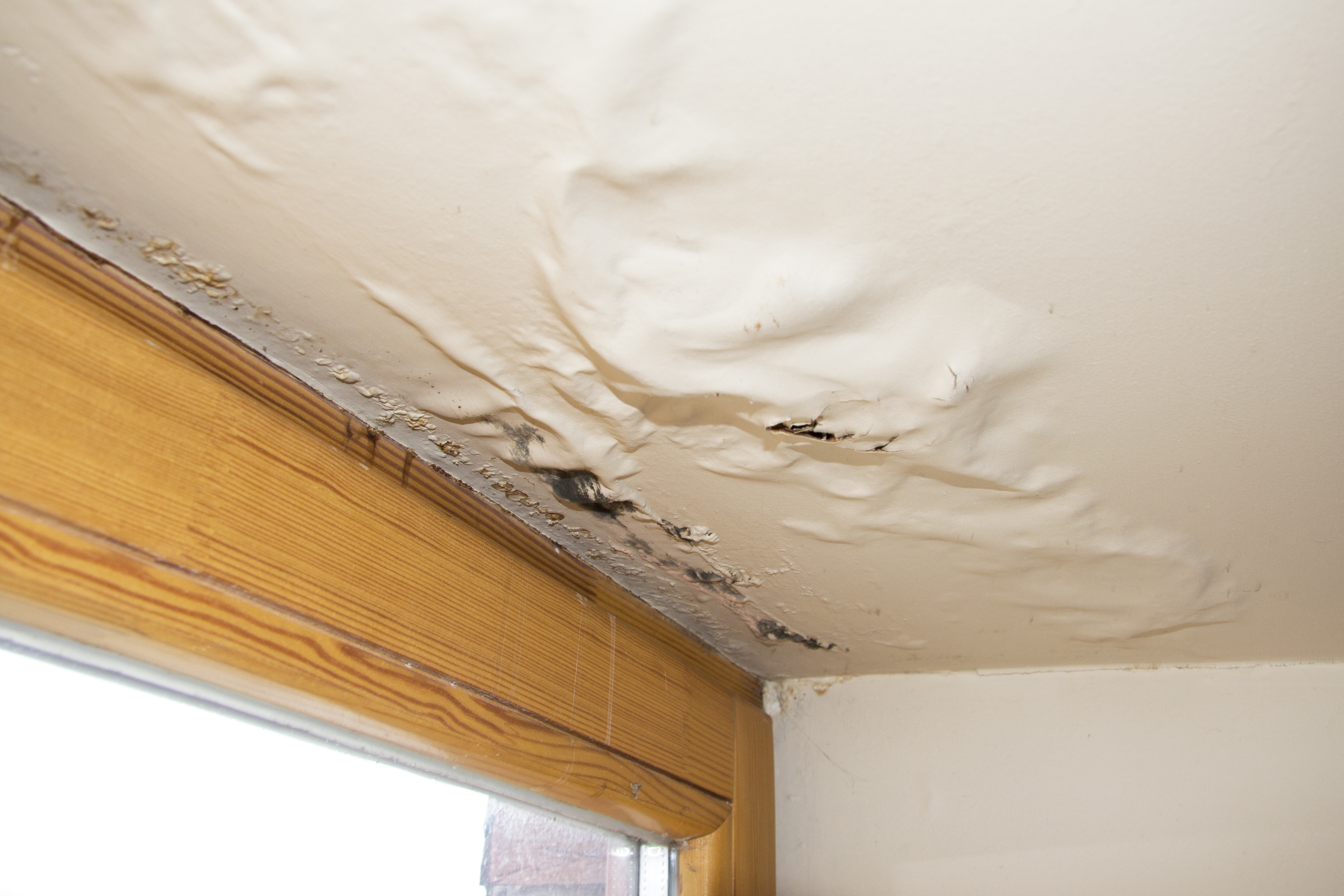
Indoor Air Quality Improvement in Titusville after Roof Leaks: How to Prevent Future Damage
Roof leaks are one of the most common problems homeowners face in Titusville, especially after strong storms or prolonged rainy periods. While many homeowners focus on repairing visible ceiling stains or fixing damaged shingles, a hidden issue often remains long after repairs are completed — poor indoor air quality caused by lingering moisture.
When roof leaks occur, water frequently spreads beyond what homeowners can see. Moisture trapped in ceilings, walls, insulation, and duct systems can create conditions that allow mold, odors, and airborne contaminants to circulate throughout the home.
Improving indoor air quality after roof leaks is not only about comfort but also about protecting the structure of the home and preventing future damage. Understanding how roof leaks affect air quality and how homeowners can prevent recurring problems is essential for maintaining a healthy living environment.
How Roof Leaks Affect Indoor Air Quality
When rainwater enters through damaged roofing, it rarely stays localized. Water often spreads along roof decking, insulation, and framing before reaching ceilings or walls.
Moisture from leaks can affect:
• Ceiling drywall and insulation
• Attic insulation and wood framing
• Wall cavities below leak areas
• Flooring materials beneath leaks
• HVAC ductwork in attic spaces
• Air handlers and ventilation systems
When these materials remain damp, mold spores begin to grow. As mold colonies develop, microscopic spores enter the air and circulate through HVAC systems, affecting indoor air quality throughout the home.
Even after roof repairs, trapped moisture may continue affecting air quality if not properly addressed.
Why Roof Leak Air Quality Problems Are Common in Titusville
Homes in Titusville and nearby communities such as Mims, Port St. John, and Cocoa experience weather conditions that increase moisture risks.
Local factors contributing to indoor air quality problems include:
• Frequent summer storms and heavy rain
• High humidity slowing structural drying
• Older roofs vulnerable to wind damage
• Homes with attic HVAC systems
• Limited attic ventilation
Florida’s humidity often prevents materials from drying quickly, allowing moisture to remain inside homes longer than expected.
Coastal humidity moving inland from nearby areas like Merritt Island also contributes to slower drying conditions after leaks occur.
Signs Indoor Air Quality Has Been Affected
After roof leaks, air quality problems often appear gradually. Homeowners may not immediately connect symptoms to previous storm damage.
Common warning signs include:
• Persistent musty odors inside rooms or closets
• Increased allergy irritation indoors
• Mold spots appearing on ceilings or walls
• Peeling or bubbling paint
• Condensation around vents
• Rooms feeling damp or stuffy
Because mold spores circulate through air systems, symptoms often appear throughout the home rather than in one isolated room.
Hidden Moisture Areas That Affect Air Quality
Roof leaks frequently create moisture problems in spaces homeowners rarely inspect.
Common hidden moisture locations include:
• Attic insulation soaked by leaks
• Ceiling cavities above living spaces
• Behind walls beneath leak areas
• HVAC ducts located in attics
• Crawl spaces with trapped humidity
• Areas around recessed lighting fixtures
Even after visible stains dry, moisture inside insulation or framing can continue affecting indoor air.
Why DIY Cleanup Does Not Solve Air Quality Problems
After a leak, many homeowners attempt to fix visible damage by repainting ceilings or replacing drywall. However, this approach rarely addresses hidden moisture.
DIY cleanup usually fails because:
• Moisture remains inside structural materials
• Mold growth continues unseen
• Household fans cannot dry hidden cavities
• HVAC systems continue circulating contaminated air
Without professional drying and air treatment, odors and mold often return.
How Professional Indoor Air Quality Improvement Works
Improving indoor air quality after roof leaks involves removing both moisture and airborne contaminants.
Professionals typically use:
• Moisture detection equipment to locate hidden damp areas
• Industrial dehumidifiers to dry structural materials
• Air scrubbers that remove airborne particles
• Cleaning methods for mold-contaminated surfaces
• HVAC inspections and duct cleaning if needed
These steps ensure both moisture sources and airborne contaminants are addressed.
Step-by-Step Restoration Process After Roof Leaks
Once inspection identifies moisture damage, professionals follow a structured restoration plan.
Step 1: Leak Source Repair Confirmation
Roof repairs must be confirmed to prevent continued water intrusion.
Step 2: Moisture Detection
Hidden damp areas are identified using specialized tools.
Step 3: Controlled Area Opening
Sections of ceilings or walls are opened only where necessary.
Step 4: Structural Drying
Air movers and dehumidifiers remove moisture from framing and insulation.
Step 5: Air Filtration and Cleaning
Air filtration equipment removes airborne contaminants while surfaces are cleaned.
Step 6: Final Air Quality Verification
Testing confirms improvements before repairs conclude.
Mold Growth and Air Quality Connection
Mold growth is one of the biggest contributors to poor indoor air quality after roof leaks. Mold spores easily become airborne and spread through homes.
Conditions encouraging mold growth include:
• Warm temperatures
• Persistent moisture
• Organic materials like drywall and wood
• Limited airflow
Preventing mold growth depends on drying materials quickly and correcting moisture sources.
HVAC Systems and Air Quality Concerns
Many Titusville homes have HVAC systems located in attic spaces. When roof leaks occur, moisture may contaminate ductwork or air handlers.
Contaminated HVAC systems may cause:
• Musty smells when AC operates
• Dust buildup near vents
• Uneven cooling
• Increased indoor humidity
Cleaning and drying HVAC systems help prevent contaminated air from circulating.
Preventing Future Roof Leak Air Quality Problems
Homeowners can reduce future risks by taking preventive action after storms or heavy rainfall.
Helpful steps include:
• Inspecting roofs after storms
• Repairing leaks immediately
• Checking attics for damp insulation
• Maintaining attic ventilation
• Using dehumidifiers during humid periods
• Scheduling moisture inspections after leaks
Routine maintenance helps prevent hidden moisture from affecting air quality.
Why Local Experience Matters
Moisture behaves differently in Florida homes compared to drier regions. Professionals familiar with Titusville and surrounding Brevard County communities understand how humidity and storms affect building materials.
Homeowners often rely on experienced providers such as Palm Bay Mold Removal because local familiarity helps ensure accurate inspections and effective remediation strategies.
Local expertise allows technicians to identify problem areas quickly and recommend solutions suited to Florida’s climate.
Acting Early Protects Your Home
Roof leaks may seem minor once repairs are complete, but hidden moisture can continue affecting indoor air quality and structural materials. Mold growth and airborne contaminants often remain unnoticed until symptoms worsen.
Scheduling professional inspection and air quality improvement after roof leaks helps homeowners remove hidden contamination and restore safe indoor environments. Proper drying and air filtration prevent future problems while protecting home value.
Taking early action keeps Titusville homes comfortable, dry, and protected from recurring moisture damage, ensuring a healthier living space for years to come.