
Duct Cleaning Services in West Melbourne after Water Damage: What Homeowners Should Know
Water damage in West Melbourne homes can occur from storms, plumbing leaks, AC condensation problems, or indoor flooding. While homeowners often focus on damaged flooring and walls, one critical area frequently overlooked is the home’s air duct system.
After water intrusion, moisture can contaminate ducts, insulation, and HVAC components. Once affected, air ducts can spread odors, mold spores, and moisture throughout the home each time the air conditioning runs.
Understanding how water damage impacts duct systems and why professional duct cleaning matters helps homeowners restore safe indoor conditions and prevent long-term problems.
How Water Damage Affects Air Duct Systems
Air ducts distribute cooled and heated air throughout a home. In many West Melbourne homes, ducts run through attics, crawl spaces, or wall cavities, areas that are vulnerable during flooding or heavy storms.
Water damage impacts ducts through:
• Floodwater entering crawl spaces
• Roof leaks soaking attic ductwork
• Condensation forming on ducts in humid conditions
• AC overflow leaks near air handlers
• High humidity saturating duct insulation
Even when ducts are not directly flooded, surrounding moisture often creates condensation inside ducts, allowing mold and bacteria to grow.
When contaminated air circulates, indoor air quality suffers.
Why Duct Problems Are Common After Water Damage in West Melbourne
Homes across West Melbourne, Palm Bay, and nearby Brevard County communities experience high humidity year-round. After water damage, structures take longer to dry, increasing risks inside duct systems.
Local factors increasing duct contamination risk include:
• Heavy seasonal rains and storms
• High humidity slowing drying
• Older duct insulation absorbing moisture
• Crawl space duct installations
• Poor attic ventilation
Nearby areas such as Melbourne, Rockledge, and Satellite Beach experience similar challenges, particularly after storm-related flooding.
If moisture remains trapped, mold growth may begin inside ducts within days.
Signs Air Ducts May Be Contaminated
Contaminated duct systems often produce noticeable symptoms after water damage events.
Common warning signs include:
• Musty odors when AC runs
• Increased dust accumulation indoors
• Allergy irritation worsening indoors
• Uneven airflow between rooms
• Visible mold around vents or registers
• Persistent indoor humidity
Because ducts distribute air throughout the home, contamination spreads quickly once HVAC systems operate again.
Hidden Duct Damage Homeowners Often Miss
Duct contamination is usually hidden behind ceilings or inside walls, making it difficult to notice without inspection.
Common hidden problems include:
• Wet insulation surrounding attic ductwork
• Mold growth inside flexible duct lines
• Corrosion in metal duct sections
• Moisture trapped behind vent covers
• Water intrusion affecting crawl space ducts
Homes may appear dry after repairs while duct systems remain damp.
Why DIY Vent Cleaning Is Not Enough
Some homeowners attempt to clean vents or spray disinfectants into ducts after flooding. While this may temporarily improve odor, it rarely solves the problem.
DIY efforts typically fail because:
• Mold often grows deep inside duct systems
• Household tools cannot reach contamination
• Improper cleaning spreads spores further
• Moisture sources remain untreated
• Damaged duct insulation remains wet
Surface cleaning alone does not remove contamination inside ducts.
Professional cleaning ensures thorough restoration.
How Professional Duct Inspection Works
Professional duct cleaning services begin with inspection to determine contamination levels and moisture damage.
Technicians typically examine:
• Duct interiors using inspection cameras
• HVAC air handler components
• Surrounding insulation conditions
• Moisture levels in attic or crawl spaces
• Signs of mold or debris buildup
Inspection allows professionals to determine whether cleaning, repairs, or partial duct replacement is necessary.
Step-by-Step Professional Duct Cleaning Process
Once contamination is confirmed, cleaning follows a structured process.
Step 1: System Containment
Sections of ductwork are sealed to prevent contaminants from spreading during cleaning.
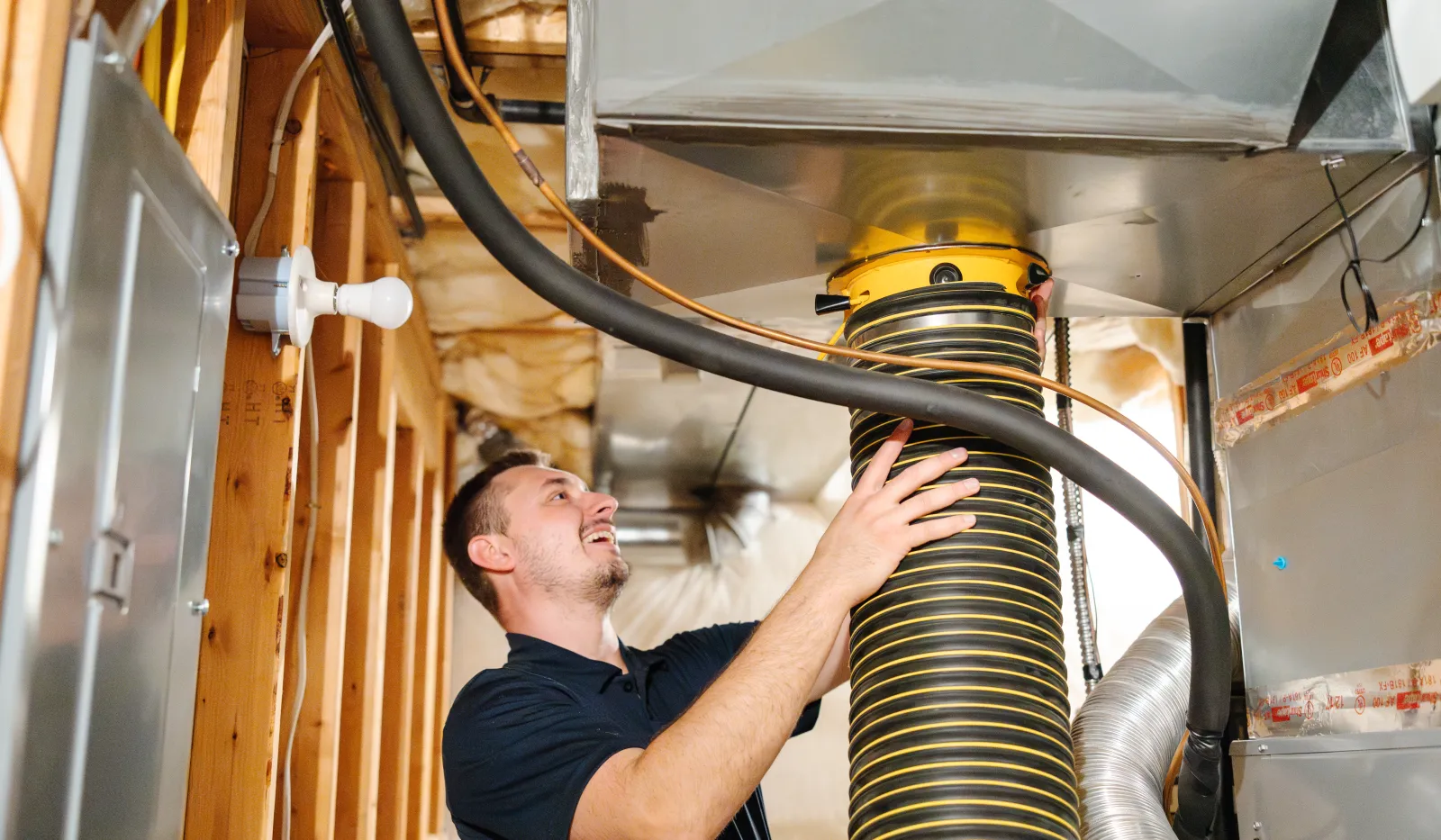
Step 2: High-Powered Vacuum Extraction
Industrial vacuum systems remove dust, debris, and mold particles.
Step 3: Mechanical Agitation Cleaning
Rotating brushes or compressed air tools loosen contamination attached to duct interiors.
Step 4: HVAC Component Cleaning
Air handlers, coils, and blower components are cleaned to prevent recontamination.
Step 5: Sanitizing and Drying
Approved treatments help eliminate contaminants while drying methods remove remaining moisture.
Step 6: Final Inspection
Technicians confirm airflow and cleanliness before system operation resumes.
Connection Between Water Damage Restoration and Duct Cleaning
After flooding or leaks, restoration efforts often focus on visible areas such as floors and walls. However, ignoring duct systems can allow problems to return.
Comprehensive restoration may include:
• Water extraction and structural drying
• Mold remediation
• Flooring and drywall repairs
• Air duct cleaning and sanitization
Proper restoration addresses both visible and hidden moisture.
HVAC Systems and Mold Spread
HVAC systems can spread mold spores throughout homes if ductwork remains contaminated.
Signs HVAC systems may be affected include:
• Musty smells when AC operates
• Dust accumulation near vents
• Increased indoor allergy irritation
• Persistent humidity problems
Cleaning ducts and correcting moisture sources restores clean airflow.
Preventing Future Duct Contamination
Homeowners in West Melbourne can reduce future risks with preventive maintenance.
Helpful steps include:
• Inspecting ducts after flooding or storms
• Keeping crawl spaces dry and ventilated
• Improving attic airflow
• Scheduling HVAC maintenance annually
• Replacing moisture-damaged insulation
• Using dehumidifiers when needed
Routine inspections help catch moisture problems early.
Why Local Experience Matters
Moisture behaves differently depending on climate and construction style. Professionals familiar with West Melbourne and Brevard County homes understand how storms and humidity affect duct systems.
Homeowners often rely on experienced providers like Palm Bay Mold Removal because local familiarity helps ensure accurate inspections and effective long-term solutions.
Local knowledge allows technicians to focus on root causes rather than temporary fixes.
Protecting Your Home After Water Damage
Water damage recovery does not end once surfaces appear dry. Moisture trapped inside air ducts can continue affecting indoor air quality and home comfort long afterward.
If your home experienced flooding or water intrusion, scheduling a professional duct inspection helps ensure contaminants are not circulating through your HVAC system. Proper cleaning restores airflow quality and reduces mold risks.
Acting early helps West Melbourne homeowners maintain safe, comfortable living environments while preventing future water damage complications.