
Melbourne Emergency Water Removal during Rainy Season: A Local Homeowner Guide
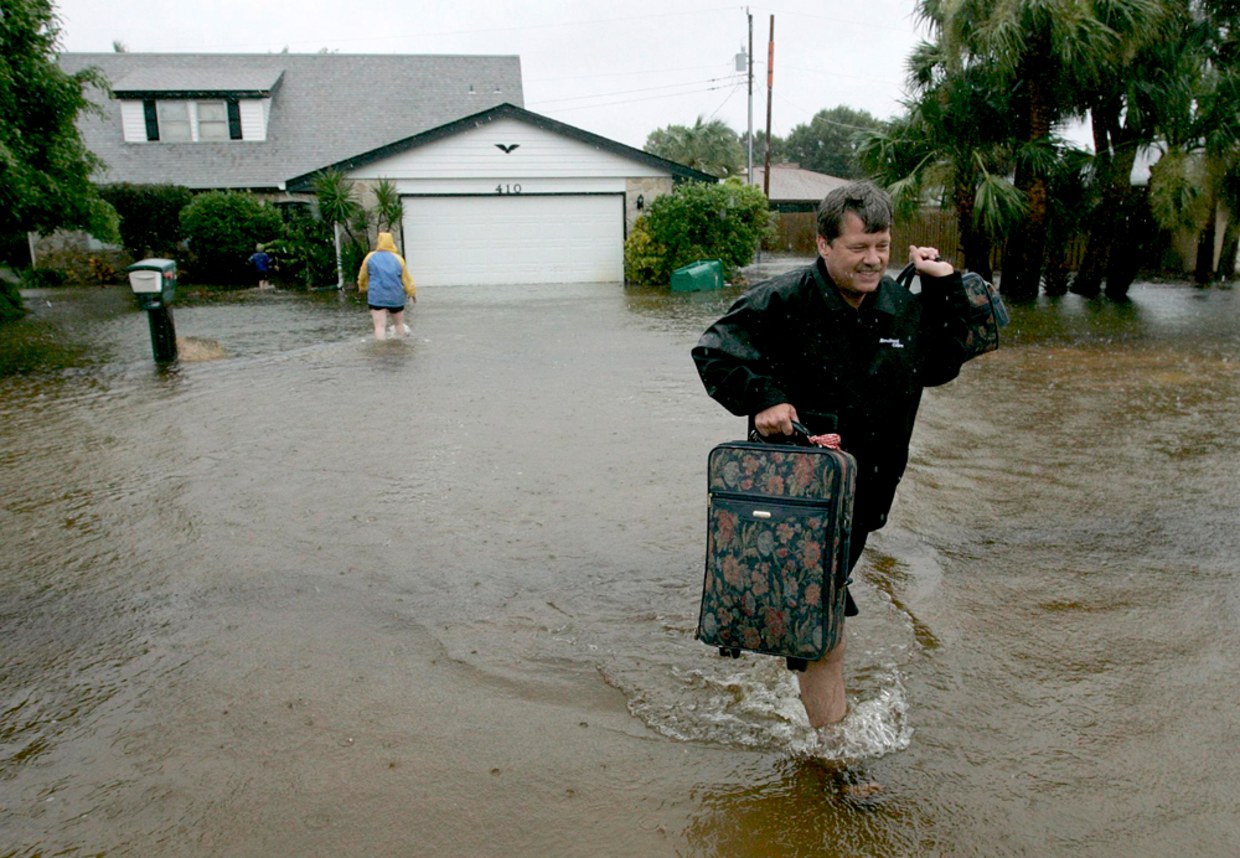
Rainy season in Melbourne brings welcome relief from heat, but it also increases the risk of unexpected water damage inside homes. Sudden downpours, tropical systems, overflowing gutters, and drainage issues often lead to indoor flooding, sometimes with little warning.
For many homeowners, the most stressful part is how quickly water spreads. Floors, walls, and belongings can be affected within minutes, and hidden moisture can cause problems long after visible water disappears.
Knowing how emergency water removal works and how to respond quickly can help homeowners minimize damage, reduce repair costs, and protect their property throughout the rainy season.
Understanding Emergency Water Removal
Emergency water removal refers to the immediate process of extracting water from a home after flooding or sudden water intrusion. The goal is to stop further damage, begin drying quickly, and prevent mold growth.
Water can enter homes during rainy season due to:
• Heavy rainfall overwhelming drainage systems
• Roof leaks during storms
• Window or door seal failures
• Clogged gutters causing water backup
• Poor exterior grading around foundations
• Flooded yards pushing water indoors
Once water enters, it begins soaking into carpets, drywall, insulation, and structural materials. Immediate removal reduces long-term damage.
Why Rainy Season Water Damage Is Common in Melbourne
Homes in Melbourne and surrounding communities such as Palm Bay, West Melbourne, Rockledge, and Satellite Beach often face seasonal water intrusion challenges.
Several local factors increase risk:
• Sudden intense rainstorms
• High humidity slowing drying
• Flat terrain causing poor drainage
• Older roofing or window systems
• Coastal weather patterns bringing extended rainfall
Homes near Merritt Island and Cocoa Beach may also experience slower drying conditions due to coastal humidity.
Even homes that rarely flood can experience leaks during unusually heavy rain.
Early Warning Signs of Water Intrusion
Rain-related water damage sometimes develops gradually, making early detection important.
Homeowners often notice:
• Water pooling near doors or windows
• Damp carpet or flooring after storms
• Ceiling stains appearing after rain
• Musty odors following storms
• Peeling paint or warped walls
• Increased indoor humidity
Ignoring these early signs can allow moisture to spread into hidden areas.
Hidden Damage That Occurs After Indoor Flooding
Water damage is not always visible. Moisture frequently travels into concealed spaces where it remains unnoticed.
Common hidden moisture areas include:
• Wall cavities behind drywall
• Insulation inside ceilings
• Under carpet padding
• Beneath tile or vinyl flooring
• Inside air ducts
• Crawl spaces or attics
Even if floors appear dry, moisture trapped beneath surfaces can lead to mold growth and structural weakening.
Why Immediate Water Removal Is Critical
The first 24 to 48 hours after flooding are crucial. Delays allow moisture to soak deeper into materials.
Problems that occur without quick removal include:
• Mold growth beginning rapidly
• Structural materials weakening
• Flooring separating or warping
• Odors developing
• Damage spreading to unaffected rooms
Fast response limits how far water travels and reduces repair costs.
Why DIY Cleanup Often Falls Short
Homeowners sometimes attempt to remove water themselves using mops, fans, or household wet vacuums. While helpful for small spills, these methods rarely handle larger water intrusion effectively.
DIY cleanup often fails because:
• Household equipment cannot remove deep moisture
• Padding and subfloors remain wet
• Humid air slows drying
• Mold begins forming unseen
Professional equipment removes water faster and dries structures more thoroughly.
How Professional Emergency Water Removal Works
Professional restoration teams use specialized equipment and structured methods to remove water and begin drying immediately.
The process typically includes:
• Rapid water extraction using high-powered pumps
• Moisture detection to map affected areas
• Removal of soaked materials when necessary
• Structural drying with industrial air movers
• Dehumidification to reduce humidity levels
• Ongoing moisture monitoring
This approach ensures hidden moisture is removed, not just surface water.
Step-by-Step Emergency Response Process
After flooding occurs, professionals follow a clear restoration sequence.
Step 1: Water Source Control
Technicians identify and stop water entry points to prevent continued intrusion.
Step 2: Rapid Water Extraction
Powerful extraction equipment removes standing water from floors and carpets.
Step 3: Damage Assessment
Moisture detection tools determine how far water has spread.
Step 4: Material Removal if Needed
Saturated materials that cannot dry properly may be removed.
Step 5: Structural Drying
Air movers and dehumidifiers remove moisture from building materials.
Step 6: Final Moisture Verification
Testing confirms safe moisture levels before repairs begin.
Mold Risks After Rainy Season Flooding
Melbourne’s warm climate makes mold growth a serious concern after water intrusion. Mold spores naturally exist indoors but grow rapidly when materials remain wet.
Conditions encouraging mold growth include:
• Warm indoor temperatures
• Persistent moisture
• Organic building materials
• Limited airflow
Flooded carpets, drywall, and insulation provide ideal environments for mold if drying is delayed.
HVAC Systems and Water Damage
Water intrusion sometimes impacts HVAC systems when moisture spreads into ductwork or air handlers.
Contaminated HVAC systems may cause:
• Musty odors when cooling runs
• Increased dust inside the home
• Uneven cooling
• Higher indoor humidity
Inspection and cleaning may be necessary if moisture affects system components.
Preventing Rainy Season Water Damage
Homeowners can reduce water intrusion risks through proactive maintenance before and during rainy season.
Helpful prevention steps include:
• Cleaning gutters regularly
• Inspecting roofs before storm season
• Sealing windows and doors properly
• Improving yard drainage away from foundations
• Checking sump pumps or drainage systems
• Monitoring indoor humidity levels
Early preparation often prevents major damage later.
Why Local Experience Matters During Emergencies
Rainfall patterns, home construction styles, and drainage conditions vary across Brevard County. Professionals familiar with Melbourne homes understand common intrusion points and drying challenges unique to the area.
Local experience allows faster response and more accurate restoration planning. Many homeowners rely on experienced providers such as Palm Bay Mold Removal because regional knowledge helps ensure effective water removal and long-term solutions without unnecessary repairs.
Local familiarity also helps technicians anticipate moisture pathways specific to Florida homes.
Acting Quickly Protects Your Home
Water intrusion during Melbourne’s rainy season can quickly become overwhelming, but fast action greatly reduces long-term damage.
Scheduling emergency water removal immediately after flooding ensures moisture is removed before mold growth and structural problems develop. Professional extraction and drying restore homes faster and prevent recurring issues.
Taking prompt action helps Melbourne homeowners keep their homes dry, safe, and comfortable throughout rainy season while protecting property value for the future.